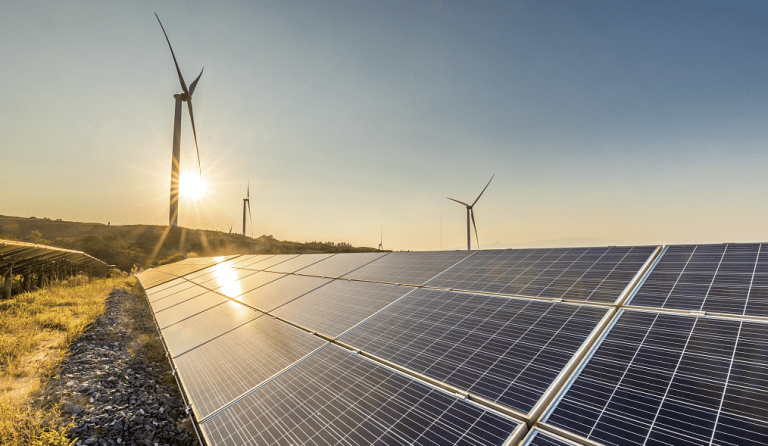
The world is not on track to meet Sustainable Development Goal 7, designed to ensure access to affordable, reliable, sustainable and modern energy for all, the United Nations and partners have warned.

A report published by the International Energy Agency (IEA), the International Renewable Energy Agency (IRENA), the United Nations Statistics Division (UNSD), the World Bank, and the World Health Organization (WHO), notes that progress is insufficient to reach the targets set forth in SDG 7 in time for the 2030 deadline, despite progress on specific elements of the drive, for example, the increased rate of using renewables in the power sector.
The goal includes reaching universal access to electricity and clean cooking, doubling historic levels of efficiency improvements, and substantially increasing the share of renewables in the global energy mix.
According to the UN, reaching the goal will have a deep and positive impact on people’s health and well-being, helping to protect them from environmental and social risks such as air pollution, and expanding access to primary health care and services.
IRENA estimates show that international public financial flows in support of clean energy in low and middle-income countries have been decreasing since before the COVID-19 pandemic and funding is limited to a small number of countries.
The UN and its partners in the report pointed out that in order to meet SDG 7 targets, it is going to be necessary to structurally reform international public finance and define new opportunities to unlock investments.
The report also finds that mounting debt and rising energy prices are worsening the outlook for reaching universal access to clean cooking and electricity.
According to the UN, current projections estimate that 1.9 billion people will be without clean cooking facilities, and 660 million without electricity access in 2030 if the status quo continues.
The report noted that such gaps will negatively impact the health of the world’s most vulnerable populations and accelerate climate change.
“We must protect the next generation by acting now. Investing in clean and renewable solutions to support universal energy access is how we can make real change. Clean cooking technologies in homes and reliable electricity in healthcare facilities, can play a crucial role in protecting the health of our most vulnerable populations.,” said the WHO Director-General Tedros Adhanom Ghebreyesus.
On his part, Stefan Schweinfest, of the UN Statistics Division affirmed that in order to reach universal access by 2030, the development community must scale up clean energy investments and policy support.
Invest or Donate towards HICGI New Agency Global Media Establishment – Watch video here
Email: editorial@hicginewsagency.com TalkBusiness@hicginewsagency.com WhatsApp +256713137566
Invest or Donate towards HICGI New Agency Global Media Estab lishment – Watch video here
Follow us on Social Media , just type “HICGI News Agency”
 HICGI News Agency