
By HICGI Staff – Updated at 1:05 EAT on Monday 26th Feb 2024
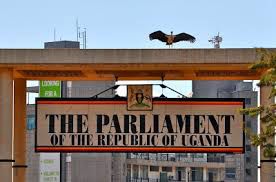
Recruitment processes at Parliament are meant to uphold integrity, transparency, and meritocracy. However, recent revelations by Jim Spire, who was invited to participate in the interview panel for Parliament Research Officers, paint a troubling picture of corruption and nepotism undermining this crucial process.

Spire recounts his firsthand experience of being part of an interview panel chaired by Dr. Baryomunsi the Minister of ICT & National Guidance, where he observed blatant irregularities and favoritism. One of the most alarming instances was the presence of a relative of the chair among the applicants, raising serious concerns about conflict of interest.
Despite the applicant’s inability to demonstrate even basic research skills and having low grades on their transcript, they were shockingly awarded high scores in the interview process. Spire’s suggestion for the chair to recuse himself from the panel due to the conflict of interest was met with a dismissive response, indicating a disregard for ethical standards.
Another troubling revelation was the preferential treatment given to candidates with political connections. Spire highlights the case of a candidate who was a relative of the Speaker at the time, Hon. Kadaga, and despite their lackluster performance and academic shortcomings, they were inexplicably awarded high scores.
What’s particularly distressing is the apparent disregard for merit and excellence in the recruitment process. Candidates with exemplary academic records and impressive performance during the interview were overlooked in favor of less qualified individuals with political affiliations.
Spire’s decision to excuse himself from future recruitment panels underscores the pervasive nature of corruption and nepotism in parliamentary recruitment processes. The consequences of such malpractices extend beyond the recruitment phase, impacting the quality of services delivered by parliamentary staff and undermining public trust in the institution.
The revelations made by Spire serve as a wake-up call for Parliament to urgently address systemic issues plaguing its recruitment processes. Transparent and merit-based recruitment practices are essential for upholding the integrity and credibility of parliamentary institutions and ensuring that they serve the best interests of the public.
It is imperative that corrective measures are taken to root out corruption, nepotism, and favoritism from parliamentary recruitment processes. Only then can Parliament fulfill its mandate effectively and regain the trust and confidence of the citizens it serves.
Do you have a story in your community or an opinion to share with us: Email us at editorial@hicgieditorial.com
 HICGI News Agency