
By Makana Kennedy Ndyamuhaki – Updated at 12:48 EAT on Monday 5th March 2024
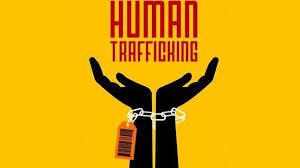
In the serene and picturesque landscape of Kalangala District, nestled amidst the tranquil waters of Lake Victoria, lies a dark and sinister reality: the clandestine world of human trafficking. Our investigative team delves deep into the underbelly of this idyllic region, uncovering a network of exploitation and abuse that preys on the most vulnerable members of society.
Our journey begins with whispers and rumors, stories of individuals lured by the promise of better opportunities, only to find themselves ensnared in a web of deceit and coercion. As we dig deeper, we encounter a disturbing pattern of trafficking, with victims often tricked or forced into labor or sexual exploitation under the guise of legitimate employment or education opportunities.
One of the most prevalent forms of trafficking in Kalangala District is the exploitation of young girls and women in the commercial sex industry. Many are lured with promises of well-paying jobs in the city or abroad, only to find themselves trapped in brothels and bars, subjected to physical and sexual violence, and stripped of their dignity and autonomy.
But it’s not just women and girls who fall victim to trafficking in Kalangala. Our investigation uncovers cases of men and boys being trafficked for forced labor, often in industries such as fishing, agriculture, and construction. Many are subjected to grueling working conditions, meager wages, and physical abuse, with little hope of escape or recourse.
The root causes of human trafficking in Kalangala are complex and multifaceted, stemming from a combination of poverty, lack of education and employment opportunities, and social inequality. Additionally, the region’s geographical isolation and limited access to law enforcement and support services exacerbate the problem, creating an environment ripe for exploitation and impunity.
Despite the pervasive nature of trafficking in Kalangala, efforts to combat the problem remain woefully inadequate. Law enforcement agencies lack the resources and training to effectively investigate and prosecute cases of trafficking, while victims face significant barriers to seeking help and support.
As our investigation draws to a close, we are left with a sobering realization: human trafficking thrives in the shadows of society, preying on the most vulnerable and marginalized members of our communities. But with awareness, advocacy, and collective action, we can shine a light on this hidden epidemic and work towards a future where every individual is free from the shackles of exploitation and abuse.u
Do you have a story in your community or an opinion to share with us: Email us at editorial@hicgieditorial.com
 HICGI News Agency