
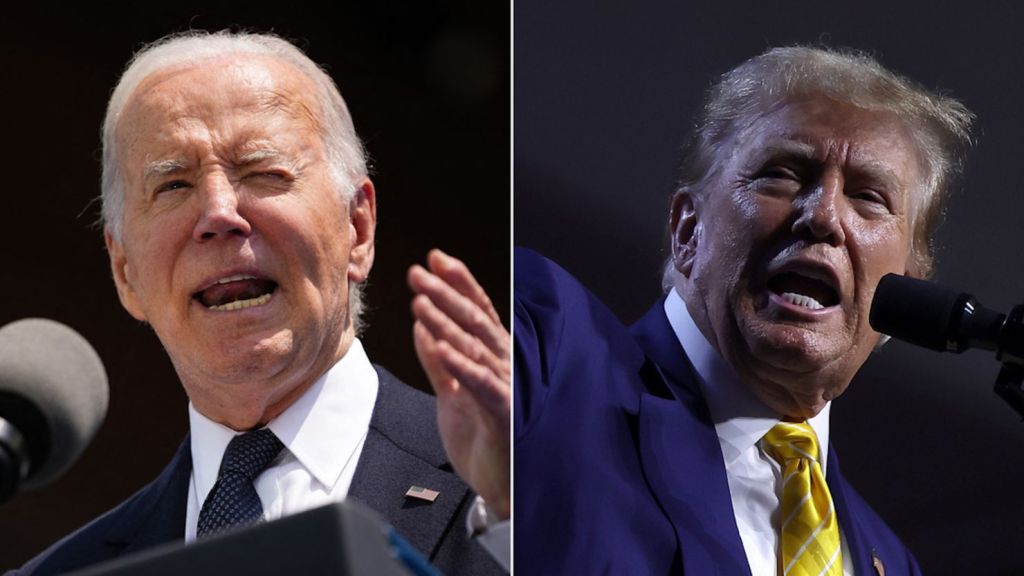
In a pointed critique of a recent court decision, President Joe Biden has expressed concerns that the ruling undermines the fundamental principles of the rule of law. The decision in question involved former President Donald Trump and his financial records, marking a pivotal moment in ongoing legal battles over executive privilege and transparency.
The ruling, handed down by a federal appeals court, overturned a lower court’s decision that Trump could not shield his records from the House committee investigating the January 6th Capitol riot. This development has sparked a heated debate over the limits of executive power and congressional oversight.

President Biden, addressing reporters at the White House, emphasized the importance of upholding the rule of law and ensuring accountability at all levels of government. “This decision sets a dangerous precedent,” Biden remarked, adding that it could “erode the checks and balances crucial to our democracy.”
The legal battle stems from efforts by the House committee to obtain a trove of documents related to Trump’s actions before and during the January 6th insurrection. The committee argues that these records are vital to understanding the events leading up to the riot and to conducting a thorough investigation into its causes.
Trump, for his part, has consistently sought to block the release of these records, citing executive privilege and claiming that the committee’s requests are politically motivated. His legal team has vowed to continue fighting the committee’s efforts through all available legal channels.
Meanwhile, critics of the appeals court’s decision argue that it could set a precedent allowing future presidents to evade scrutiny by withholding crucial documents from congressional oversight. They warn that such a scenario could weaken the ability of Congress to hold the executive branch accountable, which is a cornerstone of the United States’ system of checks and balances.
The implications of this ruling extend beyond the immediate case involving Trump’s records, as it raises broader questions about the balance of power between the branches of government and the extent of presidential authority.
In response to Biden’s comments, supporters of the court’s decision argue that it upholds the principle of executive privilege and protects the confidentiality of presidential communications. They contend that these protections are essential for presidents to receive candid advice from advisors without fear of public disclosure.
As the legal battle continues to unfold, all eyes are on the Supreme Court, which may ultimately decide the fate of Trump’s financial records and the broader implications for executive privilege and congressional oversight. The outcome of this case could have far-reaching consequences for the future of governance in the United States.
 HICGI News Agency