
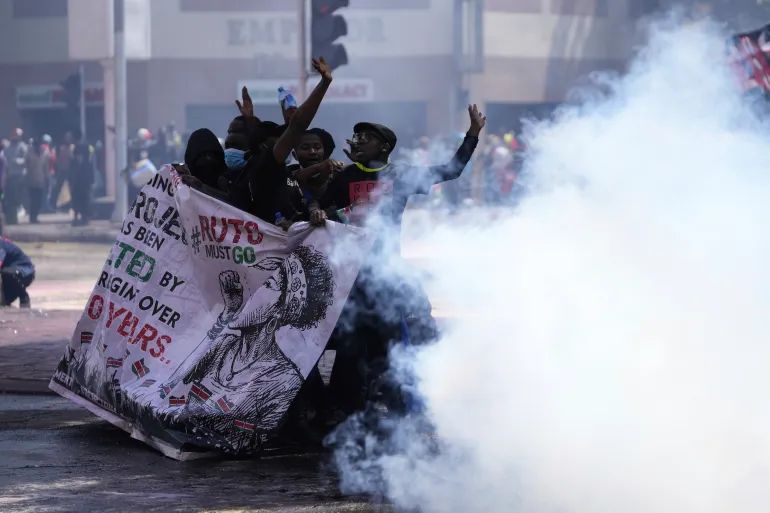
In recent months, Kenya has found itself grappling with a severe economic crisis exacerbated by conditions tied to International Monetary Fund (IMF) loans and the mounting burden of foreign debt. This predicament has triggered widespread concern among economists and policymakers, who warn of potential long-term repercussions if decisive action is not taken.
IMF Loan Conditions and Economic Impact
The heart of Kenya’s economic woes lies in the stringent conditions attached to the IMF’s financial assistance. In mid-2022, Kenya secured a $2.4 billion loan from the IMF under its Extended Fund Facility (EFF) program. This loan was intended to support the country’s economic recovery efforts in the wake of the COVID-19 pandemic and to address fiscal imbalances. However, the IMF’s conditions include austerity measures such as fiscal consolidation, which have proven challenging to implement amidst ongoing economic fragility.
Fiscal Challenges and Social Impact
Kenya’s fiscal challenges are compounded by a history of corruption, inefficiencies in public spending, and a lack of sufficient revenue generation. The IMF’s insistence on fiscal austerity measures, including cuts in public spending and increased taxes, has sparked public outcry and exacerbated socio-economic inequalities. Many Kenyans, especially those in vulnerable communities, are feeling the pinch of reduced government services and increased living costs.
Escalating Foreign Debt Burden
Another critical factor contributing to Kenya’s economic crisis is its escalating foreign debt burden. Over the past decade, Kenya has significantly increased its borrowing from international markets and institutions to fund infrastructure projects and cover budget deficits. However, the sustainability of this debt has come into question, particularly as repayment obligations mount and fiscal revenues remain inadequate.
As of the latest reports, Kenya’s total public debt stands at approximately 70% of its Gross Domestic Product (GDP), a figure that continues to rise despite efforts to curb borrowing. The high cost of servicing this debt has diverted resources away from essential public services and investment in productive sectors, further hindering economic growth and exacerbating poverty levels.
Calls for Structural Reforms and Economic Resilience
In response to these challenges, economists and civil society groups are urging the Kenyan government to prioritize structural reforms aimed at enhancing fiscal discipline, improving governance, and fostering sustainable economic growth. Key recommendations include strengthening revenue mobilization through tax reforms, enhancing transparency in public finance management, and prioritizing investments in sectors that promote inclusive growth and job creation.
Moreover, there is a growing consensus on the need for Kenya to diversify its sources of funding and reduce reliance on external borrowing. This involves exploring alternative financing mechanisms, promoting private sector investment, and fostering partnerships that can support economic resilience and sustainable development.
As Kenya navigates through this economic turmoil, the path forward remains fraught with challenges but also opportunities for reform and recovery. The government’s ability to navigate the complexities of IMF loan conditions, manage its foreign debt responsibly, and implement robust structural reforms will be crucial in determining the country’s economic trajectory in the coming years. With concerted efforts and prudent policies, Kenya can aspire to build a more resilient and inclusive economy that benefits all its citizens.
 HICGI News Agency