
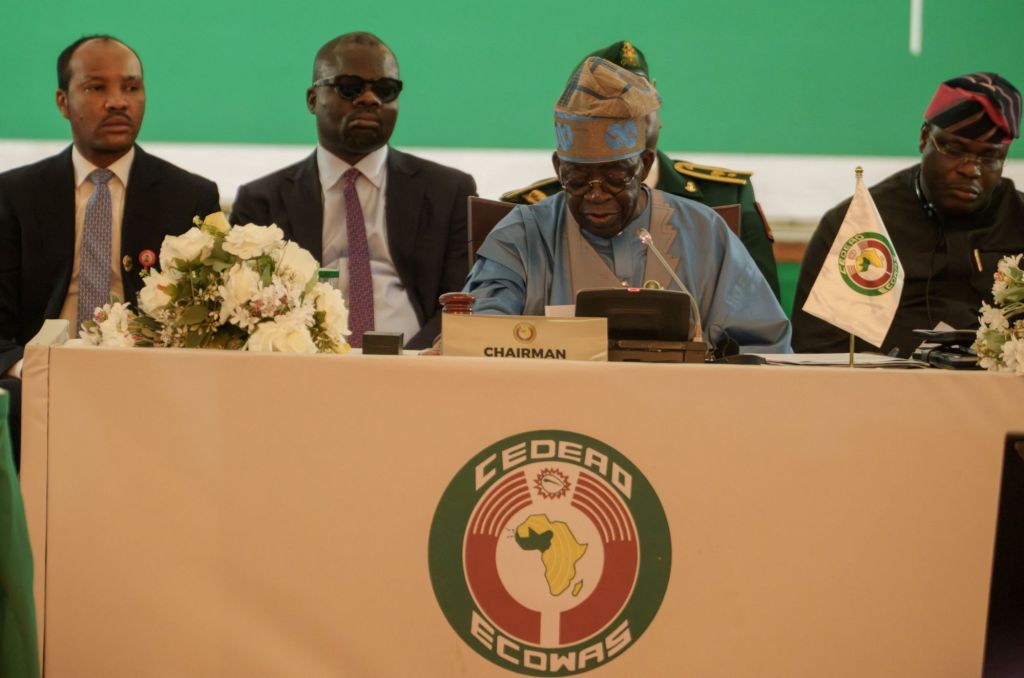
In a dramatic turn of events that threatens to undermine regional stability, the Economic Community of West African States (ECOWAS) is at risk of disintegration following announcements from several member states that they intend to withdraw from the organization. The declaration comes in response to ECOWAS’s stringent sanctions imposed on Guinea and Mali after recent military coups in both countries.
The turmoil began when Guinea experienced a military coup led by Colonel Mamady Doumbouya, which ousted President Alpha Condé from power. Subsequently, in neighboring Mali, Colonel Assimi Goïta seized control in a similar fashion, marking the second military takeover in just nine months.
ECOWAS swiftly responded by imposing economic sanctions on both nations, including border closures and suspensions of financial transactions. These measures were intended to pressure the military juntas into restoring civilian rule and maintaining democratic principles in accordance with ECOWAS protocols.
However, the punitive actions have sparked a backlash among the military leaders in Guinea and Mali. Colonel Doumbouya of Guinea openly criticized ECOWAS, labeling its sanctions as unjust and accusing the organization of meddling in national affairs. Similarly, Colonel Goïta of Mali expressed dismay over what he perceived as undue interference in his country’s sovereignty.
In a joint statement issued from Conakry and Bamako, the capitals of Guinea and Mali respectively, the military leaders declared their intention to withdraw from ECOWAS if the sanctions are not immediately lifted. They argued that the organization’s actions were contrary to the principles of non-interference in internal affairs, a core tenet of international relations.
The threat of withdrawal by Guinea and Mali has sent shockwaves throughout the West African region. ECOWAS, established in 1975 to foster economic integration and political stability among its member states, has been a cornerstone of regional cooperation. The potential disintegration of the bloc would not only jeopardize decades of diplomatic efforts but also raise concerns about the future of democracy and governance in the region.
The international community has expressed deep concern over the escalating crisis. The United Nations and various African Union (AU) member states have called for dialogue and reconciliation, urging ECOWAS and the military leaders to find a peaceful resolution to avoid further instability.
Meanwhile, citizens in Guinea and Mali have taken to the streets in both support and opposition to the military takeovers and ECOWAS sanctions. Protests have erupted, with demonstrators demanding a return to civilian rule and the restoration of democratic processes.
As tensions continue to escalate, all eyes are now on ECOWAS to navigate this critical juncture in its history. The organization faces the daunting task of balancing its commitment to democratic governance with the realities of political instability and military intervention in member states. The outcome of this crisis could reshape the geopolitical landscape of West Africa for years to come.
 HICGI News Agency