
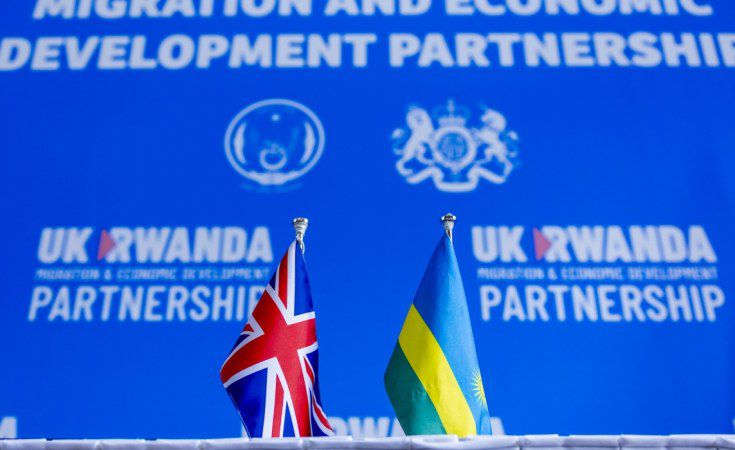
In a recent development concerning the UK-Rwanda migrant deal, it has come to light that the agreement did not explicitly require Rwanda to return funds paid by the UK government. This revelation has sparked controversy and raised questions about the transparency and accountability of such international agreements.
The UK-Rwanda migrant deal, signed in 2015, was aimed at addressing the issue of illegal migration from Rwanda to the United Kingdom. Under the terms of the agreement, the UK pledged financial support to Rwanda to assist in the resettlement of migrants. However, recent investigations have shown that the agreement did not include specific clauses mandating the return of unused funds if they were not fully utilized for their intended purpose.
Critics of the deal argue that this oversight could potentially lead to misuse of funds or lack of accountability, as there is no mechanism in place to ensure that the money allocated for migrant resettlement is effectively spent. The lack of a requirement for fund return also raises concerns about the management of taxpayer money and the UK government’s oversight of international aid programs.
In response to inquiries about the deal, both UK and Rwandan officials have acknowledged the existence of the agreement but have not provided detailed comments on the specific terms regarding fund utilization and accountability. This has further fueled calls for greater transparency and scrutiny of international agreements involving financial transactions between governments.
The controversy surrounding the UK-Rwanda migrant deal underscores broader concerns about the management of international aid and cooperation on migration issues. As governments continue to grapple with the complexities of global migration, ensuring accountability and transparency in agreements such as these remains a crucial challenge.
Moving forward, stakeholders are calling for clearer guidelines and stricter oversight mechanisms to prevent potential misuse of funds and ensure that taxpayer money is used effectively to address the underlying causes of migration and support affected communities.
The UK government has indicated that it is reviewing its approach to international aid and migration partnerships in light of these developments, emphasizing the importance of learning lessons from past agreements to inform future policies and practices.
Overall, the revelation that the UK-Rwanda migrant deal did not stipulate the return of funds has sparked significant debate and raised important questions about the accountability and effectiveness of international agreements in addressing complex global challenges.
 HICGI News Agency