
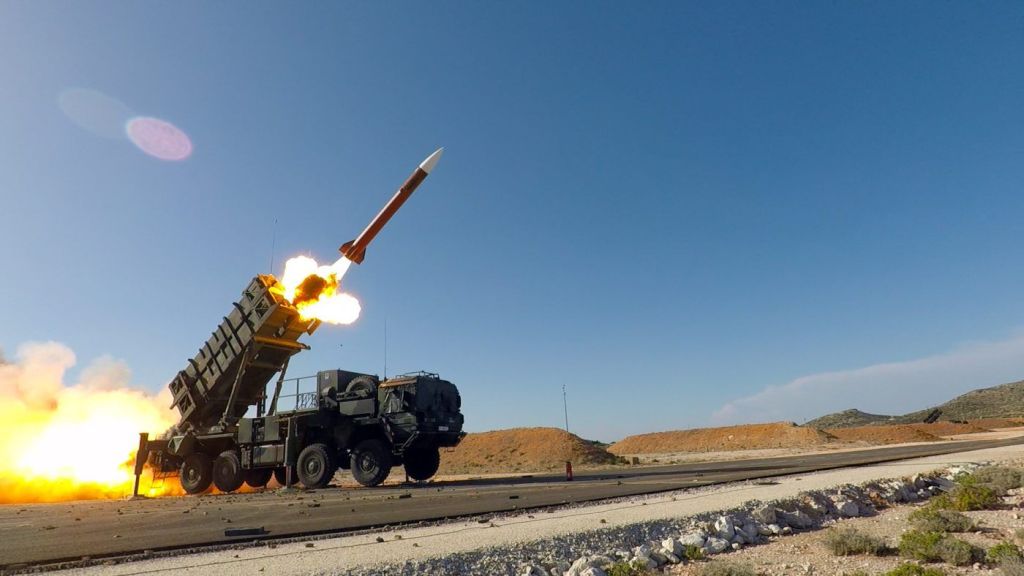
In a bold and unprecedented move amid escalating tensions in Eastern Europe, Poland is contemplating the drastic step of downing Russian missiles aimed at Ukraine, according to sources within the Polish government. The decision comes as Russian forces continue their military buildup along the Ukrainian border, raising fears of a potential large-scale invasion.
The Polish government, led by Prime Minister Mateusz Morawiecki, has been vocal in its support for Ukraine, condemning what it describes as Russian aggression and violations of Ukrainian sovereignty. With diplomatic efforts appearing increasingly futile, Poland now faces a critical decision regarding its defense posture and potential direct involvement in the conflict.

Sources close to the Polish defense establishment indicate that discussions about intercepting Russian missiles, particularly those aimed at Ukrainian targets, have been intensifying in recent days. The move, if implemented, would mark a significant escalation in Poland’s role in the ongoing crisis and could provoke direct confrontation with Russia.
The United States and several European Union member states have expressed cautious support for Poland’s position, emphasizing the right to self-defense and the protection of international norms against aggression. However, they have also urged restraint and continued efforts towards a diplomatic resolution.
In response to Poland’s deliberations, Russia has issued stern warnings, accusing Warsaw of destabilizing the region and threatening severe consequences for any interference with its military operations. Russian officials have reiterated their stance that their actions are aimed at protecting Russian-speaking populations in eastern Ukraine and countering what they perceive as NATO’s encroachment on their borders.
The situation remains fluid, with heightened military activities on both sides of the Ukrainian border. Ukrainian President Volodymyr Zelenskyy has appealed for international support and called on Russia to de-escalate tensions, warning of the catastrophic humanitarian consequences of a full-scale invasion.
Meanwhile, Polish citizens and residents near the Ukrainian border are preparing for potential fallout from increased hostilities, with authorities initiating emergency response plans and bolstering defenses. The prospect of Poland intercepting Russian missiles adds a new dimension to an already volatile crisis, posing significant geopolitical implications for the broader region and beyond.
As the world watches closely, the coming days will be critical in determining whether Poland follows through on its threat and how Russia and its allies respond to this unprecedented challenge to their military operations in Ukraine. Diplomatic channels remain open, but the specter of direct military confrontation looms large, casting a shadow of uncertainty over Eastern Europe’s fragile peace.
 HICGI News Agency