
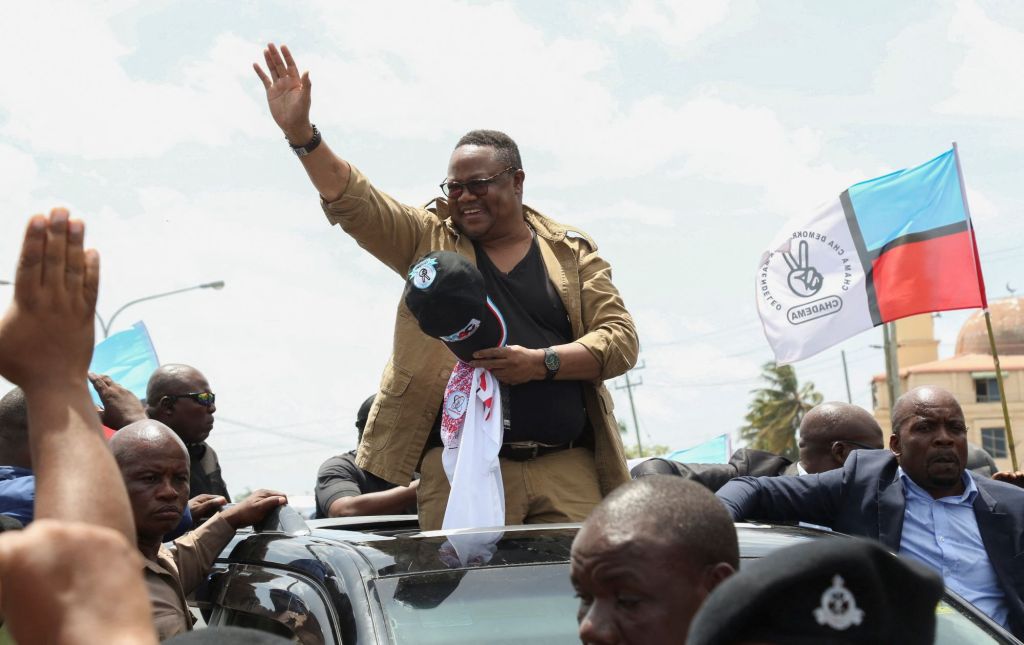
In a significant crackdown on dissent, Tanzanian police have detained 14 members of the main opposition party, Chadema, including its chairman, Freeman Mbowe.
The arrests occurred as authorities sought to prevent a banned demonstration in Dar es Salaam. Chadema had planned the protests to voice concerns over recent alleged killings and abductions of opposition officials.

Freeman Mbowe was taken into custody while preparing to lead what he described as a “peaceful protest.” Meanwhile, police also arrested Tundu Lissu, the party’s deputy leader, after surrounding his home with a convoy of 11 vehicles. These actions have raised alarms among critics, who fear a return to the repressive tactics reminiscent of former President John Magufuli’s administration.
President Samia Suluhu Hassan had advised against demonstrations, stating that her government would not tolerate actions that threaten law and order. In response, Chadema vowed to defy the ban, with Mbowe declaring that opposition leaders must “show the way” despite the risks.
Reports indicate that police have also targeted journalists covering the protests, detaining them as tensions escalated. Prior to the planned demonstration, riot police were deployed across key areas of Dar es Salaam, blocking access to the homes of opposition leaders and questioning residents about their intentions to participate.
The recent detentions and heightened police presence raise concerns about the state of political freedom in Tanzania. Although President Samia lifted a ban on opposition gatherings last year and pledged to foster competitive politics, these recent developments suggest a troubling shift away from her earlier commitments.
Rights groups are particularly wary, fearing that the government’s actions are aimed at intimidating political opponents ahead of local elections scheduled for November and the general election in October 2025.
As the situation unfolds, the international community is closely monitoring Tanzania’s political climate. Observers are concerned that the government’s heavy-handed response to peaceful protests could undermine the democratic process and further restrict civil liberties.
Activists are calling for solidarity and support for the detained opposition leaders, emphasizing the importance of protecting democratic rights in the face of increasing repression. The coming weeks will be crucial in determining whether the current administration will uphold its promises of political openness or revert to more authoritarian measures.
 HICGI News Agency