
By Earnest Kivumbi Benjamin – updated at 1620 EAT on Tuesday 3rd December 2024
Riyadh, Saudi Arabia- The 16th session of the Conference of the Parties (COP 16) of the United Nations Convention to Combat Desertification (UNCCD) opened in Riyadh, Saudi Arabia and will run up toto 13 December 2024 with a Theme: “Our Land, Our Future”
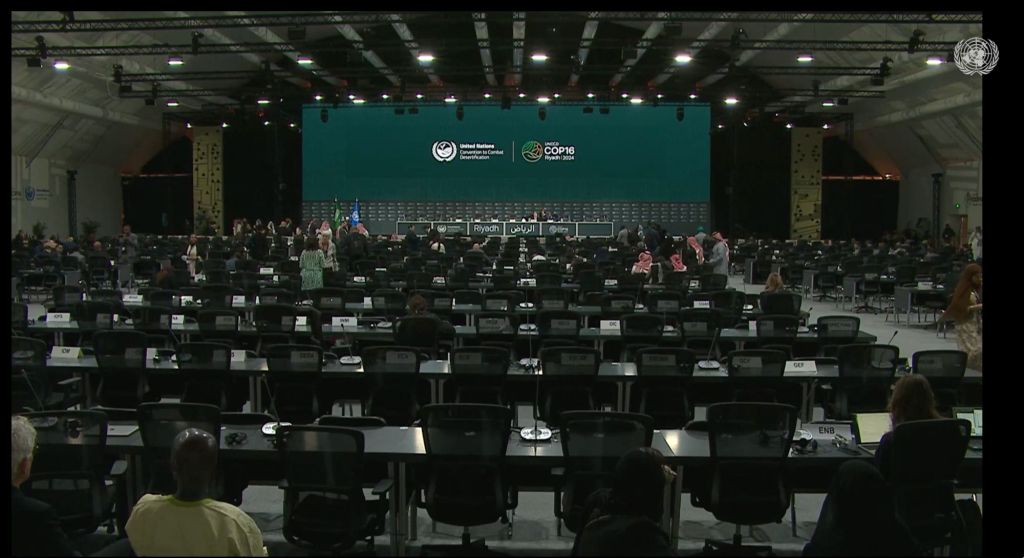
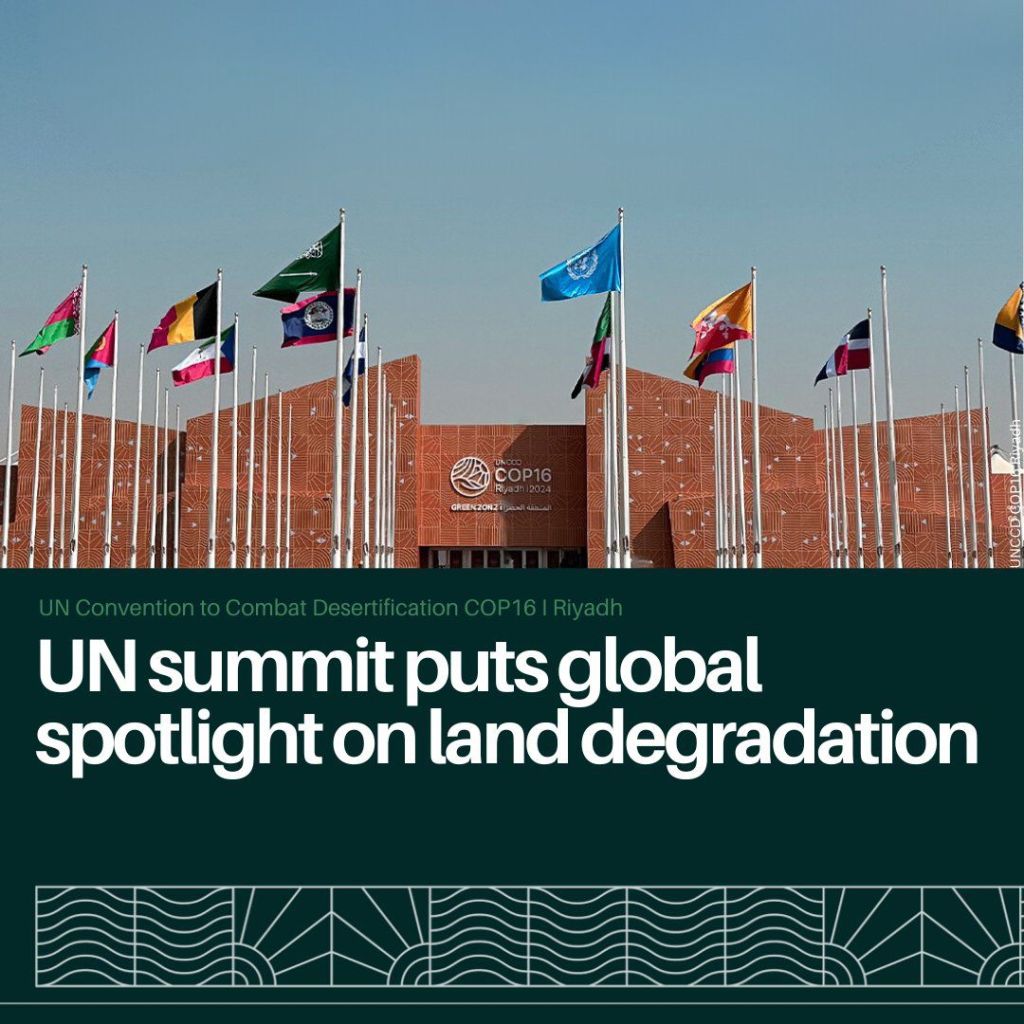
The COP is the main decision-making body of UNCCD’s 197 Parties – 196 countries and the European Union.
UNCCD, the global voice for land, is one of three major UN treaties known as the Rio Conventions, alongside climate and biodiversity, which recently concluded their COP meetings in Baku, Azerbaijan and Cali, Colombia respectively.
Coinciding with the 30th anniversary of UNCCD, COP 16 is the largest UN land conference to date, and the first UNCCD COP held in the Middle East and North Africa region, which knows first-hand the impacts of desertification, land degradation and drought.
COP 16 marks a renewed global commitment to accelerate investment and action to restore land and boost drought resilience for the benefit of people and planet.
At the opening was a Press Conference and launch of a Special Report on Land by Johan Rockström, Director, Potsdam Institute for Climate Impact Research (PIK)
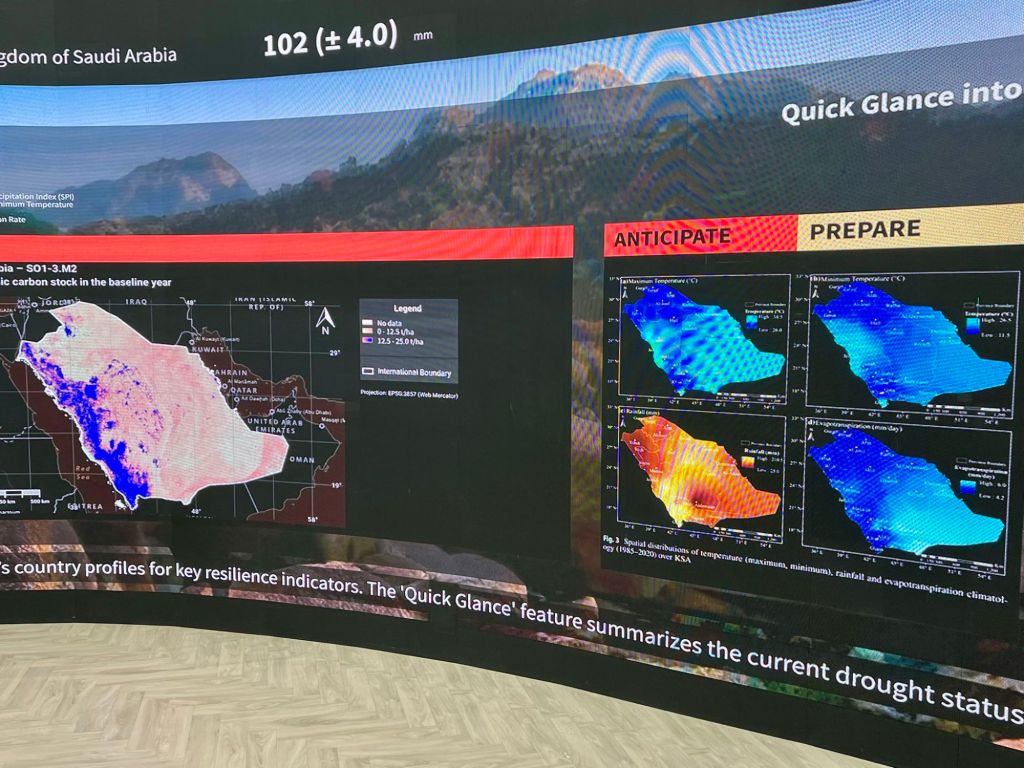
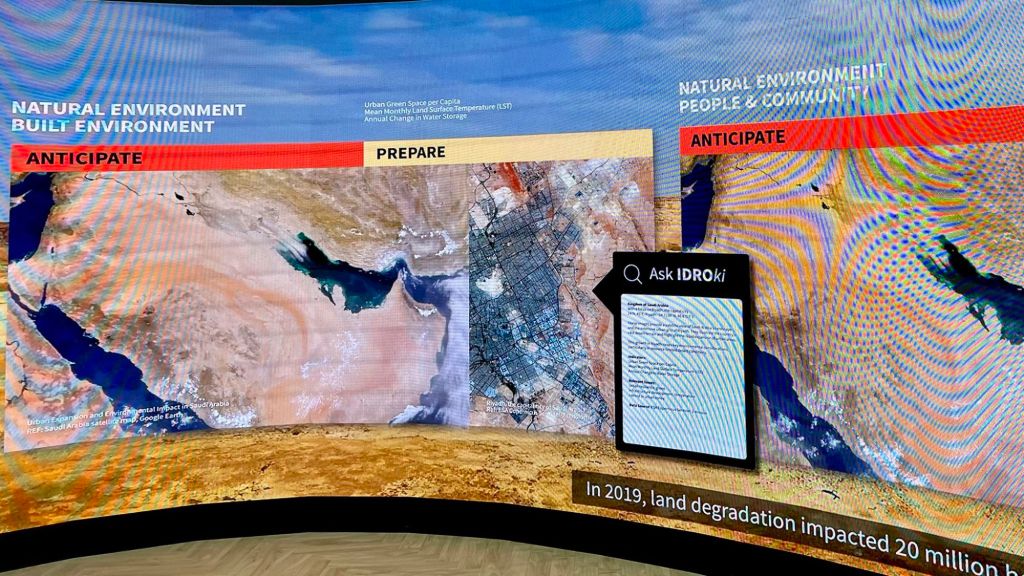
Another launch was the Riyadh Global Drought Resilience Partnership launch and International Drought Resilience Observatory launch as well as the Global Drought Atlas launch.
On Tuesday a Report is being launched Investing in Land’s Future: Assessing Financing Needs for Land Restoration and Drought Resilience.
There was also Ministerial dialogues on Policy instruments for proactive drought management, Unlocking public and private finance for land restoration and drought resilience and impacts of land degradation and drought on forced migration, security and prosperity.
Confronting the global crisis of land degradation
A major new scientific report charts an urgent course correction for how the world grows food and uses land in order to avoid irretrievably compromising Earth’s capacity to support human and environmental well-being.
Produced under the leadership of Prof. Dr. Johan Rockström at the Potsdam Institute for Climate Impact Research (PIK) in collaboration with the UN Convention to Combat Desertification (UNCCD), the report is launched as nearly 200 UNCCD member states begin their COP16 summit on Monday in Riyadh, Saudi Arabia.

Land is the foundation of Earth’s stability, the report underlines. It regulates climate, preserves biodiversity, maintains freshwater systems and provides life-giving resources including food, water and raw materials. The report, Stepping back from the precipice: Transforming land management to stay within planetary boundaries, draws on roughly 350 information sources(*) to examine land degradation and opportunities to act from a planetary boundaries perspective.
Deforestation, urbanization and unsustainable farming, however, are causing global land degradation at an unprecedented scale, threatening not only different Earth system components but human survival itself.
Moreover, the deterioration of forests and soils undermines Earth’s capacity to cope with the climate and biodiversity crises, which in turn accelerate land degradation in a vicious, downward cycle of impacts.
“If we fail to acknowledge the pivotal role of land and take appropriate action, the consequences will ripple through every aspect of life and extend well into the future, intensifying difficulties for future generations,” said UNCCD Executive Secretary Ibrahim Thiaw.
Already today, land degradation disrupts food security, drives migration, and fuels conflicts.
The global area impacted by land degradation – approx. 15 million km², more than the entire continent of Antarctica or nearly the size of Russia – is expanding each year by about a million square km.
- 80%: Agriculture’s contribution to global deforestation; 70% of freshwater use.
- 23%: Greenhouse gas emissions stemming from agriculture, forestry, and land use.
- 50% vs. 6%: Share of agricultural emissions from deforestation in lower-income vs. higher-income countries.
- 46% / 66%: Fertilizer efficiency for nitrogen and phosphorus; the rest runs off with dire consequences.
- 2,700+: National policies addressing nitrogen pollution while phosphorus is largely overlooked.
- 10%: World’s arable land planted with genetically modified crops by 2018—dominated by soy (78%), cotton (76%), and maize (30%).
- 11,700 years: Length of the Holocene period, during which Earth’s temperature varied within a narrow 0.5°C range—until a 1.3°C rise since the mid-19th century.
- 1/3: Anthropogenic CO2 absorbed by land ecosystems annually.
- 25%: Share of global biodiversity found in soil.
- 20%: Decline in trees’ and soil’s CO2 absorption capacity since 2015 attributed to climate change.
- 3%: Freshwater share of Earth’s water, mostly locked in ice caps and groundwater.
- 50%+: World’s major rivers disrupted by dam construction.
- 47%: Aquifers being depleted faster than they replenish.
- 1 billion: People with insecure land rights, fearing loss of home or land (e.g., 28% in MENA, 26% in sub-Saharan Africa).
- 1 in 5: People worldwide who paid bribes for land services in 2019—rising to 1 in 2 in sub-Saharan Africa.
- $500B+ (2013–2018): Agricultural subsidies across 88 countries, 90% of which fueled inefficient, harmful practices.
- $200B/year: Public and private finance for nature-based solutions, dwarfed by $7 trillion/year financing environmental harm
- 145: nations that pledged in 2021 to halt deforestation by 2030; forest loss has since continued.
Invest or Donate towards HICGI New Agency Global Media Establishment – Watch video here
Email: editorial@hicginewsagency.com TalkBusiness@hicginewsagency.com WhatsApp +256713137566
Follow us on all social media, type “HICGI News Agency” .
 HICGI News Agency