
By Barbara Faith N Ruhinda – Updated at 1325 EAT on 18th April 2025
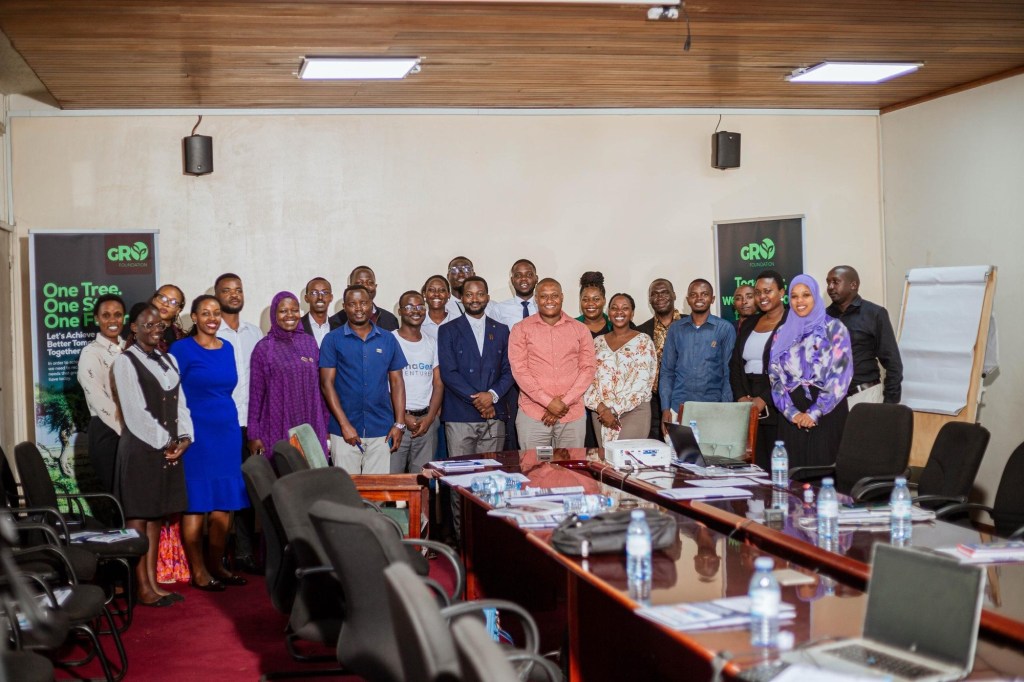
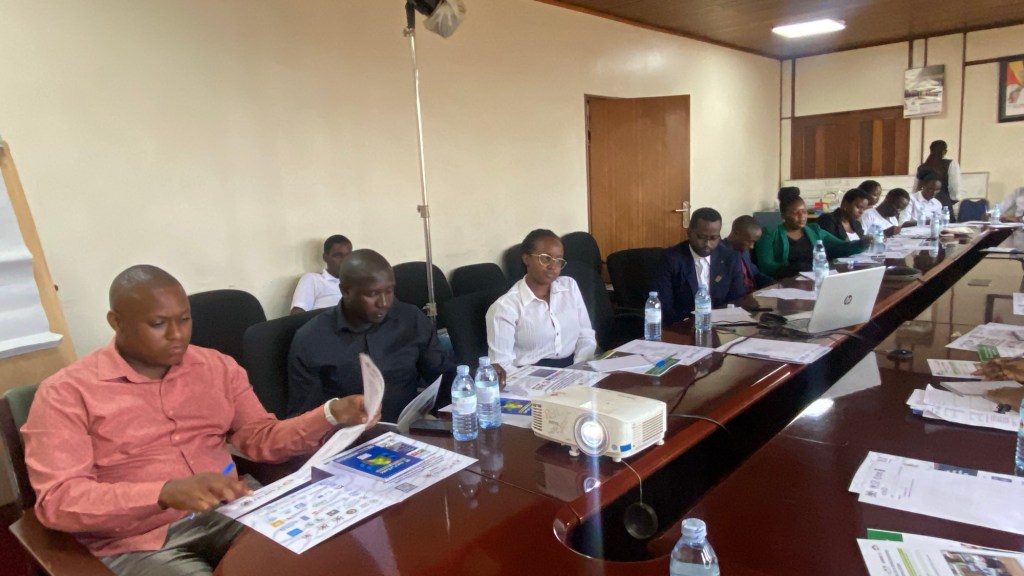
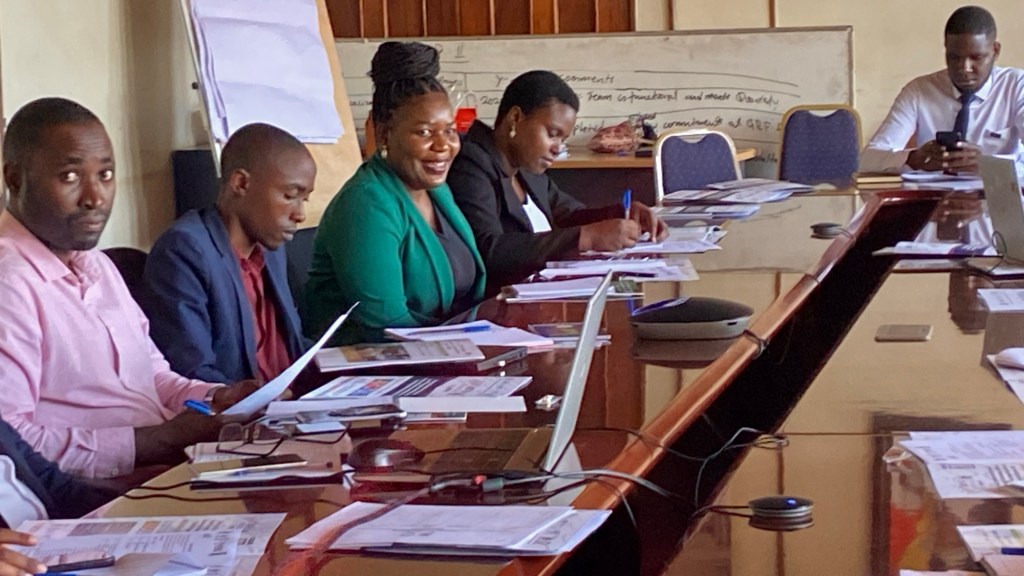
KAMPALA- On Thursday, the United Nations Economic and Social Council (ECOSOC) Youth Forum powered a high-level Side Event at the Office of the Prime Minister of Uganda, focusing on “Unlocking Alternative Financing and Capital Raising Mechanisms for the Sustainable Development Goals (SDGs) in Africa.”
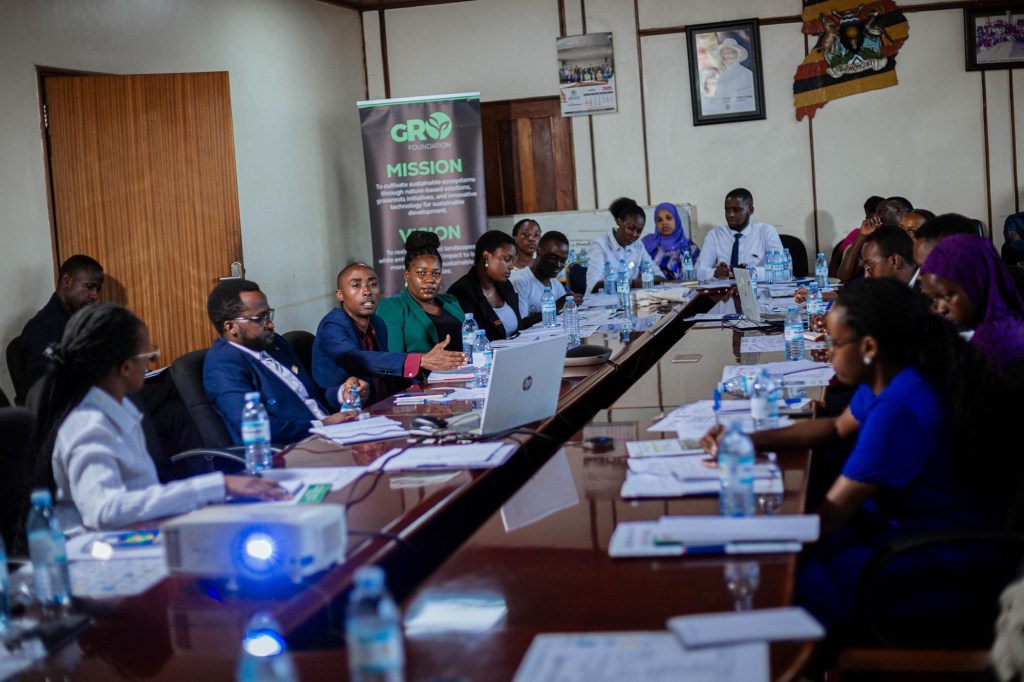
The Side Event was a collaborative initiative organized by ECOSOC in partnership with the Government of Uganda, UNDP, Gro Foundation, and Heal The Planet Global Organisation (HTP).
According to Laban Musinguzi, Executive Director of Gro Foundation, the event served as a vital platform for robust dialogue on alternative financing solutions to bridge the SDG funding gap in Africa. “This Side Event brought together key stakeholders to foster innovative solutions and forge strategic partnerships that will advance the implementation of the SDGs across the continent,” Musinguzi noted.
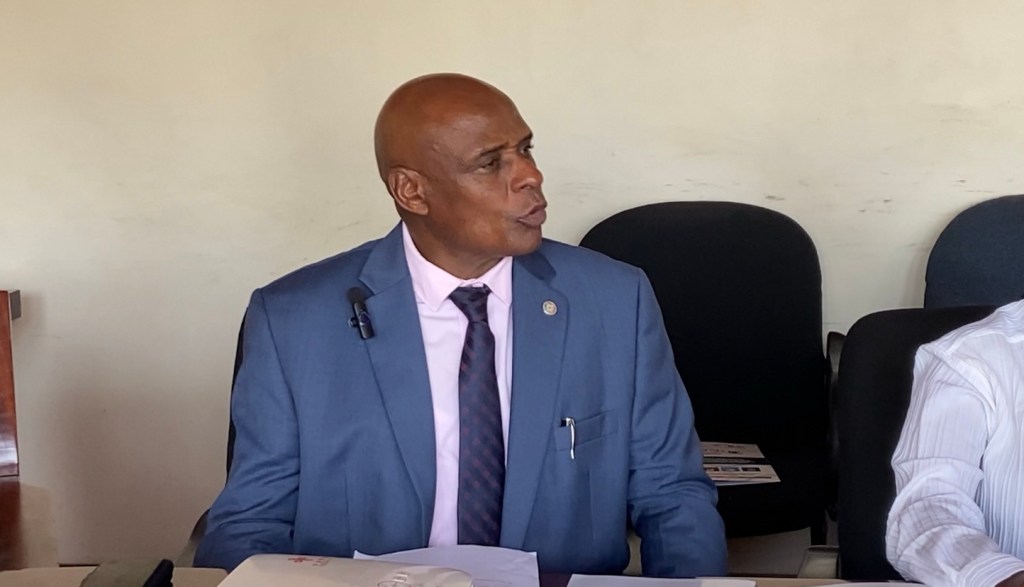

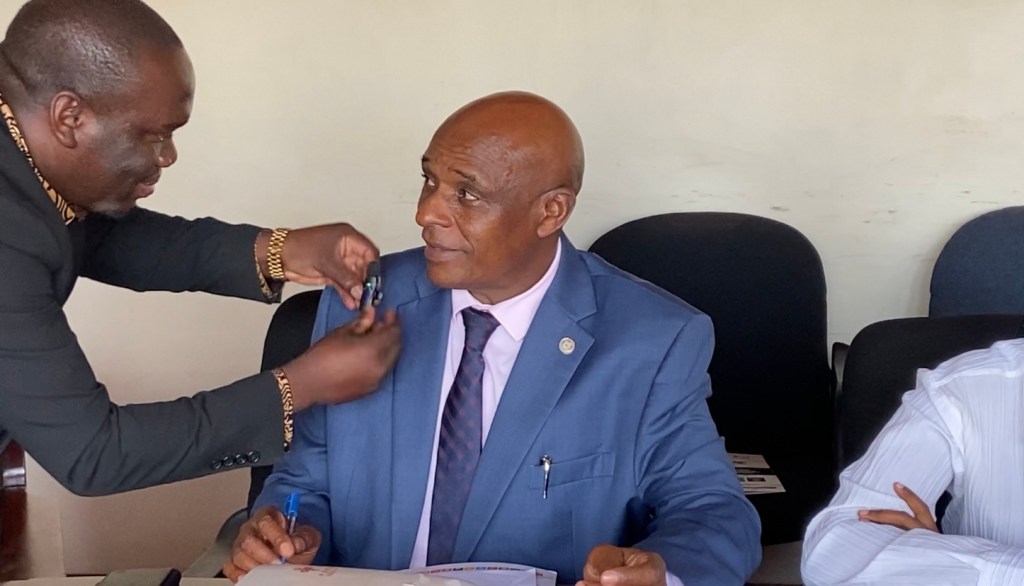

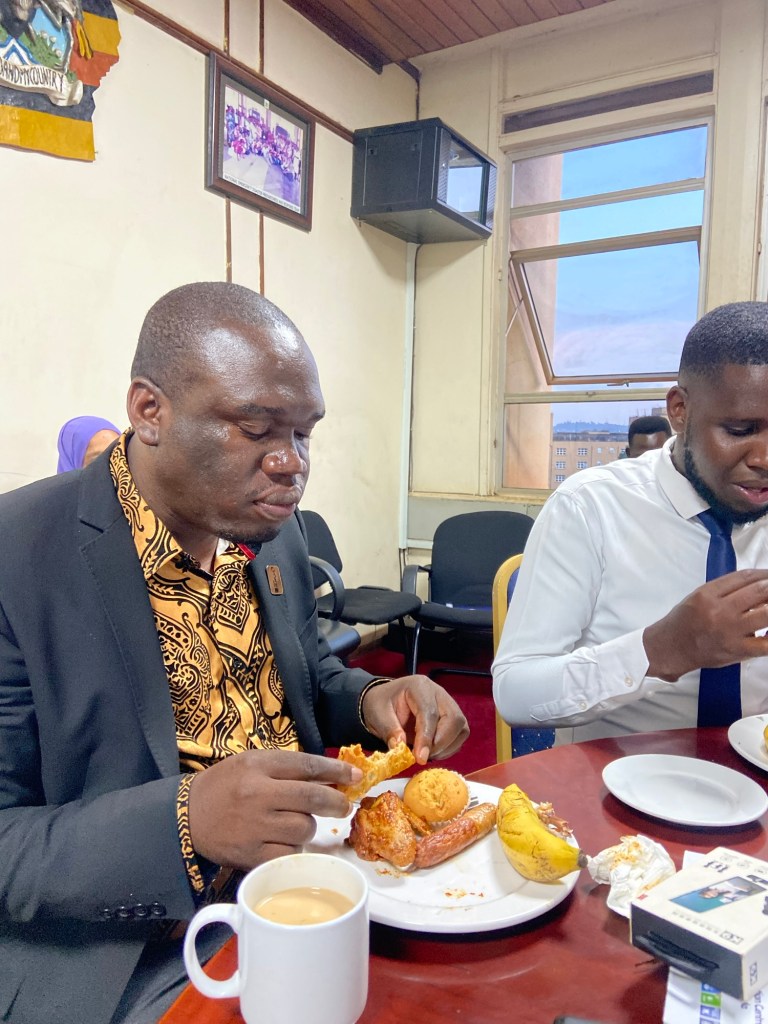
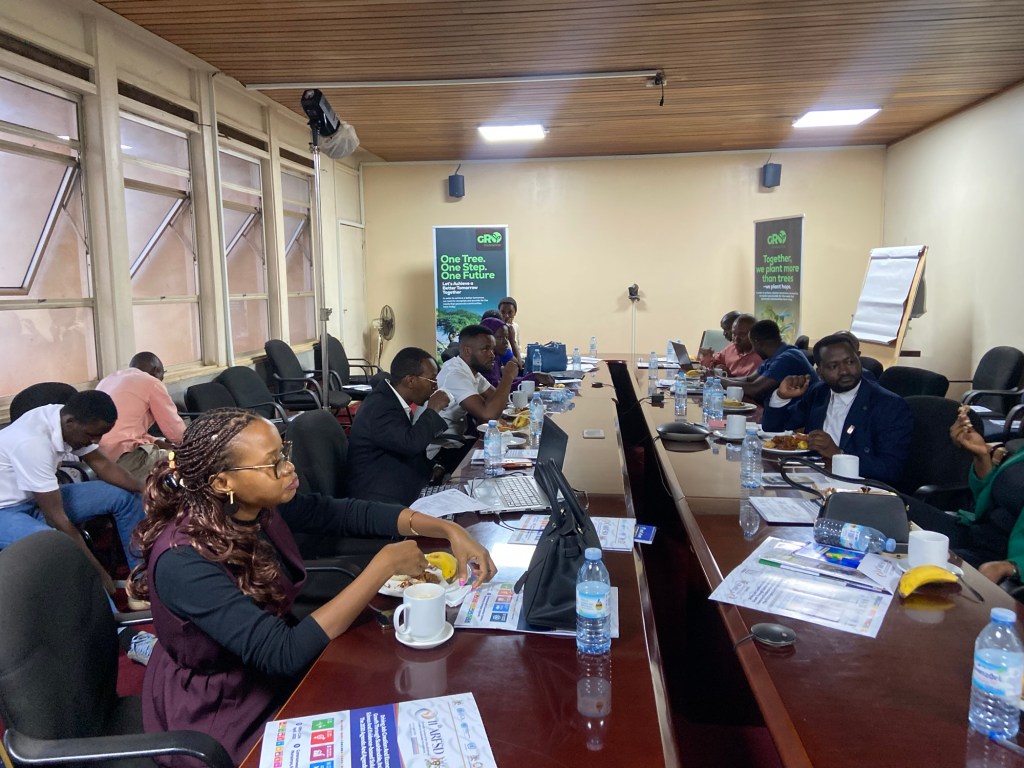
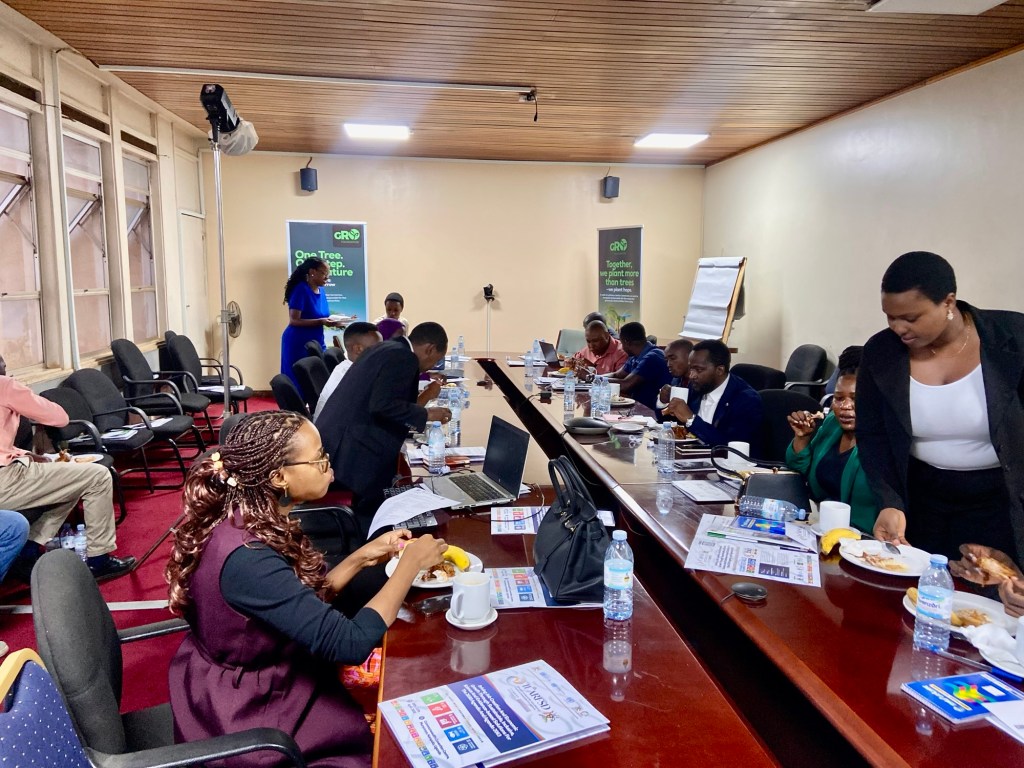

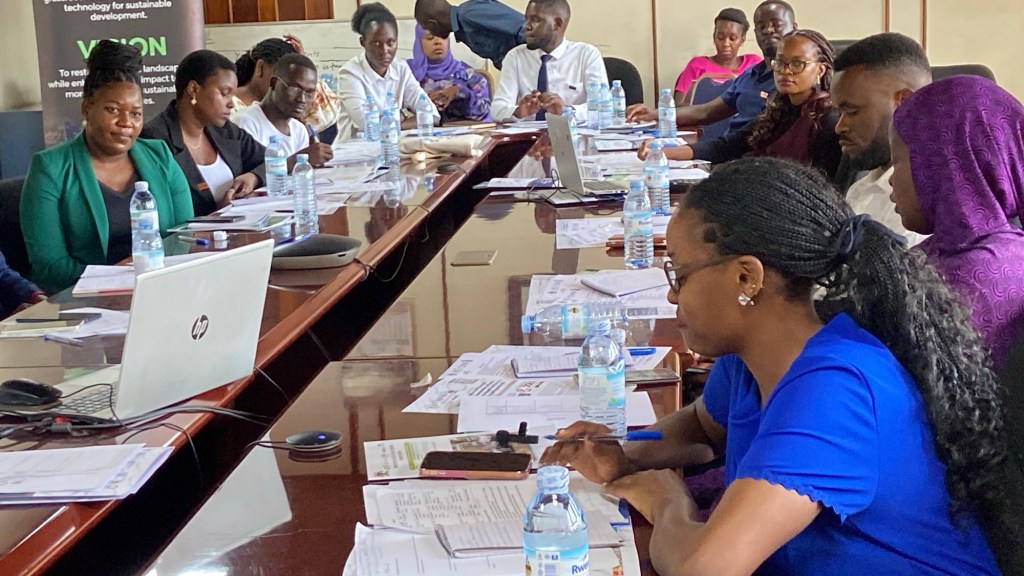


Opening Remarks by Dr. Albert Byamugisha
Delivering the opening address, Dr. Albert Byamugisha—Senior Technical Adviser on SDGs at the Office of the Prime Minister, Executive Chairman of Gro Foundation Uganda Ltd, and Chairman of the Board of Directors at the Uganda Bureau of Statistics (UBOS)—underscored the urgency of financing sustainable development.
“It is my great honour to open this important Side Event focused on one of the most pressing issues of our time—how to unlock alternative financing and capital-raising mechanisms to accelerate the implementation of the Sustainable Development Goals (SDGs) in Africa,” Dr. Byamugisha stated.
He commended ECOSOC, the Government of Uganda, UNDP, Gro Foundation, HTP, and other partners for facilitating a “bold, solution-oriented dialogue.”
Dr. Byamugisha outlined three core objectives of the event:

1. Unlocking Alternative Financing:
Africa continues to face a significant SDG financing gap. Traditional public funding is insufficient. There is a critical need to leverage innovative mechanisms such as climate finance, SDG bonds, green and blue bonds, carbon markets, diaspora remittances, blended finance, and public-private partnerships to mobilize large-scale sustainable resources.
2. Enhancing Social Inclusion:
Financing strategies must prioritize the inclusion of marginalized groups—women, youth, persons with disabilities, and rural communities. Resources should support grassroots initiatives, ensuring that sustainable development is equitable and inclusive.
3. Promoting Sustainable Water Resource Management:
Water is central to the SDGs. From agriculture and health to climate resilience, water is a connecting thread. Dr. Byamugisha emphasized the need for innovative financing that supports water infrastructure, governance, and ecosystem restoration.
He further noted that Uganda is embedding these priorities in its national development frameworks, with organizations like the Gro Foundation playing a critical role in translating policy into community-level action.
“As we begin today’s discussions, I encourage all of us to challenge old models, amplify inclusive voices, and co-create new financial instruments that reflect Africa’s realities and aspirations,” he concluded, officially declaring the Side Event open.
Keynote and Panel Discussion
Tom Sengalama, an expert from UNDP, delivered a keynote address on Innovative Financing for Sustainable Development, focusing on Nature, Climate, Energy, and Resilience.
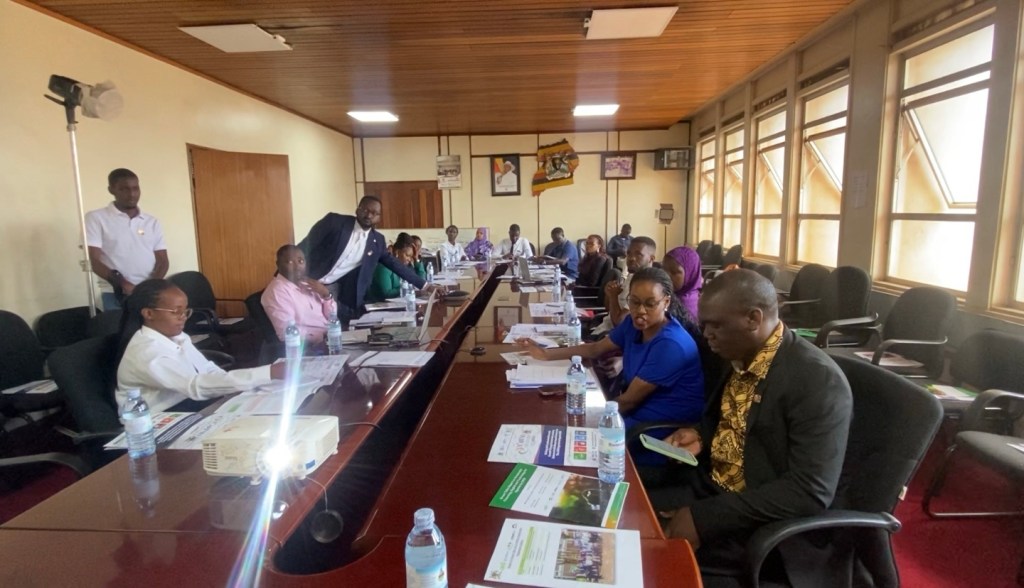
A panel discussion moderated by Bridget Ninsiima followed, where panelists explored effective alternative financing mechanisms being used in East Africa. Key topics included:
• Tailoring financing models for social inclusion
• Reaching marginalized communities
• Challenges and opportunities in financing marine conservation projects in Uganda
• Strengthening partnerships among governments, development partners, and the private sector


Highlights
HICGI News Agency will soon share detailed remarks from the panelists, including:
• Ms. Amina Nassali Ssentongo, President, Youth Coalition for SDGs
• Kivumbi Earnest Benjamin, President, Heal The Planet Global Organisation (HTP), a UN Consultative Status NGO
• Ms. Kamakume Beatrice, Youth Leader
• Mr. Shunwen Wei, Intern at IFAD (UN Agency), Africa Tribe China-Africa (attended online)
• Ms. Victoire Mandonnaud, Youth Entrepreneur, UN Intern, and Ph.D. candidate at Columbia University (attended online)
Question: How can partnerships between governments, development partners, and the private sector be strengthened to support alternative financing initiatives?
Ms Aminah (President Youth Coalition)
Africa does not lack ideas.
Goal 3 agenda 2030 of the stakeholders.
Look at all religious institutions.
Work should not just be done for charity.
Capacity building for stakeholders is key.
We are all stakeholders in what we do to save the environment.
When we receive funds from abroad, they are contributing to a global agenda which is alleviating poverty.
Mr Kivumbi
Criteria to access resources is normally competitive.
Be accountable.
Deliver results.
Establish regular dialogues.
Tax incentives for green incentives.
Core models can finance infrastructure and government.
Trust is important and accountability is key.
Be transparent.
Innovative hubs.
Ms Beatrice
Blended finance and impact investment.
First look at the impact on ground {grass root organisations have impact}.
Grass root organisations are not funded.
How to finance organisations that are creating impact on ground.
Job creation.
Evaluate the impact already on ground {finance those creating or giving results already}.
Mr Wei
Capability to make the program come true and with capacity.
Design projects to educate the youth.
Educate them on how to finance the youth.
Link government and foreign investors into our business.
Question: What alternative financing mechanisms have proven effective in mobilizing resources for sustainable development in East Africa?
Mr Wei
Rural finance {funding the farmers in the country side}.
Ventures with farmers.
Specialists to the countryside to measure the area to get a good outcome.
Feedback from farmers on the projects.
Mr Kivumbi
Lots of negotiations with no deal {little to no money given to carbon credits}.
The global south emit a lot of fumes.
Green bonds in kenya and Rwanda {President of Rwanda and congo have been requesting for more money}.
Impact investing {changeling funds into start ups for eco-systems}.
Diapora bonds {remittances}.
Major income is the people in the diaspora.
No opportunities in Africa so preference to go abroad.
Carbon credit markets {forest conservation}.
Ms Aminah
Village saving saccos are good for mobilising financing / resources {at the grass root level} western and eastern.
De-risking capital {PDM is a loan basis} making sure everyone can access capital without lots of documents.
Diaspora remittances {financial flow from the diaspora is very key}.
Ms Beatrice
Development impact bonds {attach impact to financing}.
PDM is under development mechanism.
Education financing.
Higher institution financing education loans.
Money goes to the people who need it most.
Ministry of health was impactful for pregnant mothers.
Tie finance to impact accountability reaching the right person {avail finance even to the last person}.
Social impact funds {tie finance to the social impact; address the issue of early teenage pregnancies and drop outs.
Impact leads to more.
Question: How can these mechanisms be tailored to enhance social inclusion and benefit marginalized communities?
Ms Beatrice
Inclusion: means you have designed a program to cater for that issue and finance it.
Results at the grass root level.
Inclusion of women {non-beaucratic}.
Capacity building.
Incentives for those performing well.
Mr Wei
Youth leaders.
Fixed percentage.
Make the communities leaders.
Have a data system for those financed {have a number of people helped to track impact}.
Ms Aminah
Participatory design {bottom-top inclusion}. Don’t think for others – do ground survey first.
Have an intentional design.
Decentralise funds to reach the grassroot communities {this is caused due to centralising – make use of local government}.
Technology integration {for data inclusive}.
Mr Kivumbi
Village savings can be integrated in large financing {Pewosa in Buganda, Kabaka informs people to save and borrow to do exactly what is required of you}.
Participatory budgeting.
Gender lense investing {targeting funds into gender based communities}.
Social impact bonds {look at karamoja}.
Question: What are the specific challenges and opportunities in financing marine conservation projects in Uganda?
Mr. Kivumbi
Limited awareness and policy conservation.
Inadequate funding for life under water.
Weak Marine policy.
Weak enforcement capacity and remain focused.
Mr. Wei
Marine production {AI companies link with Marine companies to detect pollution and inform communities on what is going wrong}.
Projects and funding grants to protect fish and life under water.
Do more research to cater for these challenges.
Reach out.
Ms. Beatrice
Very key to communities living next to water.
Have data on this {how much data is there in these communities or of financing}.
Addressing challenges of people who live near water.
Providing education and food to these communities.
Consult to know how they can be supported.
Little private investment to marine.
Ms Aminah
Lack of awareness about this SDG {live below water}.
Article on worrying concerns on l. Victoria {green algae and pollution}.
Political prioritisation {no law that speaks to marine conservation}.
Priorities of the government.
Mind-set of the people in the communities.
Lack of tailored based models for island communities.
opportunities
Potential in the blue economy {lots of potential, fish exports}.
Nature based solutions for the lakes.
Create a community conservation trust for the water bodies.
Private profit institution.
Partner with Uganda wildlife.
Technology cuts across all the SDGs {unique challenges of driven innovations}.

 HICGI News Agency