
By Faith Barbara N Ruhinda Updated at 1644 EAT on Saturday 31 May 2025
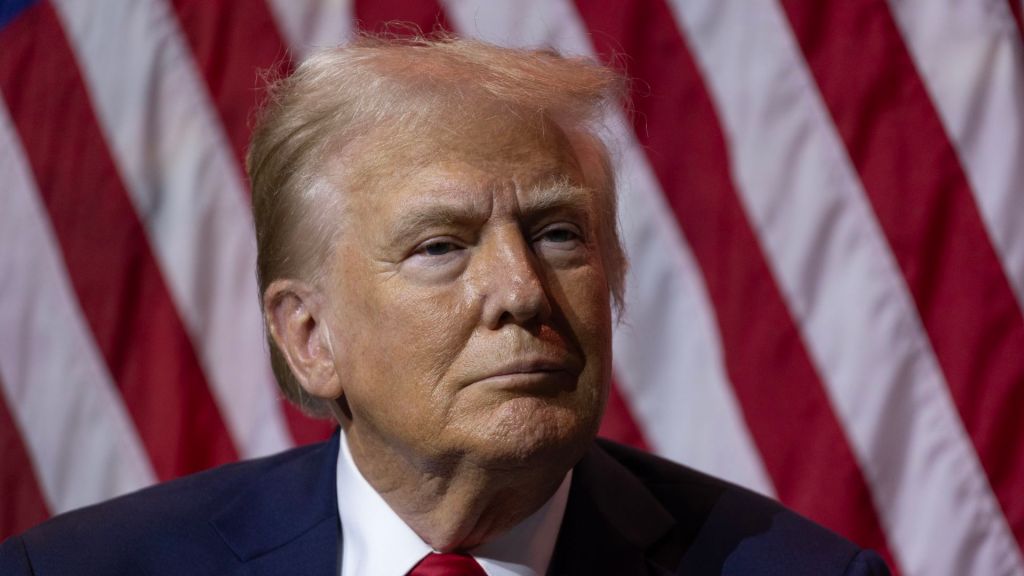
President Donald Trump has announced plans to double the US tariff rate on steel and aluminum imports from 25% to 50%, effective June 4.
This move aims to bolster the domestic steel industry and reduce reliance on foreign producers, particularly China. The tariffs were initially set at 25% for steel and 10% for aluminum in 2018, with the aluminum tariff rate already increased to 25% for most countries in February 2025
He also mentioned a potential $14 billion investment in US steel production through a partnership between US Steel and Japan’s Nippon Steel. However, Trump later clarified that he hadn’t seen or approved the final deal. This move is part of Trump’s latest tariff policy shift, continuing his unpredictable approach to trade regulations since taking office in January.”
“There won’t be any layoffs or outsourcing, and every US steelworker will receive a well-deserved $5,000 bonus,” Trump declared to thunderous applause from the crowd of steelworkers.
This declaration came as part of his plan to double steel tariffs to 50%, aiming to bolster the domestic steel industry. Trump also mentioned a $14 billion partnership between US Steel and Japan’s Nippon Steel, promising it would bring long-term gains and safeguard American ownership and oversight.
Steelworkers had concerns about the US-Japan trade deal, particularly regarding Japan’s potential handling of the workers’ union contract, which governs pay and hiring.
Trump started his speech by claiming he had “saved” US Steel, a Pittsburgh-based steel manufacturer, with the 25% tariffs introduced during his first term in 2018. However, it’s worth noting that Nippon Steel has pledged to honor existing labor contracts if the acquisition goes through.
Trump also mentioned a potential $14 billion investment in US steel production through a partnership between US Steel and Nippon Steel, promising it would safeguard American ownership and oversight.
US Steel has indeed faced challenges in recent years, with both sales and profits declining.
Trump’s tariff hike to 50% aims to boost US Steel’s survival by making it harder for foreign competitors to penetrate the market.
He emphasized that with the current 25% tariff, foreign steel producers “can sort of get over that fence,” but at 50%, “they can no longer get over the fence”. This move is part of Trump’s plan to protect American steelworkers and ensure US Steel remains a major player in the industry.
The US steel industry has faced significant challenges in recent years, with China, India, and Japan emerging as the world’s top steel producers. The US now imports around a quarter of its steel, with a substantial portion coming from Mexico and Canada a situation that has drawn Trump’s ire.
In response, Trump announced a plan to double tariffs on steel and aluminum imports to 50%, aiming to protect American steelworkers and manufacturers.
This move comes amid ongoing legal debates about the legitimacy of some of Trump’s global tariffs. While a court recently allowed many of these tariffs to continue, the focus on steel and aluminum remains unchanged. Trump argues that higher tariffs will help level the playing field for domestic producers and reduce reliance on foreign steel.

“I’m thrilled about the potential partnership with Nippon Steel,” said Mr. Burgess, Mayor of Washington, Pennsylvania.
“I hope it will help create opportunities for a new generation of steelworkers in our area.” He also reflected on the benefits of Trump’s steel tariffs during his first term, noting that they allowed him to “make a lot of money.” Burgess expressed optimism that the partnership and increased tariffs will bring long-term prosperity to the local steel industry.
Although Mayor Burgess isn’t a Trump supporter having voted for Democratic presidential nominees in the last 20 years he pragmatically backs policies that benefit American manufacturing.
“I’m never going to disagree with something that levels the playing field for American manufacturing,” he said. However, Trump’s tariffs have sparked global economic uncertainty, disrupting trade and straining US relations with key allies. Critics argue that while tariffs may protect some domestic industries, they also lead to higher costs for consumers and businesses, potentially harming the economy in the long run.
The tariffs have strained Sino-US relations, sparking a tit-for-tat trade battle between the world’s two largest economies. Both countries have imposed retaliatory measures, affecting various industries and sparking concerns about global economic stability.
This ongoing trade tension has significant implications for international trade, economic growth, and diplomatic relations.
Invest or Donate towards HICGI New Agency Global Media Establishment – Watch video here
Email: editorial@hicginewsagency.com TalkBusiness@hicginewsagency.com WhatsApp +256713137566
Follow us on all social media, type “HICGI News Agency” .
 HICGI News Agency