
By Dr. Kivumbi Earnest Benjamin, L.H.D (Hon.)
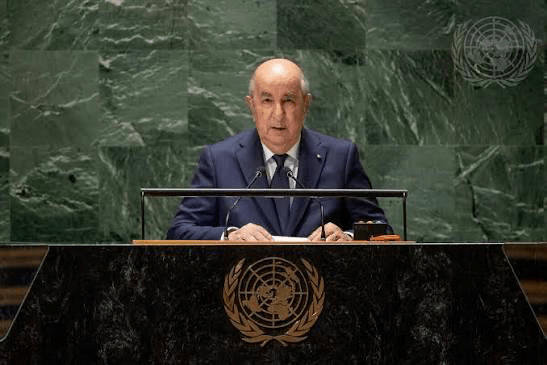
Algiers – President Abdelmadjid Tebboune has awarded the National Order of Merit to Ambassador Amar Bendjama, Algeria’s Permanent Representative to the United Nations, in recognition of the country’s stepped-up diplomatic engagement — especially its work within the UN Security Council.

In a televised interview on Friday, Tebboune said that Algerian diplomacy is “on the right track,” noting that its achievements at the Security Council “bring honor to Algeria.” He signed a decree on Thursday to confer the National Order of Merit on Ambassador Bendjama, with the formal presentation to take place in New York.

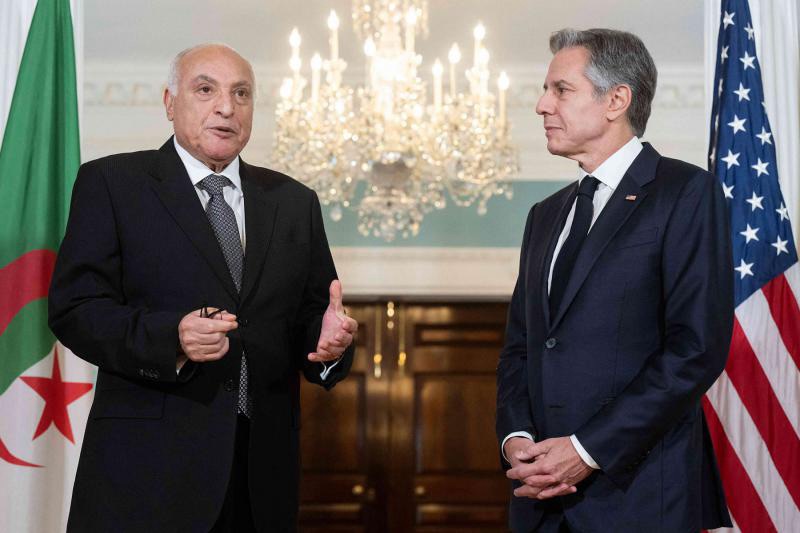
The President also credited Foreign Minister Ahmed Attaf with helping elevate Algeria’s diplomatic standing thanks to his expertise and international connections.
What Algeria has been doing in the UNSC
To give international audiences a clearer picture, here are some of Algeria’s recent roles and initiatives at the UN, especially since it began its current non-permanent term on the UN Security Council (2024-2025):
Non-permanent member status: Algeria was elected to serve as a non-permanent member of the UN Security Council for the 2024–2025 term. It took office on 1 January 2024. It’s the fourth time the country has held such a seat. Security Council priorities: Among Algeria’s stated priorities are strengthening peaceful resolution of conflicts, boosting regional organizations’ roles (notably in Africa), promoting the involvement of women and youth in peace processes, and fighting terrorism. Advocacy on Palestine and Gaza: Algeria has made the Palestinian issue a central theme of its Security Council work. It has pushed for resolutions and meetings calling for ceasefires, humanitarian access, and condemnation of forced displacement. Support for reform and fair representation: Ambassador Bendjama has taken a leading role in promoting reform of the Security Council. Among other actions, he has chaired discussions in the UN General Assembly on equitable representation and emphasised the need for transparency, accountability, and the inclusion of African and Arab voices in decision-making. Coalition work: In several cases, Algeria has collaborated with groups of non-permanent members and regional partners—such as the “A3+” group (including countries like Mozambique, Sierra Leone, Guyana)—to present unified positions, especially on humanitarian crises, conflict mediation, and stabilization missions.

 HICGI News Agency