
By Dr. Kivumbi Earnest Benjamin, L. H. D (Hon.) Updated at 1540 EAT on 11th October 2025
KAMPALA, UGANDA — President Yoweri Kaguta Museveni on Friday officially closed the Afro-Arab Youth Congress 2025 at Speke Resort Munyonyo, urging young people from Africa and the Arab world to embrace ideology, unity, and innovation as key drivers of peace, stability, and shared prosperity.

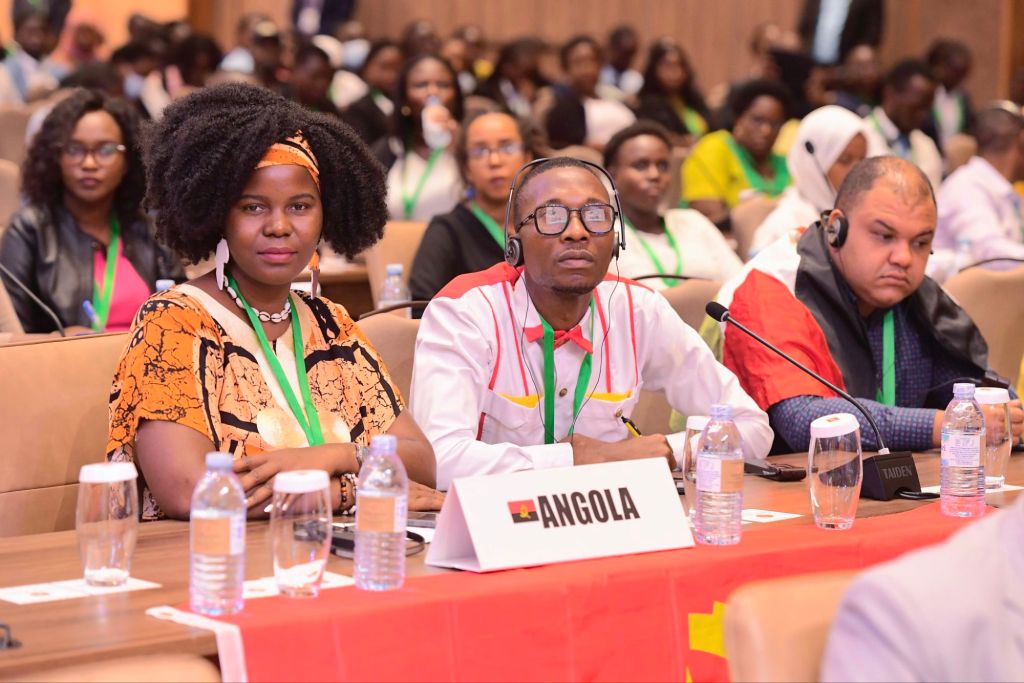


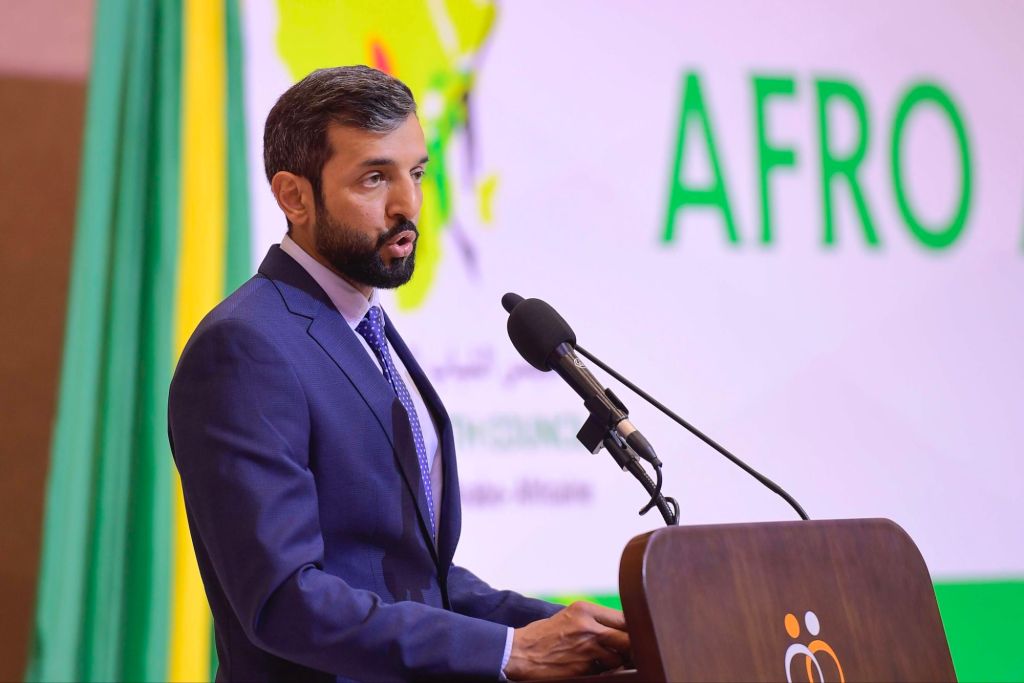
The five-day congress, held under the theme “Amplifying Youth Voices for Peace, Unity and Prosperity,” brought together youth leaders, diplomats, government officials, and development partners from across the Afro-Arab region. Running from October 6 to 10, the summit aimed to strengthen collaboration among young leaders and create a framework for sustained Afro-Arab youth engagement.
In his keynote address, President Museveni underscored Africa’s strategic demographic advantage, noting the continent’s population is projected to rise from 1.5 billion to 2.5 billion within the next three decades.
“You young people need to know that you belong to the future of the world. The future belongs here — in the Afro-Arab world,” he said.
The President commended the region’s abundant natural resources and favorable climate but cautioned that diseases and underdevelopment still hinder progress. He challenged youth to devise homegrown, innovative solutions to such challenges.
Museveni identified ten strategic bottlenecks to Africa’s growth, warning that ideological disorientation remains the most dangerous. He emphasized the need to build politics on shared interests rather than ethnic or religious identity.

“The most important question in politics is: is it about identity or about interests? You cannot build strong national movements through tribal politics. Prosperity comes from selling a good or service, not from tribalism,” he said.
He further urged the youth to embrace patriotism and Pan-Africanism as foundational ideological principles.
“Love your country — whichever it is — but also be Pan-Africanists. Uganda cannot thrive without Africa,” he said.
Highlighting the economic limitations of fragmented markets, President Museveni called for deeper regional integration to unlock Africa’s full potential.
“Africa is divided into 55 small markets — who will buy what you produce? Development needs a society of wealth creators, and that requires demand. Regional blocs like the EAC and ECOWAS must become fully functional,” he added.
Comparing ideology to a medical prescription, he warned:
“Ideology is like a medical prescription — if it is wrong, the patient will die.”
During the event, the President launched a fundraising drive to support Afro-Arab youth empowerment programs.

Voices from the Congress
Chido Cleopatra Mpemba, Special Envoy on Youth and Gender to the Chairperson of the African Union Commission, lauded Uganda’s example in promoting women and youth leadership.
“Uganda’s Cabinet includes women in key positions — Vice President, Prime Minister, and ministers. We thank President Museveni for giving a platform to women,” she said.
Kithure Kindiki, Deputy President of Kenya, hailed the congress as a critical platform for building regional cooperation and youth leadership.
“Young people are not just the leaders of tomorrow — they are leaders of today. The future is not promised; it is created,” he stated.
A representative of UAE President Sheikh Mohamed bin Zayed Al Nahyan reaffirmed the Emirates’ commitment to youth empowerment.
“We believe in youth as changemakers. In the UAE, our national youth agenda empowers young people to shape the future,” he said.
Abdul Haddi Lahweej, President of the Afro-Arab Youth Congress, stressed the need for reform and unity in tackling shared challenges.
“Arab and African nations live side by side. With all our natural wealth, how can Africa still be poor?” he asked.
“Africa must stop wars and condemn oppression. Peace is not an option — it is a necessity.”
About the Afro-Arab Youth Congress (AAYC)
The Afro-Arab Youth Congress fosters collaboration between youth organizations across Africa and the Arab world through:

- Cooperation and Integration: Strengthening unity and shared purpose among Afro-Arab youth.
- Youth Empowerment: Addressing challenges like unemployment, illiteracy, and social inequality through inclusive dialogue.
- Active Engagement: Promoting youth participation in humanitarian work, arts, science, and sports.
- Global Partnerships: Building alliances with regional and international youth organizations.
- Girl-Child Empowerment: Ensuring young women have equal voice and opportunity in leadership.
- Intercultural Dialogue: Encouraging mutual understanding and respect between African and Arab communities.
The 2025 edition concluded with renewed commitment from participants to advance peace, innovation, and inclusive development across both regions.

 HICGI News Agency