
KAMPALA, Uganda (HICGI News Agency) — Youth advocate and entrepreneur Nyanzi Martin Luther has criticized Members of Parliament from the National Unity Platform (NUP), accusing them of hypocrisy for demanding President Yoweri Museveni’s departure while holding onto their own parliamentary seats.
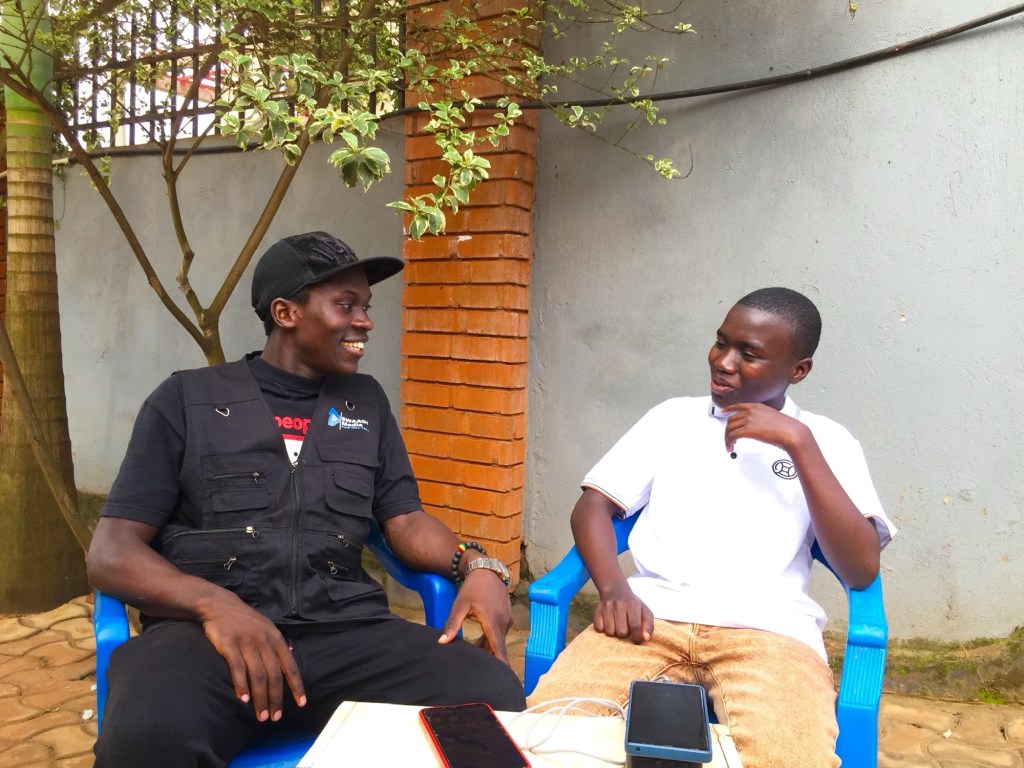
In a recent interview, Nyanzi questioned what he described as inconsistencies within the opposition, saying that genuine political change must begin with internal accountability.
“Stop crying for a new Uganda when our own NUP MPs don’t want to leave Parliament,” he said.
He added that if opposition legislators also intend to remain in power indefinitely, their criticism of President Museveni’s long tenure becomes unjustified.
“If they also want to remain in Parliament endlessly, then let Museveni rule,” Nyanzi said.
The remarks have generated debate among Ugandans, particularly young voters who have increasingly voiced frustration with both ruling and opposition leaders. Many have called for generational change and new leadership approaches ahead of the 2026 general elections.

Some critics of NUP argue that several of its senior MPs have served for over a decade—initially under other political parties—while continuing to portray themselves as agents of change.
Nyanzi, who heads the Apex Digital Skills Initiative, a youth empowerment program, said Uganda needs leaders willing to step aside to allow new voices to emerge. He emphasized that renewal within political parties is essential to rebuilding public trust.
Reactions to his statements have been mixed. Supporters have commended his call for accountability across the political spectrum, while others accuse him of undermining the opposition’s broader efforts toward democratic reform.
The National Unity Platform has not officially responded to Nyanzi’s remarks. However, party officials have previously defended their MPs’ continued service as necessary to challenge what they describe as Uganda’s entrenched political establishment.

As the 2026 elections draw closer, discussions around leadership renewal and political culture are expected to remain central to Uganda’s evolving political landscape.
 HICGI News Agency