
HICGI NEWS AGENCY
By Dr. @Kivumbi Earnest Benjamin, L.H.D. (Hon.)
Dar es Salaam, Tanzania | Updated at 1249 EAT on November 1, 2025
Tanzania’s National Electoral Commission has declared President Samia Suluhu Hassan the winner of a highly disputed election, handing her a second term in office with an overwhelming 98 percent of the vote.
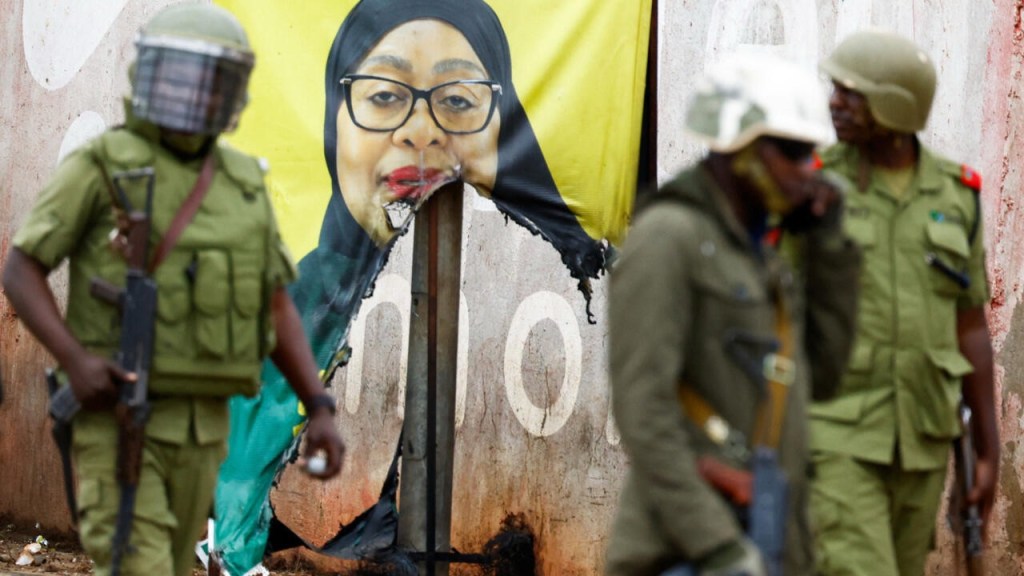
The declaration has sparked widespread outrage from opposition groups, civil society organizations, and international observers, who describe the process as a sham election marked by intimidation, arrests, and the systematic exclusion of political rivals. Several of President Hassan’s main challengers were jailed, harassed, or disqualified, casting serious doubt on the credibility of the vote.
Since Wednesday, waves of protests have swept through major cities and towns, met with what witnesses describe as brutal and indiscriminate violence from security forces. Opposition leaders allege that hundreds of civilians have been killed, while foreign diplomats have confirmed credible evidence of mass casualties.

Although the government has yet to release an official statement on the fatalities, diplomatic sources have disclosed that over 700 people may have died in the post-election unrest.
The ruling Chama Cha Mapinduzi (CCM) party— in power for more than six decades— now faces growing condemnation for its tightening authoritarian rule and the shrinking space for political dissent. Analysts warn that Tanzania is sliding toward one-party dominance under the façade of electoral legitimacy.
Opposition leader Tundu Lissu of the Chadema Party, who was barred from running in the election, denounced the results, saying, “This is not a victory for democracy; it’s the burial of it. Our people have been slaughtered for daring to vote, and the world must not stay silent.”

International reaction has been swift and stern. The African Union has called for an independent investigation into the alleged killings, urging Tanzanian authorities to uphold human rights and restore political freedoms. The United States and European Union have both voiced “deep concern” over the credibility of the process and the government’s violent response to dissent.
Amnesty International condemned the developments as a “national tragedy,” accusing the government of “turning its guns on the very citizens it claims to protect.”
With tensions still running high and reports of internet blackouts and media restrictions emerging from several regions, Tanzania now stands at a perilous crossroads — between reform and repression — as the international community watches closely.

 HICGI News Agency