
Updated by Faith Barbara N Ruhinda at 14011 EAT on Monday 10 November 2025


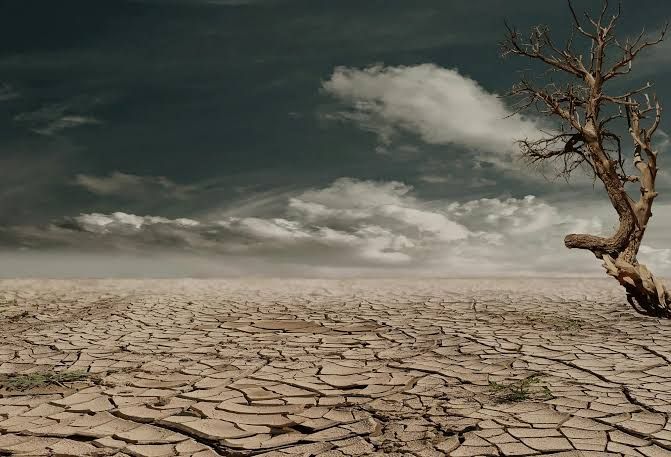
Climate-related disasters and conflict have forced millions from their homes worldwide, the United Nations has warned ahead of its annual climate conference.
In a report released on Monday to coincide with the opening of the 30th UN Climate Change Conference (COP30) in Brazil, the UN Refugee Agency (UNHCR) said weather-related disasters have displaced around 250 million people over the past decade. The agency warned that the growing impacts of climate change are intensifying humanitarian crises and driving record levels of displacement across the globe.

The UN Refugee Agency (UNHCR) has issued a stark warning about the growing impact of climate change on global displacement, releasing its second major report on the issue — No Escape II: The Way Forward — ahead of the COP30 climate summit in Brazil.
The report comes amid waning global momentum to agree on stronger action to curb global warming.
“Over the past decade, weather-related disasters have caused some 250 million internal displacements — equivalent to more than 67,000 displacements every day,” the report said.
The UNHCR warned that climate change is worsening the plight of people already displaced by conflict and other crises.

“Climate change is compounding and multiplying the challenges faced by those who have already been displaced, as well as their hosts, particularly in fragile and conflict-affected settings,” the agency said.
The report highlights floods in South Sudan and Brazil, record heatwaves in Kenya and Pakistan, and severe water shortages in Chad and Ethiopia as examples of disasters forcing people from their homes.
It also projects a sharp increase in the number of countries facing extreme exposure to climate-related hazards — from three today to 65 by 2040.
The report noted that the 65 countries projected to face extreme climate risks by 2040 are home to more than 45 percent of all people currently displaced by conflict.

“Extreme weather is destroying homes and livelihoods, and forcing families — many who have already fled violence — to flee once more,” UN High Commissioner for Refugees Filippo Grandi said in a statement.
“These are people who have already endured immense loss, and now they face the same hardships and devastation again,” he added. “They are among the hardest hit by severe droughts, deadly floods and record-breaking heatwaves, yet they have the fewest resources to recover.”
By 2050, the report warns, the world’s 15 hottest refugee camps — located in The Gambia, Eritrea, Ethiopia, Senegal and Mali — could experience nearly 200 days of hazardous heat stress each year.
The UN Refugee Agency (UNHCR) has warned that while the effects of climate change are intensifying, global commitment to addressing the crisis is faltering.
In its latest report, No Escape II: The Way Forward, released ahead of the COP30 climate summit in Brazil, the agency urged world leaders to renew efforts to protect vulnerable populations.
“The effects of climate change are growing, but the political will and funding to tackle them are shrinking,” the report said. UNHCR officials hope the conference will help reenergize global action to mitigate the worsening impacts.

The report also highlighted the sharp decline in international funding for humanitarian and climate-related work. Under former President Donald Trump, the United States — historically the UNHCR’s largest donor — significantly cut foreign aid. Washington had previously contributed more than 40 percent of the agency’s budget, but other major donors have also tightened their spending.
“Funding cuts are severely limiting our ability to protect refugees and displaced families from the effects of extreme weather,” UN High Commissioner for Refugees Filippo Grandi said. “To prevent further displacement, climate financing needs to reach the communities already living on the edge. This COP must deliver real action, not empty promises.”
Around 50,000 participants from more than 190 countries are expected to attend COP30 in Belém, in Brazil’s Amazon region, to negotiate new strategies for curbing the climate crisis.
Among the key issues on the agenda is the European Union’s Carbon Border Adjustment Mechanism (CBAM), a policy designed to prevent “carbon leakage” by requiring importers of carbon-intensive goods such as steel and cement to pay the same carbon costs as EU producers.
While Brussels defends CBAM as an essential tool to encourage cleaner production, critics — including major trading partners like the United States and China — have denounced it as a form of “green protectionism.” Developing nations argue that the policy unfairly shifts the financial burden of climate action onto poorer countries already struggling with the effects of a warming planet.
Credit to AlJazeera
Invest or Donate towards HICGI New Agency Global Media Establishment – Watch video here
Email: editorial@hicginewsagency.com TalkBusiness@hicginewsagency.com WhatsApp +256713137566
Follow us on all social media, type “HICGI News Agency” .
 HICGI News Agency