
By Faith Barbara N Ruhinda at 1340 EAT on Friday 14 November 2025
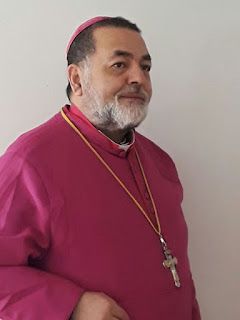
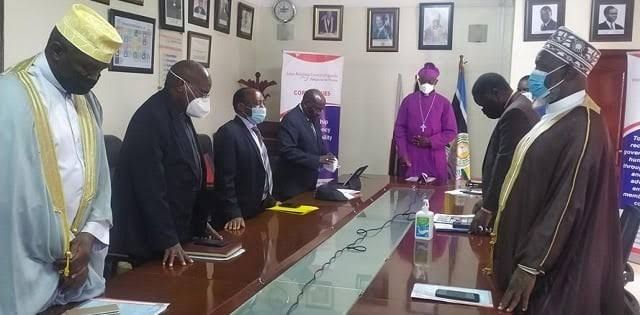

Christian leaders in Nigeria have issued a public reflection urging government officials, civil society organizations, and citizens to re-examine the nation’s approach to religious coexistence, equity, and collective well-being. Citing recent global conflicts that have caused widespread suffering—including the devastation in Gaza and other regions—the leaders say these events have prompted deeper introspection about humanity’s shared values and responsibilities.

They argue that recurring cycles of violence around the world reveal a broader failure to fully embrace the universal principles of human dignity, equality, and the belief in a Supreme Being who created all people without distinction. According to the statement, this calls for a renewed commitment to building societies where every individual has equal access to opportunities, security, and a peaceful life.
The leaders emphasize that no group—religious, ethnic, or ideological—should see itself as inherently superior to others or entitled to rights not universally shared. They call for a global and national reassessment of how communities live together, urging Nigerians to adopt new models of coexistence grounded in justice, empathy, and mutual respect.
Acknowledging the sensitivity of their message, the signatories say they feel morally compelled to offer practical recommendations for sustaining peace and ensuring balanced relations among diverse groups in the country.

Key Recommendations
1. Creation of an Interfaith Regulatory Council
They propose establishing a political-administrative, interfaith body empowered to monitor the conduct of religious leaders across all denominations. The council would help ensure accountability, promote responsible leadership, and encourage psychological assessments where appropriate—particularly for individuals who claim spiritual authority over large groups.
2. National Document on Shared Values and Responsibilities
The leaders recommend that the government draft a clear, accessible document for the public, outlining the fundamental principles that govern peaceful coexistence. This document would reinforce that all citizens—regardless of belief, non-belief, or religious identity—are equal under the law and share the same inherent dignity.
3. A Justice and Oversight Body Composed of Exemplary Citizens
To ensure fairness and transparency, they call for an oversight institution made up of citizens with proven integrity, honesty, and a record of upholding national peace. This body would be tasked with enforcing laws equitably, protecting the freedoms of all religious communities, and guaranteeing that expressions of faith contribute positively to national harmony and unity.
Christian leaders have expanded their appeal to Nigerian authorities and the broader public with additional proposals aimed at strengthening civic education, enhancing governmental transparency, and safeguarding national sovereignty. Their recommendations highlight the need for inclusive, community-centered approaches to governance and social development.

4. Establish Mobile Civic-Education Teams Representing All Faiths
The leaders propose that each National Ministry of Education create a mobile, multi-faith civic-education body composed of representatives from all religious and belief communities. This team would travel to every region of the country—urban and rural—to educate citizens on peaceful coexistence, mutual respect, and responsible citizenship.
The goal is to curb the spread of hatred, rivalry, and division by promoting wisdom, knowledge, and compassion. The group would also encourage respect for life in all its forms—human, animal, plant—and support the protection of natural resources, emphasizing scientific understanding, sustainability, and shared responsibility for national progress.
5. Rotate Government Offices Across All Regions to Increase Transparency and Public Trust
They further recommend that each ministry and government agency periodically rotate its physical presence across regions—holding official activities in cities, towns, and villages nationwide. This would allow citizens to interact directly with government officials and better understand the role and services of national institutions.
The leaders argue that consistent and visible government engagement strengthens trust, ensures that all citizens feel equally represented, and reinforces the principle that law applies to everyone without exception. They stress that no law should force changes in personal belief or conscience, and that faith—where it exists—must be a voluntary, reasoned, and conscious choice, not the result of coercion.
6. Promote National Dialogues and Peacebuilding Activities in All Educational Institutions
The statement calls for nationwide efforts to foster dialogue and peaceful coexistence through schools, universities, and community-based institutions. Recommended activities include debates, roundtables, forums, contests, cultural gatherings, and collaborative projects designed to celebrate diversity and reduce violence.
They caution that responding to violence with more violence only deepens cycles of resentment, revenge, and injustice—especially harming the most vulnerable populations. Peaceful, inclusive engagement, they argue, is essential for long-term stability and social harmony.
7. Protect National Sovereignty and Prevent Foreign Military Interference
The leaders also urge the federal government to prevent foreign armed forces from entering or interfering in the country under any circumstances. They warn that external actors—sometimes operating under the guise of peacebuilding—may pursue hidden interests that undermine national stability and sovereignty.
They assert that Nigeria must resolve its internal challenges through its own citizens and institutions, honoring the nation’s history as a free, independent, and self-determining state. Ensuring equal opportunities and rights for all inhabitants, they say, is the foundation for preserving national unity and resisting manipulation or exploitation by foreign powers.
Christian leaders have reiterated the central role of national security institutions in protecting the lives and dignity of citizens. They emphasize that armed forces and police units, as mandated by national constitutions across the world, exist solely to safeguard life, property, honor, and the fundamental rights of all residents.
They stress the need for strict civilian oversight to ensure these institutions uphold the rule of law, prevent corruption, and avoid involvement in human rights violations, including extrajudicial killings, enforced disappearances, discrimination, or operations designed to instigate false conflicts.
9. Ensuring Legitimate Defense and Protecting Citizens’ Rights
The leaders state that when individuals’ lives or national sovereignty are threatened—whether by internal or external armed groups—the constitutionally recognized security forces are the only entities legally authorized to neutralize such threats.
However, they warn that if state security institutions fail to fulfill their duty to protect the population, citizens must be equipped—through lawful, peaceful, and non-violent means—to safeguard their communities. Only as a last resort, and strictly within the boundaries of national and international law, can populations exercise legitimate self-defense against organized criminal groups that endanger public safety.
Accountability and the Rule of Law
They further underline that justice must apply equally to all. Those responsible for crimes—whether intellectual authors or direct perpetrators—must face impartial judicial processes and appropriate penalties. If a government or public official violates the rights of citizens, the statement asserts that they must be subject to fair national or international legal proceedings.

Restoring social equilibrium, it says, requires that all forms of injustice be addressed through lawful, transparent, and non-discriminatory mechanisms.
Clarification on Human Rights and Responsibilities
The leaders remind government officials, political authorities, and members of the armed forces that human rights are foundational to human dignity and must be respected universally. These include:
the right to life
the right to liberty and equality
the right to due process
the right to food and adequate housing
the right to privacy and intimacy
the right to education and health
the right to fair work and dignified retirement
the right to property
the right to personal autonomy, including responsible and consensual expression of sexuality
the right to recreation and well-being
They emphasize that these rights, based on the Universal Declaration of Human Rights, must be protected without discrimination. Violations—such as abuse, coercion, or exploitation of minors or adults—must result in fair and lawful consequences. Punishment, they assert, must never involve inhumane acts such as torture or execution, because taking life violates the core principle of human dignity.
Citizens, in turn, must honor their duties under national constitutions and international law, helping to build societies grounded in fairness, solidarity, and shared responsibility.
—
With gratitude and profound respect for all citizens of the world,
My heartfelt and sincere greetings in solidarity with all…
**The Most Reverend
Leonardo Marin-Saavedra
Anglo-Catholic Patriarch of the Americas**
Invest or Donate towards HICGI New Agency Global Media Establishment – Watch video here
Email: editorial@hicginewsagency.com TalkBusiness@hicginewsagency.com WhatsApp +256713137566
Follow us on all social media, type “HICGI News Agency” .
 HICGI News Agency