
Updated by Faith Barbara N Ruhinda at 1145 EAT on Tuesday 18 November 2025
Chinese film distributors have suspended the release of two Japanese animated films amid an intensifying diplomatic dispute over Taiwan.
According to state broadcaster CCTV, Crayon Shin-chan the Movie: Super Hot! The Spicy Kasukabe Dancers and Cells at Work! will not be screened in mainland China as originally scheduled.
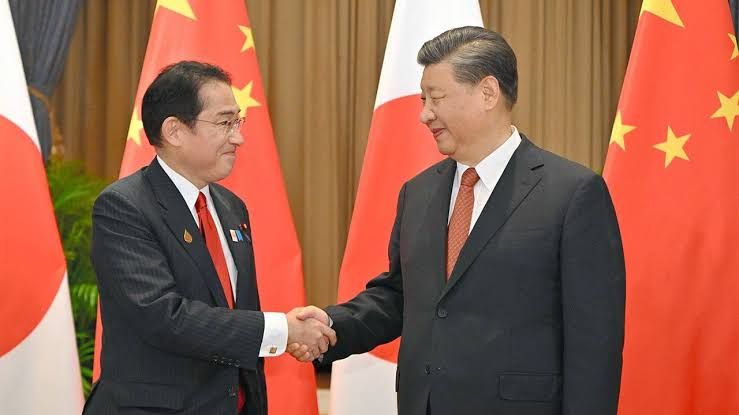
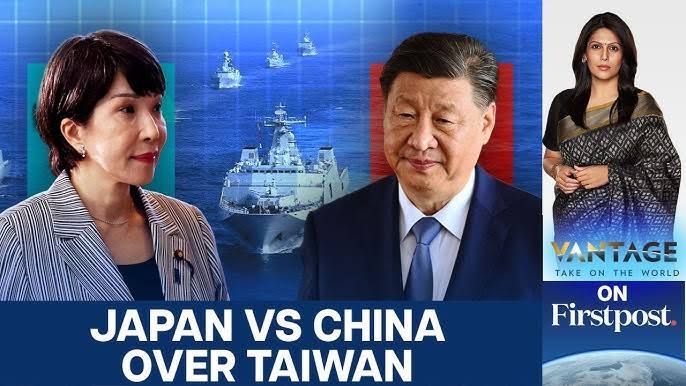
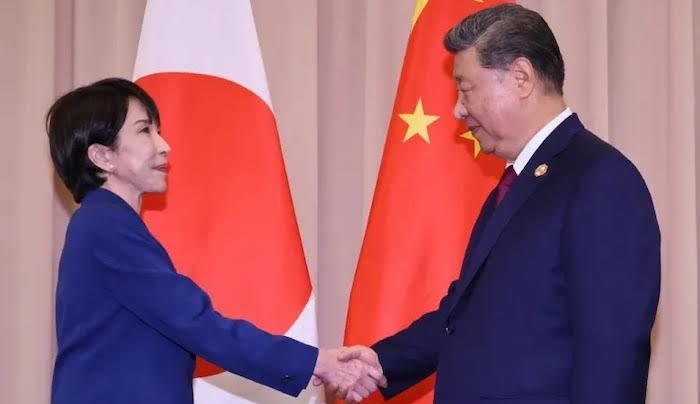
The move comes as relations between Tokyo and Beijing sink to their lowest point in years, following Japanese Prime Minister Sanae Takaichi’s suggestion that Japan could intervene militarily if China attempted to seize control of Taiwan.

CCTV said distributors had taken the “prudent” decision to postpone the releases in light of the recent performance of Japanese films in China and prevailing “Chinese audience sentiment.”
According to the broadcaster, film distributors reported that Takaichi’s “provocative remarks” would inevitably influence Chinese public perceptions of Japanese cinema. The companies would therefore “follow market principles and respect audience preferences” by delaying the screenings, CCTV said.

Naoise McDonagh, an expert on economic coercion at Edith Cowan University in Western Australia, said the postponements aligned with a familiar pattern in Chinese statecraft.
“China is usually careful to target trade that is non-essential for China but that will impact Japanese firms, creating both financial costs and symbolic pressure,” McDonagh told Al Jazeera.
Such incidents, he said, allow Beijing to signal that parties acting against its interests will face consequences, “providing China some degree of influence on other governmental decision-making processes that impact China’s red line.”

The delayed film releases follow a series of retaliatory measures by Beijing in response to Takaichi’s comments, including an advisory warning Chinese citizens against travel to Japan and the deployment of warships to waters near the disputed Senkaku Islands.
Japan on Monday issued its own travel advisory for China, urging its citizens to respect local customs, avoid crowded areas and exercise caution in their interactions with Chinese nationals.
Japanese Chief Cabinet Secretary Minoru Kihara told a regular media briefing on Tuesday that Tokyo’s advisories reflected “the social situations” of individual countries, adding that the latest notice was informed by recent reporting on tensions between Japan and China.
Kihara also said Tokyo maintained an “open stance” toward dialogue with Beijing, after Chinese officials indicated that Premier Li Qiang had no plans to meet Takaichi on the sidelines of this weekend’s G20 summit in South Africa.
The comments came as Japan’s top official for Asia-Pacific affairs, Masaaki Kanai, met his Chinese counterpart, Liu Jinsong, in Beijing on Tuesday in an effort to ease escalating tensions.

China considers self-ruled Taiwan part of its territory and has pledged to “reunify” the island with the mainland, by force if necessary. Japan views China’s posture toward Taiwan with increasing concern, given the island’s proximity to Japanese territory and its strategic location along key shipping lanes.
Beijing requires countries that maintain diplomatic relations with China to refrain from officially recognising Taiwan. While most states adhere to this position, many continue to maintain economic ties and semiofficial diplomatic engagement with Taipei.
Portions of this reporting were first published by Al Jazeera.
Invest or Donate towards HICGI New Agency Global Media Establishment – Watch video here
Email: editorial@hicginewsagency.com TalkBusiness@hicginewsagency.com WhatsApp +256713137566
Follow us on all social media, type “HICGI News Agency” .
 HICGI News Agency