
Updated by Faith Barbara N Ruhinda at 1446 EAT on Friday 21 November 2025
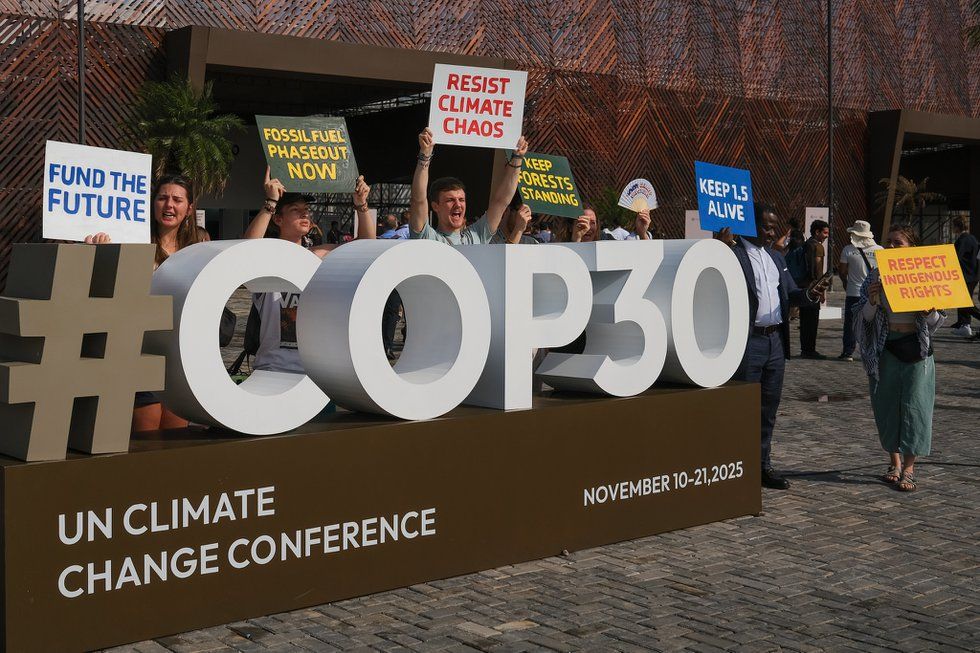

Countries remain sharply divided over the future of fossil fuels as the 2025 United Nations Climate Change Conference, or COP30, moves toward its scheduled conclusion in the northern Brazilian city of Belém, raising the prospect of a contentious finish.
After two weeks of negotiations, delegates have yet to reach an agreement. Brazil on Thursday circulated a new draft proposal that omitted both a roadmap for phasing out fossil fuels and any reference to the term “fossil fuels” itself.
More than 30 countries from Africa, Europe, Asia and the Pacific co-signed a letter condemning the draft, saying they “cannot support an outcome that does not include a roadmap for implementing a just, orderly and equitable transition” away from nonrenewable energy sources.

The commitment to shift away from fossil fuels — including natural gas, coal and crude oil — was hailed as a landmark breakthrough at COP28 in Dubai. Even then, negotiators stopped short of endorsing a full “phase-out,” following intense pressure from major oil-producing states.
A first draft of the COP30 text, released on Tuesday, initially included the option of developing a roadmap to transition away from fossil fuels.
However, major producers and consumers — including China, India, Saudi Arabia and Russia — reportedly rejected the proposal, according to multiple news outlets citing negotiators familiar with the discussions.

The United States, which supported a phase-out under former President Joe Biden in 2023, did not send a delegation to this year’s conference. Former President Donald Trump has previously dismissed the climate crisis and global warming as a “hoax.”
Another key point of contention is climate finance, the funding intended to help countries adapt to climate change. Brazil’s latest draft calls for tripling climate financing by 2030 compared with 2025 levels.
However, the proposal does not clarify who would provide the funds — whether wealthy nations, the private sector, or multilateral development banks. Historically, Western countries have been reluctant to provide cash to poorer nations most affected by climate change.

Speaking to reporters on Thursday, UN Secretary-General António Guterres said the conference was “down to the wire” and urged countries to “address disinformation aimed at derailing the transition.”
“Communities on the front lines are watching too, counting flooded homes, failed harvests, lost livelihoods,” he added. “They have heard enough excuses.”
The ongoing COP30 negotiations were briefly interrupted on Thursday by a fire that forced thousands of delegates to evacuate the conference venue.
Flames broke out in an exhibition pavilion and quickly spread along the building’s internal shell as attendees were finishing lunch, burning for about six minutes.
Nineteen people were treated for smoke inhalation, but no serious injuries were reported, according to event and fire officials.

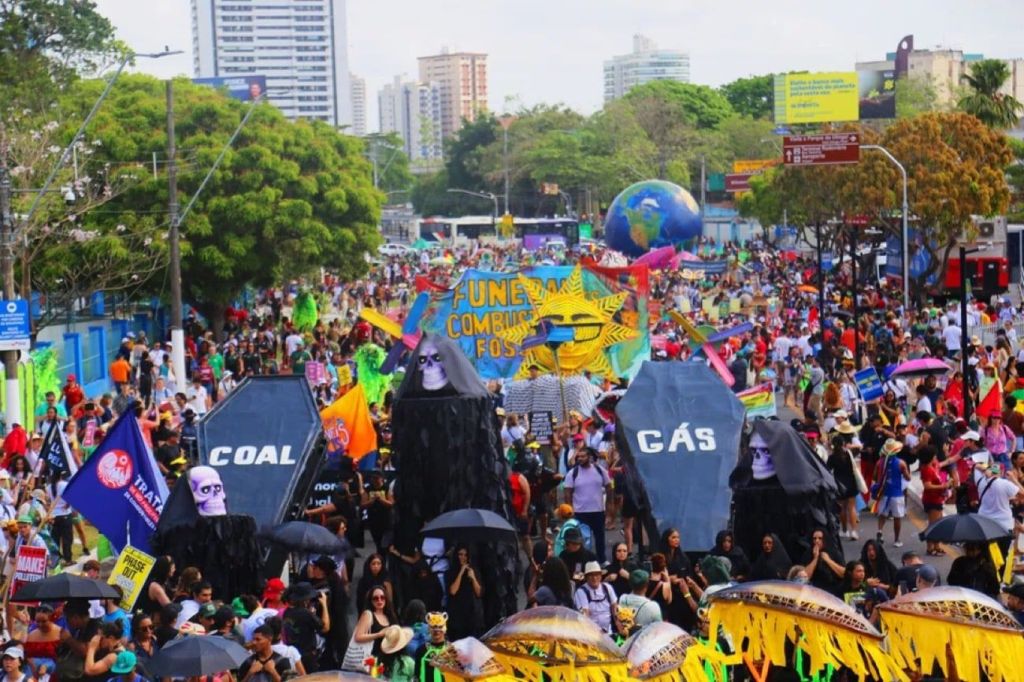
Delegates have raised concerns throughout COP30 about electrical wiring, air conditioning, and other infrastructure issues at the venue, which sits on the edge of the Amazon rainforest. Thousands of protesters have also marched in Belém, calling for Indigenous peoples and environmental defenders to have their voices heard.
In a joint statement Thursday evening, the UN and COP30 leadership said the fire site was “safe” and urged delegates to return focus to the negotiations, which could extend into the weekend.
“We still have substantial work ahead, and we trust that delegates will return to the negotiations in a spirit of solidarity and determination to ensure a successful outcome for this COP,” the statement said.
Reporting by Al Jazeera.
Invest or Donate towards HICGI New Agency Global Media Establishment – Watch video here
Email: editorial@hicginewsagency.com TalkBusiness@hicginewsagency.com WhatsApp +256713137566
Follow us on all social media, type “HICGI News Agency” .
 HICGI News Agency