
Updated by Faith Barbara N Ruhinda at 1444 EAT on Wednesday 26 November 2025

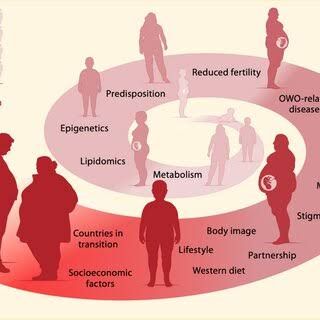
Lifestyle factors such as obesity, unhealthy diets high in industrially processed foods, smoking, and physical inactivity are contributing to a rise in diabetes cases in Uganda, health experts warn.
“Ultra-processed food and heavy alcohol use are key drivers of diabetes. Heavy drinking can worsen blood sugar control and increase the risk of developing diabetes. Chronic lack of sleep is also a contributing risk,” said Dr. Fresera Bunjo Muyinga of Aga Khan University Hospital, Nakawa.


Dr. Muyinga made the remarks during a media dialogue at Aga Khan University Hospital, aimed at raising awareness about diabetes and other non-communicable diseases (NCDs). Aga Khan University (AKU) and its hospitals in Kampala are actively involved in nationwide diabetes awareness campaigns, screening, and treatment programs.
“Diabetes, once seen primarily as a condition affecting older adults, is now increasingly impacting younger Ugandans, often leading to severe complications due to late diagnosis and inadequate management,” said Dr. Fresera Bunjo Muyinga of Aga Khan University Hospital.
Diabetes refers to a group of diseases that result in high blood sugar. The condition can arise either because the pancreas does not produce enough insulin or because the body cannot use insulin effectively.

Type 1 diabetes, usually diagnosed in childhood, cannot be prevented and requires daily insulin treatment. Type 2 diabetes—the most common form—develops when the body becomes resistant to insulin or produces insufficient amounts. It is closely linked to factors such as obesity, poor diet, age, and lack of physical activity.
Gestational diabetes, which develops during pregnancy, usually resolves after childbirth.
According to a 2018 World Health Organization (WHO) report, diabetes was responsible for an estimated 11,341 deaths in Uganda. The report also noted that diabetes, together with cardiovascular diseases, accounted for more than 36 percent of deaths from non-communicable diseases (NCDs) and warned that the number of people living with diabetes in Uganda could double by 2040.

A subsequent WHO report in 2021 found that around 89 percent of Ugandans with diabetes were unaware of their condition and were not receiving treatment.
Uganda is now estimated to have more than 700,000 adults living with diabetes. “The cost of managing and treating Type 2 diabetes alone places a heavy financial burden on both the government and households, totaling an estimated Shs 2.2 trillion annually,” Dr. Fresera Bunjo Muyinga of Aga Khan University Hospital told The Observer.
She added that many patients struggle with the high cost and inconsistent availability of essential medicines, including insulin and testing supplies. In July 2025, the Ministry of Health, in partnership with the Uganda Diabetes Association, launched the country’s first comprehensive diabetes management guidelines to standardize care and address long-standing gaps in treatment.

Health experts say that prevention must now be prioritized alongside treatment. Measures include promoting healthier diets, encouraging regular exercise, and “cleaning up the food environment,” which is increasingly dominated by ultra-processed foods. Despite these efforts, some Ugandans continue to rely on traditional herbal remedies.
Invest or Donate towards HICGI New Agency Global Media Establishment – Watch video here
Email: editorial@hicginewsagency.com TalkBusiness@hicginewsagency.com WhatsApp +256713137566
Follow us on all social media, type “HICGI News Agency” .
 HICGI News Agency