
Updated by Faith Barbara N Ruhinda at 1243 EAT on Monday 1 December 2025

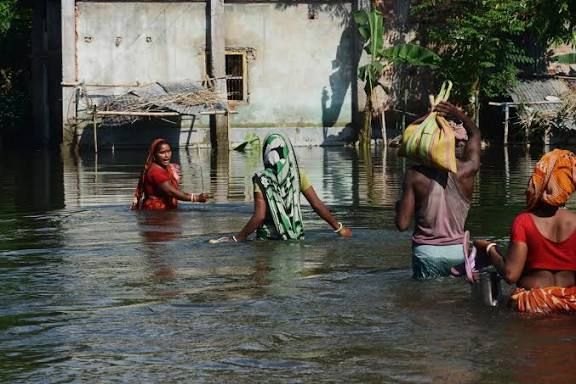
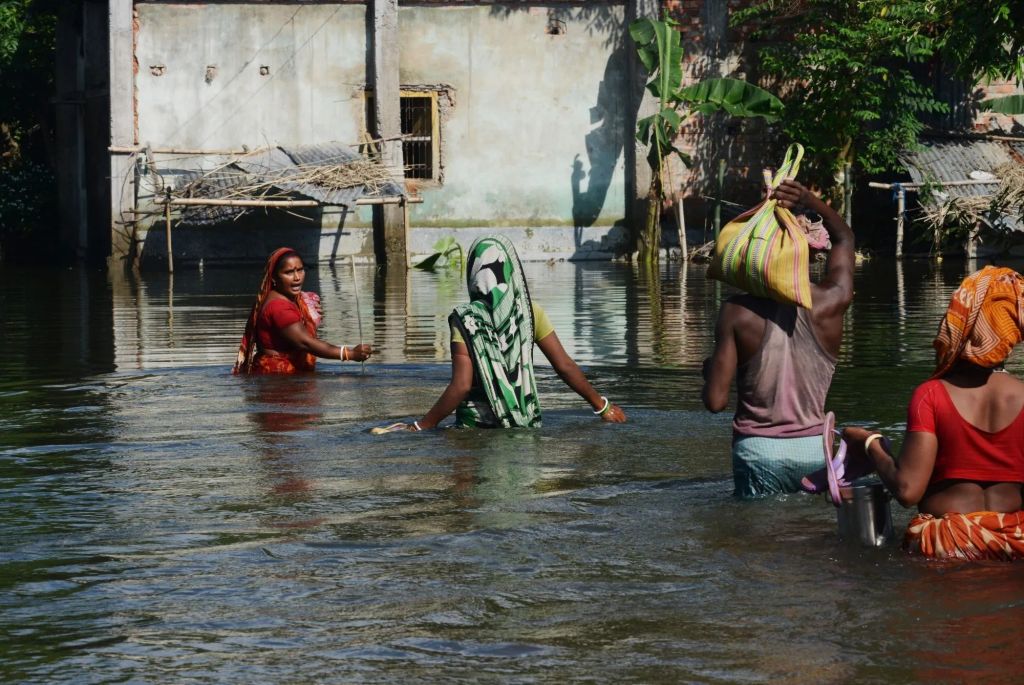
Flooding and landslides have killed at least 954 people across Indonesia, Sri Lanka, Thailand, and Malaysia in recent days, following a series of powerful tropical storms. Emergency crews are working to reach isolated communities and deliver assistance to the thousands displaced or otherwise affected by the extreme weather.
During a visit to North Sumatra on Monday, Indonesian President Prabowo Subianto said the government’s immediate priority was “to send the necessary aid as quickly as possible.”

“There are several isolated villages that, God willing, we can reach,” Prabowo said, noting that the government was deploying helicopters and fixed-wing aircraft to support the relief effort.
The president has faced mounting pressure to declare a national emergency amid flooding and landslides that have killed at least 442 people, with hundreds more still missing. Unlike his Sri Lankan counterpart, Anura Kumara Dissanayake, Prabowo has so far refrained from publicly requesting international assistance.
Indonesia has dispatched two hospital ships and three warships loaded with relief supplies to some of the worst-affected regions, where many roads remain cut off.

In Sungai Nyalo village, about 100km (62 miles) from the West Sumatran capital Padang, floodwaters had largely receded by Sunday, leaving homes, vehicles and fields coated in thick grey mud.
“Most villagers chose to stay; they didn’t want to leave their houses behind,” said Idris, 55, who, like many Indonesians, uses a single name, speaking to AFP.
Sri Lanka’s disaster agency said on Sunday that at least 334 people have been killed, with many more still missing.
The Sri Lanka Air Force reported that a helicopter pilot “tragically lost his life” while attempting an emergency landing during a mission to assist flood-affected communities in Lunuwila, north of Colombo. The incident was announced in a Facebook post on Monday.

Officials said the full extent of the destruction in the hardest-hit central region is only now emerging as relief crews work to clear roads blocked by fallen trees and mudslides.
President Anura Kumara Dissanayake, who has declared a state of emergency, vowed to rebuild in the wake of what he described as an unprecedented catastrophe.
“We are facing the largest and most challenging natural disaster in our history,” Dissanayake said in a national address. “Certainly, we will build a better nation than what existed before.”
Thai authorities said on Monday that the death toll from severe flooding in the country’s south has risen to at least 176 people.

The government has announced a series of relief measures, but public criticism of its response has been growing. According to AFP, two local officials have been suspended over alleged failures in handling the crisis.
Across the border in Malaysia, heavy rains also inundated large areas of Perlis state, leaving two people dead.
This week’s floods and landslides mark the latest bout of extreme weather to strike Southeast Asia, compounding weeks of devastation across the region. The disasters come on the heels of two powerful typhoons that swept through the Philippines last month, leaving at least 242 people dead.

In Indonesia, Thailand and Malaysia, flooding was worsened by an unusual tropical storm that brought intense downpours, with Sumatra bearing the brunt of the rainfall.
Experts warn that climate change is fuelling more severe storms and increasing the likelihood of intense rainfall events as warmer air is able to retain greater amounts of moisture.
Reporting based on information from Al Jazeera.
Invest or Donate towards HICGI New Agency Global Media Establishment – Watch video here
Email: editorial@hicginewsagency.com TalkBusiness@hicginewsagency.com WhatsApp +256713137566
Follow us on all social media, type “HICGI News Agency” .
 HICGI News Agency