
Updated by Faith Barbara N Ruhinda at 1628 EAT on Thursday 18 December 2025
Aquaculture — the farming of fish and other aquatic organisms — is the world’s fastest-growing food production sector.
Africa has seen the sharpest growth, with average annual increases in production value exceeding 10 percent in recent years. Over the past decade, aquaculture in Lake Victoria, shared by Kenya, Uganda, and Tanzania, has evolved from a small-scale activity into a large and diverse commercial industry.

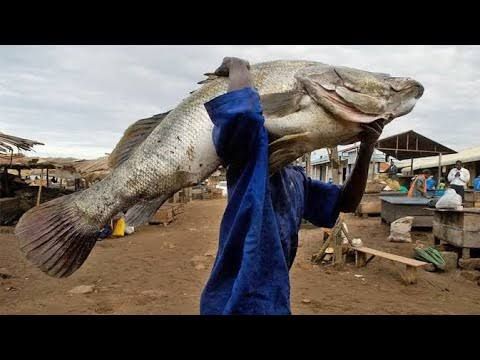
Lake Victoria is the world’s second-largest freshwater lake by surface area. Cage aquaculture, in which fish are raised in netted frames, has expanded rapidly across the lake. Most cages are stocked with Nile tilapia, and the number of fish per cage can range from tens of thousands to hundreds of thousands.
In Kenya alone, cage aquaculture accounts for roughly 25 percent of the country’s fish production. Across the lake’s basin, these farms provide vital nutrition and livelihoods for more than 40 million people.

We also conducted a rapid-response investigation of a mass tilapia mortality event, alongside disease surveillance and testing for antimicrobial resistance in identified bacterial pathogens.
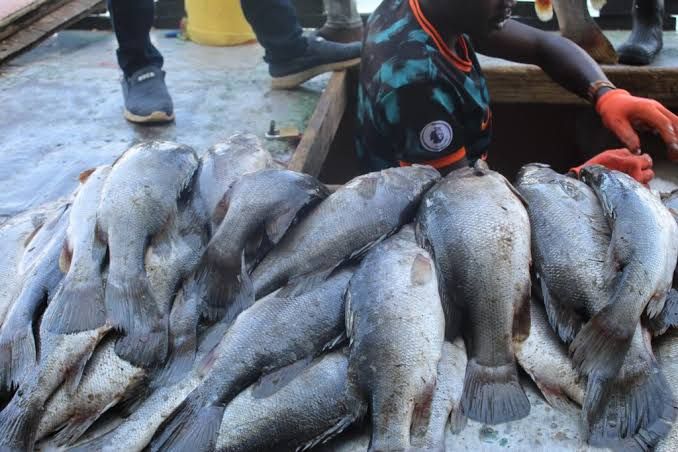
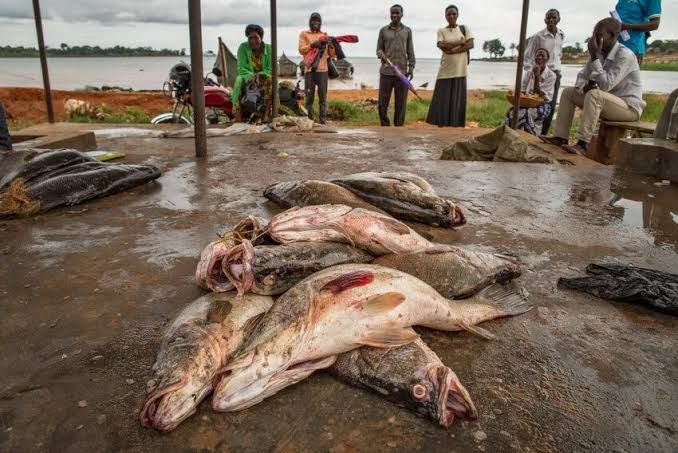
Between 2020 and 2023, farmers in our study reported 82 large-scale fish kill events in Lake Victoria, resulting in the deaths of more than 1.8 million tilapia. These events had significant economic impacts, yet reporting and treatment were limited.
Only 39% of farmers notified relevant Kenyan authorities, including the Kenya Marine and Fisheries Research Institute, the Kenya Fisheries Service, and county fisheries offices. Just 17% attempted any form of treatment, which usually involved adding salt to the water without obtaining a proper diagnosis. This highlights gaps in reporting systems and access to fish health services.

Farmers primarily attributed fish deaths to poor water quality. Nearly 90% noted links to changes in water colour and smell, high temperatures, or algal blooms. Harmful algal blooms occur when phytoplankton — microscopic aquatic organisms — rapidly multiply and then decompose. These blooms release toxins and can sharply reduce dissolved oxygen levels, leading to fish deaths and posing risks to human health if contaminated fish are consumed or water is used.

In Lake Victoria, harmful algal blooms are largely driven by industrial runoff and the overuse of fertilisers. A smaller number of farmers also cited human activities, including stocking, handling, or pollution. Very few associated fish mortalities directly with disease, likely reflecting limited training in recognising clinical signs of infection.
Our rapid-response investigation of a major fish kill in Busia County reinforced these findings. On arrival, we observed discoloured, foul-smelling water, floating dead molluscs, and low dissolved oxygen levels — conditions typical of harmful algal blooms. From freshly deceased tilapia, we isolated three bacterial pathogens: Aeromonas jandaei, Enterobacter hormaechei, and Staphylococcus epidermidis.

These opportunistic pathogens typically cause disease secondary to a primary stressor, such as poor water quality or rough handling. This study marks the first successful identification of bacterial pathogens from a fish kill in Lake Victoria.
(The Observer) Our research found that bacterial pathogens in tilapia were more commonly detected in cage farms with clogged nets, likely because reduced water circulation worsens cage water quality.
Antimicrobial resistance testing also revealed resistant strains among the bacterial samples. These findings can help veterinarians and policymakers make informed decisions about the use of antimicrobials in aquaculture.
Invest or Donate towards HICGI New Agency Global Media Establishment – Watch video here
Email: editorial@hicginewsagency.com TalkBusiness@hicginewsagency.com WhatsApp +256713137566
Follow us on all social media, type “HICGI News Agency” .
 HICGI News Agency