
Updated By Faith Barbara N Ruhinda at 1406 EAT On Wednesday 24 December 2025
Ahmed Aboul Gheit, the Secretary-General of the Arab League, has expressed strong support for a peace plan presented by Sudanese Prime Minister Kamil Idris to the United Nations Security Council earlier this week.
In a statement on Wednesday, Gheit affirmed that the 22-member Arab League fully endorsed the initiative, which calls for an immediate ceasefire and international monitoring of the ongoing conflict in Sudan. He praised the plan’s “highly significant political, humanitarian, and security messages,” and urged all parties to engage positively with the proposal.

The peace plan is seen as a crucial step towards addressing Sudan’s escalating crisis, with hopes that global cooperation and monitoring can help bring about a lasting resolution.
Sudanese Prime Minister Kamil Idris presented a “homegrown” peace plan to the United Nations Security Council (UNSC) on Monday, distancing it from previous truce proposals backed by the so-called Quad—comprising the United States, Saudi Arabia, Egypt, and the UAE. Idris emphasized that his government’s initiative was crafted by Sudanese leaders themselves, and not “imposed from outside,” as he referenced earlier peace efforts endorsed by international powers.

Key elements of the proposal include the withdrawal of the paramilitary Rapid Support Forces (RSF), which has been in conflict with Sudan’s military since April 2023. Idris made it clear to the UNSC’s 15 members that a truce would be “doomed to failure” unless the RSF was confined to camps and disarmed.
However, the plan has been met with strong resistance from the RSF. Al-Basha Tibiq, an adviser to the RSF commander, rejected Idris’s proposal, calling it “closer to fantasy than to politics.” In a statement posted on the RSF’s official Facebook page, Tibiq argued that the proposal amounted to a “recycling of outdated exclusionary rhetoric,” asserting it was indistinguishable from the stance of Sudan’s military chief, General Abdel-Fattah al-Burhan.

The ongoing conflict between the RSF and Sudan’s military has led to widespread violence and displacement, and efforts for a lasting peace have faced numerous obstacles. While the Arab League has voiced support for the Sudanese government’s peace initiative, the plan’s prospects for success hinge on overcoming entrenched political divides and securing buy-in from all key factions.
Sudanese military leader General Abdel-Fattah al-Burhan previously rejected the Quad’s proposed humanitarian truce, citing what he described as a bias in favor of the paramilitary Rapid Support Forces (RSF) due to the involvement of the United Arab Emirates (UAE) in the initiative. Al-Burhan argued that the UAE’s participation in the Quad made the plan inherently partial, siding with the RSF at the expense of Sudan’s military.

The UAE has consistently denied allegations that it is arming or funding the RSF, a claim that has sparked significant tension between the two sides. In March, the UAE strongly rebuffed Sudan’s attempt to file a case against it at the International Court of Justice, dismissing the charges as a “cynical publicity stunt.”
This ongoing dispute reflects the complex geopolitical dynamics surrounding Sudan’s internal conflict, with external powers, including the UAE, playing a significant role in the broader regional power struggle.
In October, the Rapid Support Forces (RSF) captured the city of el-Fasher in Sudan’s western Darfur region after an 18-month siege, which cut off residents from vital supplies such as food, medicine, and other essential goods. The paramilitary group has been accused of committing mass killings, kidnappings, and widespread acts of sexual violence during its takeover of the city.
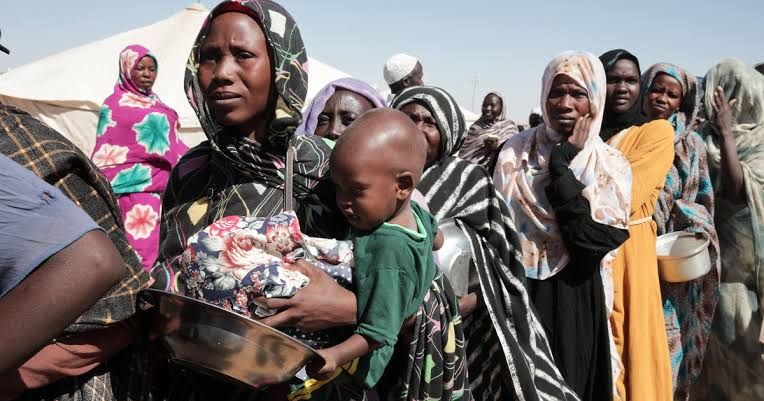
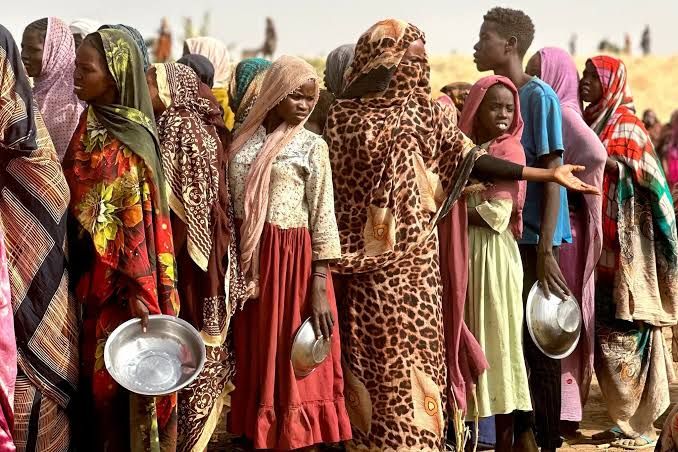
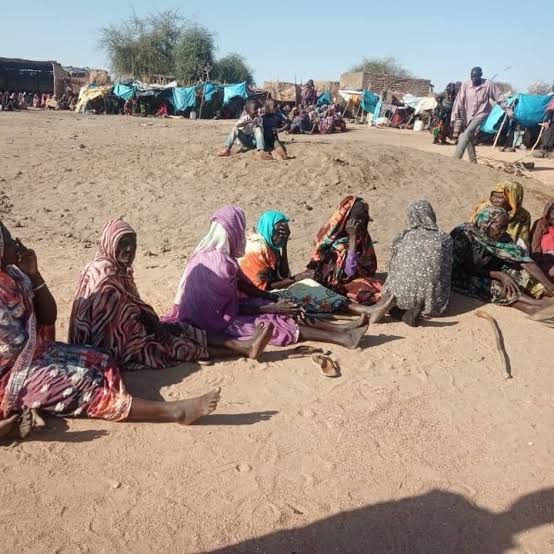
As fighting continued to escalate, Sudanese Prime Minister Kamil Idris presented his peace plan to the United Nations Security Council (UNSC), urging global support. Meanwhile, the RSF claimed to have regained control of the strategic town of Alouba, located in the Kordofan region, prompting further displacement. Thousands of people are fleeing the violence, with Sudanese officials reporting that 1,700 individuals have sought refuge in White Nile state, east of Kordofan. Many of the displaced are heading toward the city of Kosti, already home to about two million refugees and displaced people.

Al Jazeera’s Mohamed Vall, reporting from Kosti, described the city as “under amazing, huge stress” as it struggles to accommodate the influx of new arrivals. “There is a lack of basic facilities for these people, and the authorities are calling on the international community and aid organizations to step in, particularly as funding cuts to UN aid programs in Sudan exacerbate the crisis,” Vall noted.
In other developments, the Sudanese army reported that it had destroyed an RSF convoy in North Darfur, while also confirming two people were injured in paramilitary shelling of two areas in Kadugli, South Kordofan.
Amid the worsening violence, the US deputy ambassador to the UN, Jeffrey Bartos, addressed the UNSC, urging both warring parties to accept the Quad’s proposal for a humanitarian truce. UAE Ambassador Mohamed Abushahab, a member of the Quad, expressed that there was an immediate opportunity to implement the truce and provide essential aid to Sudanese civilians caught in the crossfire.
Source: Al Jazeera
Invest or Donate towards HICGI New Agency Global Media Establishment – Watch video here
Email: editorial@hicginewsagency.com TalkBusiness@hicginewsagency.com WhatsApp +256713137566
Follow us on all social media, type “HICGI News Agency” .
 HICGI News Agency