

By Ambassador Rosa Malango
Special Presidential Envoy on Tourism and Trade, State House
For centuries, estimated at over 6,000 years, the Ankole Longhorn cattle have been the silent custodians of our history, highly valued symbols in African communities. With their majestic, sweeping horns and regal stature, they are more than just livestock; they are a living masterpiece of Ugandan heritage, a source of inspiration, wealth and joy. However, in the modern global marketplace, heritage alone is not enough to sustain a community or grow a nation’s GDP. To transform this cultural icon into an inter-generational symbol and a global powerhouse, we must move beyond the pasture. We must embrace a sophisticated branding and merchandising strategy that enables us to link our tradition to every aspect of life and transform it into a premium global brand.
The Power of the “Ankole” Heritage Brand
The Ankole cattle and its associated traditions, represent a unique “Value Proposition” in a world increasingly fatigued by mass production, and seeking for authenticity, sustainability, and products with a soul. The Ankole heritage brand sits at the intersection of these trends as a catalyst for the emergence of African-centric tourism, trade and more.
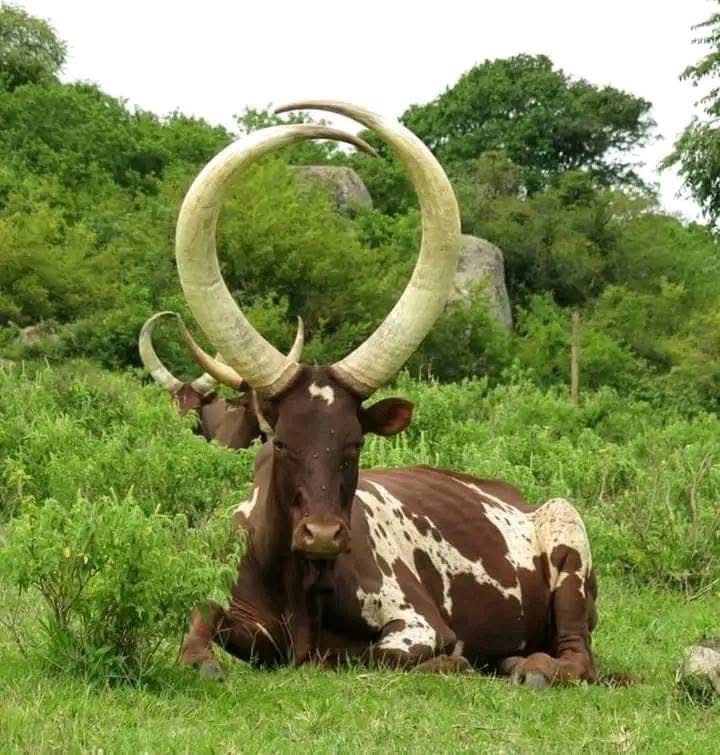
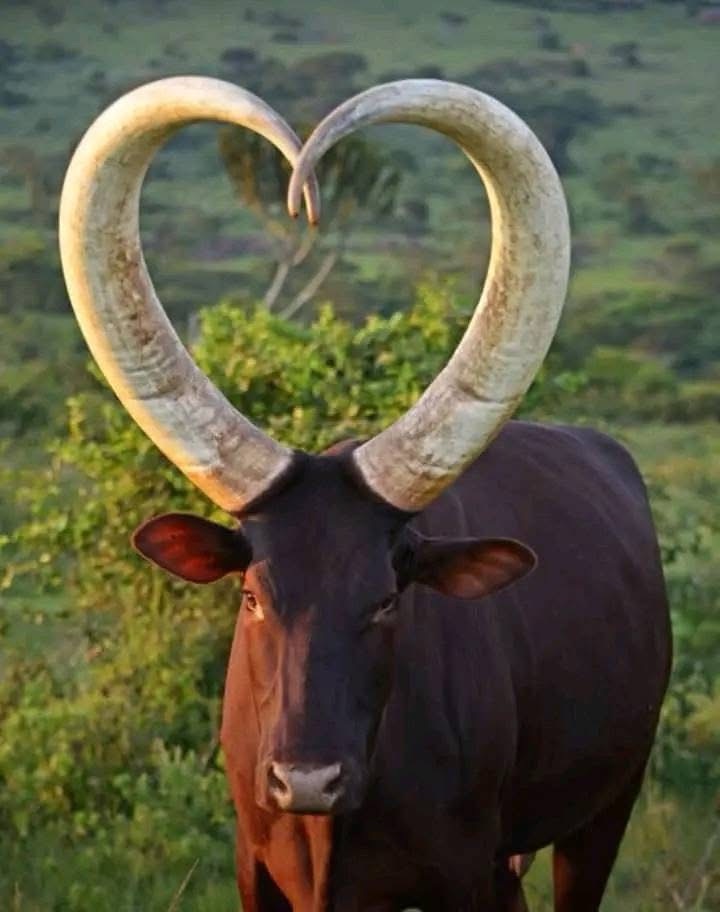
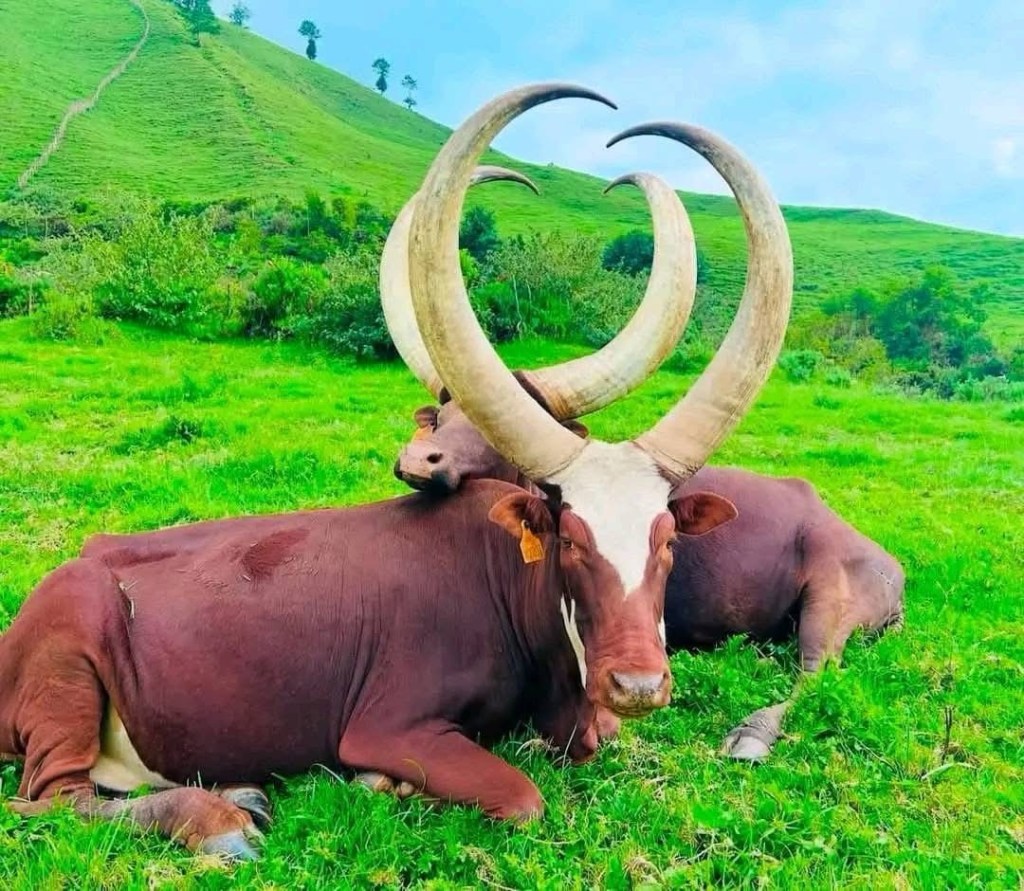
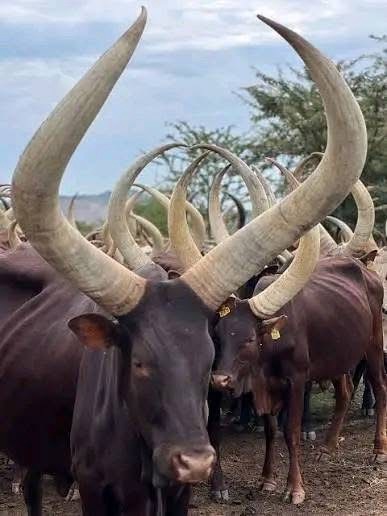
Currently, much of the value of the Ankole cow is lost at the farm gate. We sell milk and beef as commodities, subject to the whims of fluctuating market prices and have only just begun to create eco-tourism lodges that enable visitors to immerse themselves in the traditions associated with raising of these amazing Ankole cattle. When you hear the words Ankole cow, what comes to mind? How do we share knowledge about the Ankole cattle across generations and nationalities? What type of research have we undertaken to investigate additional possible value addition activities linked to the Ankole cow? Do we have sports teams, clothing lines, airplanes, schools or hospitals named after these unique cattle? A merchandising strategy changes the narrative by focusing on heritage, value additionand brand storytelling. It shifts our focus from selling “parts” to inviting the world to experience a “legacy.”
A Legacy You Can Carry
A successful tourism destination is more than a place you visit, it is a goal you share with loved ones and a brand you take home with you. By developing a strategic line of merchandise, we ensure that the Ankole legacy lives on in the daily routines of children, teenagers, and adults regardless of location around the world.

• For citizens and those who call Uganda home: Learning about iconic locations, sites and livestock which have been part of our communities is important for current efforts to promote heritage tourism as well as inclusive and indigenous economic growth. We can incorporate museums into industrial parks which are part of the Ankole cattle value chain. We can promote Ankole branded sites, tournaments, products, sports teams, airplanes, airports and more.
• For the Next Generation: Imagine school-aged children carrying backpacks adorned with stylized Ankole motifs, toys and cartoons that convey the interface between humans and the Ankole cow, while wearing educational T-shirts or hoodies that tell the story of our pastoral cultureand the cattle’s centuries old existence in Africa. Imagine career day presentations, school awards and school busesfostering pride in our heritage from a young age.

• For the Youth and Modern Traveler: Teens and young adults are the greatest brand ambassadors in the digital ageand are critical stakeholders in the transfer of knowledge across generations. High-quality, culturally inspiredapparel, music, films and accessories allow them to “wearand experience” their heritage, turning every street corner into a promotional platform for the Ankole heritage brand,as a unique entry point to Explore Uganda.
Building the Value Chain: Beyond the Basics
Our strategy must represent our cycle of life and go further than apparel. To make the Ankole heritage a sustainable tourism brand, we must integrate it into overviews of sustainable practices in key economic sectors. We also need to link relevant content to the education sector, brand recognition to the manufacturing industries and the fast-moving consumer goods sector. The “Ankole Brand” should be synonymous with heritage, resilience, innovation and the Nile. A robust merchandising strategy for the Ankole Heritage Brand involves a multi-sectoral approach to manufacturing and product development:
Sustainable Agro-Tourism: Merchandising isn’t just about physical goods it’s also about the “experience.” Developing “The Ankole Trail” would allow tourists to immerse themselves into the Ankole heritage lifestyle, engage in adventure related activities, create transferable memories, and purchase branded merchandise that carry the story of each visitor’s journey and experience back home whether home is within Uganda, Africa or beyond.
Organic Gastronomy: Part of the experience of the Ankole Trail must include the opportunity to “taste” our heritage. Wemust brand Ankole beef, Eshabwe (ghee sauce), milk and dairy products as premium, organic delicacies and offer them at premium hospitality locations, supermarkets as well as at community centered lodges and tourism sites. Like Wagyu beef or French champagne, “Ankole beef, milk or more” should be a protected geographical indication that commands a premium price in global capitals and enhances the wealth of our cattle keepers.

Artisanal Horn-ware: The iconic horns, often discarded or sold for a pittance, are raw material for high-end home decor, jewelry, and functional art.1 A focused strategy connects local artisans with domestic, regional and international markets to create export-ready products.
Products, sporting teams and other brands: Using branding that reflects the pristine landscapes of the Ankole region we can design brands for sport teams, stadiums, sportswear, water, juice and more.
Luxury Leather & Fashion: The hide of the Ankole cow is distinct. By investing in high-quality tanneries, we can position Ankole leather as the latest high quality fine leather products on the global stage sharing space with the finest Italian leathers, while creating a “Made in Uganda” line of luxury bags, footwear, and apparel linked to our Ankole heritage brand.
These are examples of products that can serve as “brand ambassadors” both at home and abroad. Every time a consumer picks up a bottle of water, a carton of milk, a bottle of juice, a pack of rice or a t-shirt branded with the Ankole legacy, they are being invited to visit the source, the home of the Ankole cattle. This is the “product innovation”, “strategic marketing” and “global positing” that as Special Presidential Envoy for Tourism and Trade, I am offering as a strategic collaboration initiative with UTB and the Destination Ankole stakeholders. Together we can champion the Ankole Heritage Brand as a sustainable tourism offer that can ensure inclusive development among communities in the Ankole Trail by focusing on merchandising, production and marketing.
Why A Brand Strategy Matters Now
Without a robust Ugandan-based merchandising strategy, we risk “Brand Piracy,” where foreign entities capitalize on our heritage while our farmers and others in the value chain remain in poverty. A national merchandising strategy ensures:
❖ Diversification of Products and job creation: Ensuring a new range of products developed by or named after the Ankole brand while increasing awareness of jobs along the value chain in design, marketing, sports promotion, logistics and manufacturing.
❖ Quality Control: Standardizing products to meet national consumption and international export requirements.
❖ Intellectual Property Protection: Ensuring the “Ankole” name and imagery are protected, and their use benefit the Ugandan people.
The future – Beyond the Ankole Cow: A Way of Life
I wish to convey my heartfelt congratulations to UTB fororganizing the Ankole Cattle Heritage and Business Dinnerrecently and convey my apologies for missing the event. I promised to share my views in writing, so here we are. The dinner was an opportunity to reflect on the potential ecosystem we can establish surrounding the Ankole Cow and exchange on the opportunities to focus on the human story, the communities and history as a foundation for a modern merchandising and marketing strategy. The Ankole cattle are the centerpiece of our much-needed merchandising strategy. The heritage belongs to the people, the keepers of the traditions, the crafters of the milk pots, and the protectors of the land. Now imagine all of this being part of our daily lives.

By creating merchandise that ranges from functional daily items to premium lifestyle brands, we create a sustainable economic loop that ensures community participation and heritage conservation as a source of wealth and a global beacon.Therefore, the transition from Pasture to Legacy requires strategic partnerships between the government, the private sector, and cultural custodians. We must view our heritage through the lens of modern commerce without losing its sacred essence and role in nurturing confident citizens.
As we position Uganda as a top-tier destination for sustainable trade and tourism, the Ankole Heritage Brand serves as a potential “Flagship” that can lift communities while increasing the number of visitors and ensuring that every curve of an Ankole horn and every drop of its milk contribute to the sustainable prosperity of our nation.
The world is ready for the Ankole Heritage Story. It is time we packaged it with the excellence it deserves.
 HICGI News Agency