
Updated by Faith Barbara N Ruhinda at 1618 EAT on Friday 26 December 2025
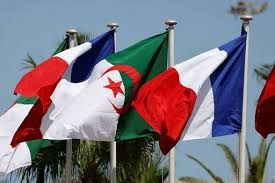
Algeria’s parliament has unanimously passed a bill declaring France’s colonisation of the country a crime.
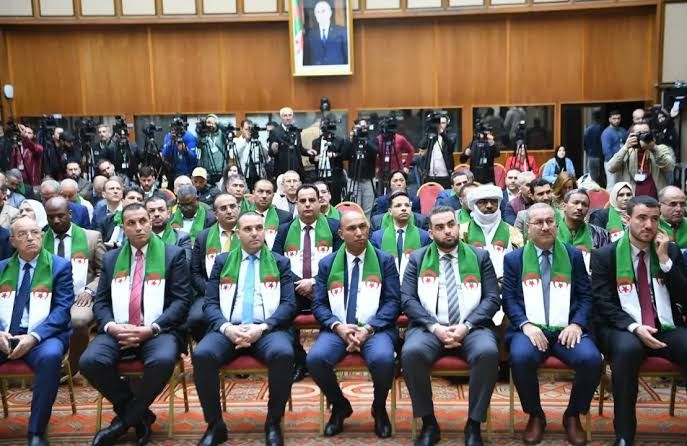
On Wednesday, lawmakers approved the legislation amid scenes of high emotion, standing in the chamber draped in scarves bearing the national colours and chanting “Long live Algeria.”

Parliament also formally demanded an apology and reparations from Paris, a move aimed at challenging what lawmakers described as attempts to sideline the issue.
The law assigns France “legal responsibility for its colonial past in Algeria and the tragedies it caused,” placing historical accountability at the centre of the country’s legal framework.
While analysts note that the legislation carries no enforceable international legal weight, they say its political significance is considerable, signalling a shift in how Algeria engages France on issues of colonial memory.

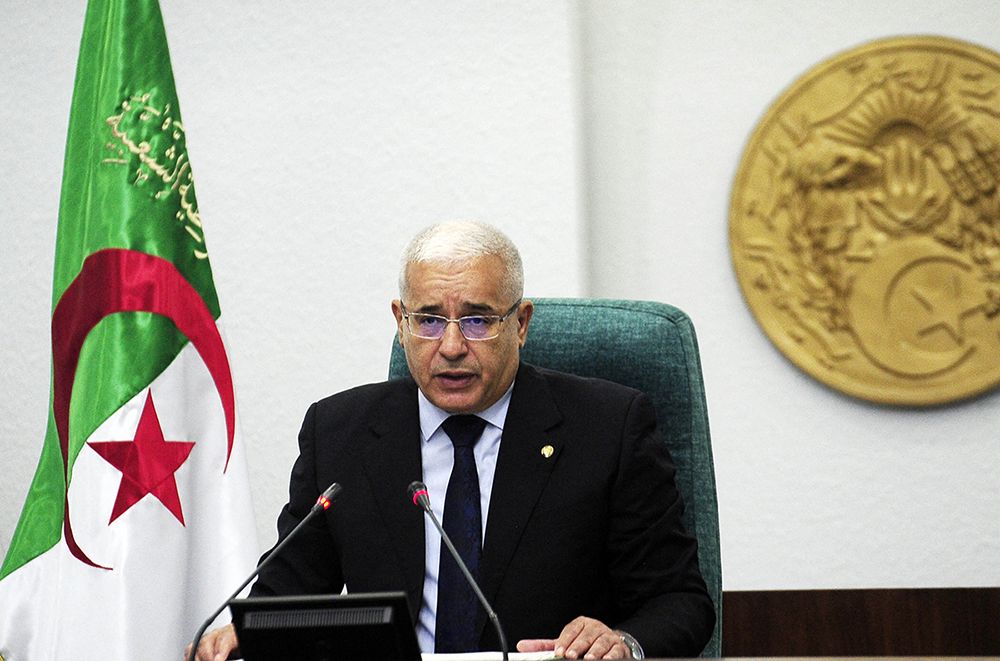
Parliament Speaker Ibrahim Boughali said the law sends “a clear message, both internally and externally, that Algeria’s national memory is neither erasable nor negotiable,” according to the state-run APS news agency.
The legislation catalogues crimes committed during French colonial rule, including nuclear tests, extrajudicial killings, physical and psychological torture, and the systematic plundering of resources.
It further states that “full and fair compensation for all material and moral damages caused by French colonisation is an inalienable right of the Algerian state and people.”

France ruled Algeria from 1830 to 1962 through a system marked by torture, extrajudicial killings, massacres, economic exploitation, and the large-scale marginalisation and deportation of the country’s indigenous Muslim population.
The war of independence between 1954 and 1962 left deep and lasting scars, with Algeria estimating that 1.5 million people died during the conflict.
President Emmanuel Macron has described the colonisation of Algeria as a “crime against humanity” but has consistently declined to issue a formal apology, stating in 2023: “It’s not up to me to ask forgiveness.”

Last week, French Ministry for Europe and Foreign Affairs spokesperson Pascal Confavreux declined to comment on Algeria’s parliamentary vote, saying he would not participate in “political debates taking place in foreign countries.”
Hosni Kitouni, a researcher of colonial history at the University of Exeter, told AFP that although the law carries no binding effect on France, “its political and symbolic significance is important: it marks a rupture in the relationship with France in terms of memory.”
The legislation comes amid heightened diplomatic tensions between the two countries. While Algeria and France maintain ties, particularly on migration, the vote underscores growing friction in their bilateral relations.
Tensions between Algeria and France have been high for months, following Paris’ recognition of Morocco’s autonomy plan for resolving the Western Sahara conflict in July 2024. Western Sahara has experienced armed rebellion since Morocco annexed the territory after the departure of colonial power Spain in 1975.

Algeria supports the Sahrawi people’s right to self-determination and backs the Polisario Front, which rejects Morocco’s autonomy proposal.
In April, relations further deteriorated when an Algerian diplomat and two Algerian nationals were arrested in Paris. The diplomatic crisis unfolded barely a week after French President Emmanuel Macron and Algerian President Abdelmadjid Tebboune had pledged to revive bilateral dialogue.
Source: Al Jazeera
Invest or Donate towards HICGI New Agency Global Media Establishment – Watch video here
Email: editorial@hicginewsagency.com TalkBusiness@hicginewsagency.com WhatsApp +256713137566
Follow us on all social media, type “HICGI News Agency” .
 HICGI News Agency