
Updated by Erick Kikomeko at 1226 EAT on Wednesday 21 January 2026
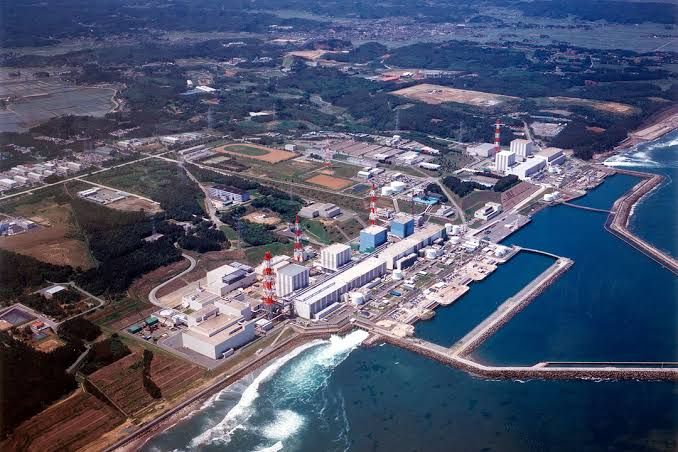
Japan is set to restart the world’s largest nuclear power plant, marking a return to nuclear energy more than 15 years after the Fukushima disaster triggered a nationwide reactor shutdown.
Tokyo Electric Power Co (TEPCO) said on Wednesday it was “proceeding with preparations” to resume operations at the Kashiwazaki-Kariwa plant in Niigata prefecture, with a restart planned for 7pm local time (10:00 GMT). The move, however, continues to face scrutiny amid lingering safety concerns.


Public trust in Japan’s nuclear energy sector was shattered by the 2011 Fukushima disaster, when a massive earthquake and tsunami triggered triple reactor meltdowns at a TEPCO-operated plant.
Only one of the seven reactors at the Kashiwazaki-Kariwa facility is scheduled to be restarted on Wednesday. Once fully operational, the plant would have a generating capacity of 8.2 gigawatts — enough to supply electricity to millions of households.
The Kashiwazaki-Kariwa plant spans about 4.2 square kilometres (1.6 square miles) along the coast of the Sea of Japan in Niigata prefecture.


Japan, which has faced delays in rolling out offshore wind power, is refocusing on nuclear energy as it seeks to bolster energy security and reduce its dependence on imported fossil fuels.
Kashiwazaki-Kariwa is the 15th nuclear plant to be restarted out of 33 reactors deemed operable. All 54 of Japan’s reactors were shut down in the aftermath of the 2011 Fukushima disaster.
Beyond restarting facilities that can be brought back online, Prime Minister Sanae Takaichi has also advocated the construction of new reactors. The government recently announced a state funding programme aimed at accelerating Japan’s nuclear power revival
The restart of the Kashiwazaki-Kariwa plant — which has been reinforced with a 15-metre (50-foot) tsunami wall and other safety upgrades — was delayed by a day after TEPCO detected an alarm malfunction. The utility said the issue has since been resolved.
Earlier this month, groups opposed to the restart submitted a petition to TEPCO and Japan’s Nuclear Regulation Authority bearing nearly 40,000 signatures, according to Al Jazeera.
The petition warned that the Kashiwazaki-Kariwa plant is located on an active seismic fault zone and was struck by a powerful earthquake in 2007.

“We can’t remove the fear of being hit by another unforeseen earthquake,” the document said. “Making many people anxious and fearful so as to send electricity to Tokyo … is intolerable.”
TEPCO President Tomoaki Kobayakawa told the Asahi Shimbun that safety was “an ongoing process,” adding that nuclear power operators must never be “arrogant or overconfident.”
The restart comes as Japan’s nuclear industry continues to grapple with a series of recent scandals and safety lapses, including revelations that Chubu Electric Power falsified data to underestimate seismic risks.
Invest or Donate towards HICGI New Agency Global Media Establishment – Watch video here
Email: editorial@hicginewsagency.com TalkBusiness@hicginewsagency.com WhatsApp +256713137566
Follow us on all social media, type “HICGI News Agency” .
 HICGI News Agency