
Updated by Erick Kikomeko at 1213 EAT on Thursday 22 January 2026
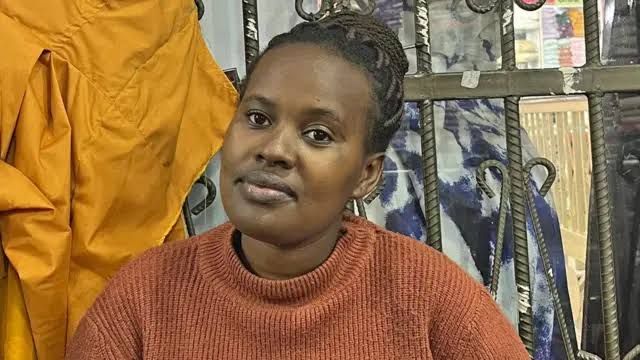
Mobile money agent Mirembe Tracy’s business in Kampala, Uganda’s bustling capital, was thrown into disarray when the government implemented an internet shutdown during last week’s highly contested general election.
“All withdrawals were disconnected,” Tracy tells the BBC, noting that she earns nearly all of her income from withdrawal commissions. Without this, her earnings came to a complete halt.


“In one week, I can make up to 450,000 Ugandan shillings (£96; $130). That’s what I rely on to pay my rent. Losing it was a huge setback,” she explains.
For two days surrounding the election, Tracy had no choice but to stay home. She was only able to sell prepaid airtime, which, as she points out, “doesn’t generate a commission.”
The internet shutdown was ordered by Uganda’s communications authority to “ensure peace, protect national stability, and prevent the misuse of communication platforms during a sensitive national exercise.”
However, the opposition accused the government of using the shutdown to conceal voter fraud and block its agents from sharing polling station results.
Regardless of the motivation, the shutdown disrupted many facets of daily life, leaving many businesses and individuals in limbo

Online businesses reliant on mobile money transactions were hit hardest by the internet blackout, with some coming to a standstill while others reverted to cash-based transactions.
Kampala, known for its ubiquitous boda boda (motorcycle) taxis, saw many operators suffer as well, with many depending on online ride-hailing apps for their income.
The co-founder of SafeBoda told local media that the platform’s entire server was down during the internet shutdown, leaving many riders off the road and other businesses dependent on the service unable to generate revenue.
Namukwaya Olivia, a seller of traditional cultural clothing who relies heavily on Instagram, TikTok, and WhatsApp to reach customers, says she was unable to make any deliveries during the blackout.
She tells the BBC that many of her customers typically request pictures before making a purchase, which became impossible during the internet shutdown.

“We could not send pictures, receive orders, or make deliveries,” says Namukwaya Olivia, a businesswoman affected by the internet blackout.
She adds that the impact was immediate, making it difficult to cover even basic costs.
“We couldn’t pay rent during that period,” she explains. “And even now, things haven’t fully recovered because customers are still struggling to access us online.”
For journalist Ngabo Amon, his smartphone—an essential tool for his work—became nearly useless.
“You have a phone, but there’s nothing to do with it,” he tells the BBC.
He was unable to research stories, follow election updates, or send material to his newsroom.
“Everyday life turned into anxious waiting, just hoping the internet would come back,” he says.
With online communication cut off, some households turned to television for entertainment, either watching live broadcasts or purchasing old, downloaded movies from local shops.
“People bought what they could afford, went back home, and just watched—because there were no other options,” Ngabo adds.
Credit to BBC
Invest or Donate towards HICGI New Agency Global Media Establishment – Watch video here
Email: editorial@hicginewsagency.com TalkBusiness@hicginewsagency.com WhatsApp +256713137566
Follow us on all social media, type “HICGI News Agency” .
 HICGI News Agency