
By Dr. Kivumbi Earnest Benjamin, L.H.D (Hon.)
ADDIS ABABA — The African Union (AU) Ministerial Session opened on Wednesday at the AU headquarters in Addis Ababa, Ethiopia, bringing together foreign ministers from across the continent to tackle pressing challenges and chart strategic directions for Africa’s development.
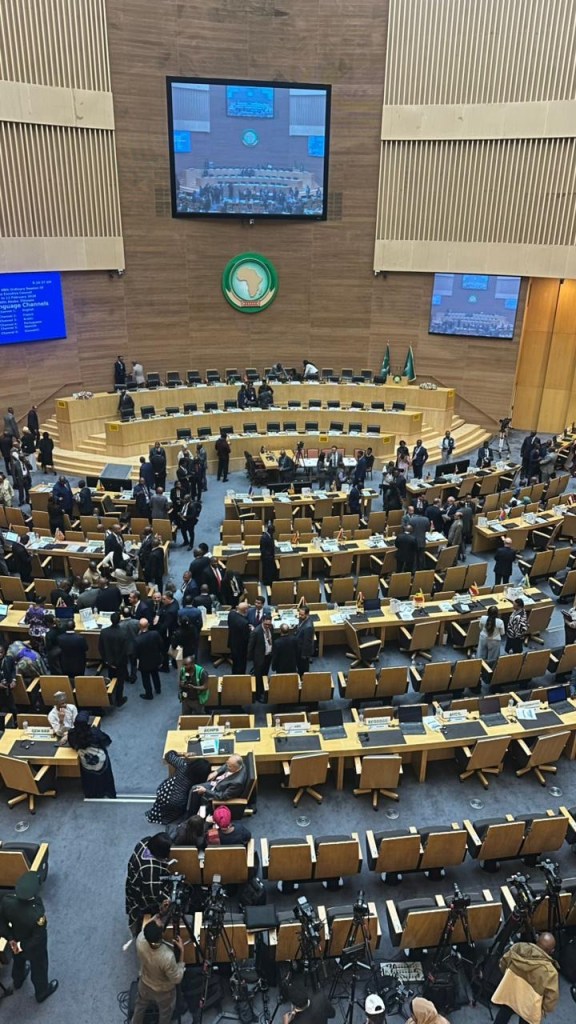
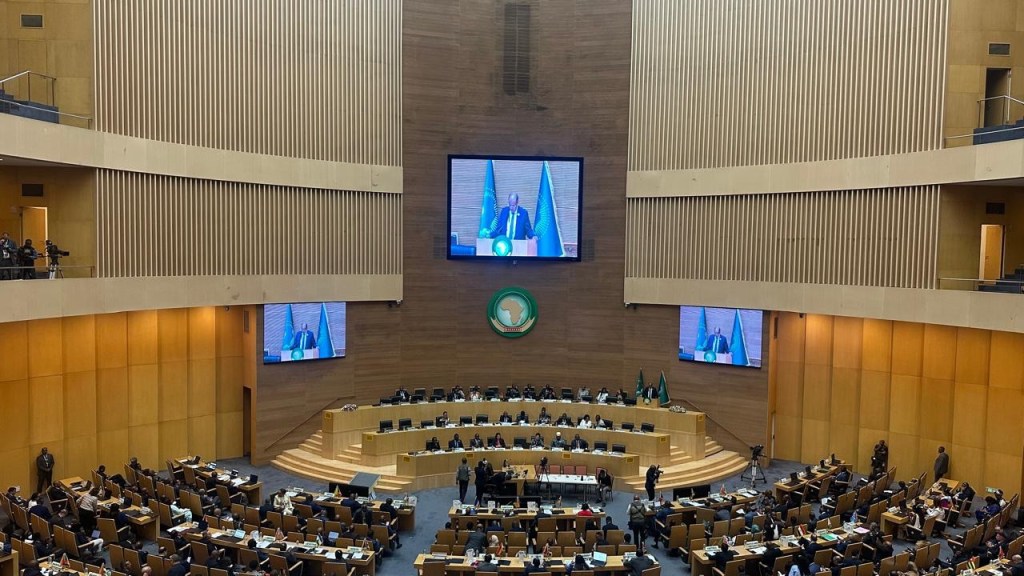
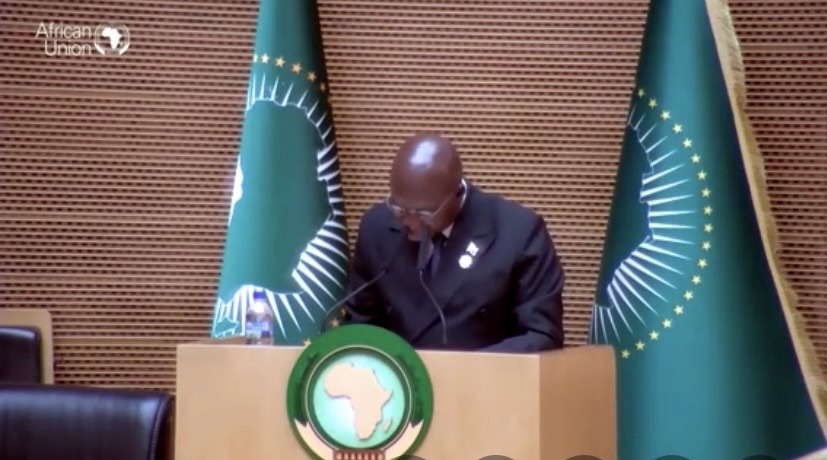
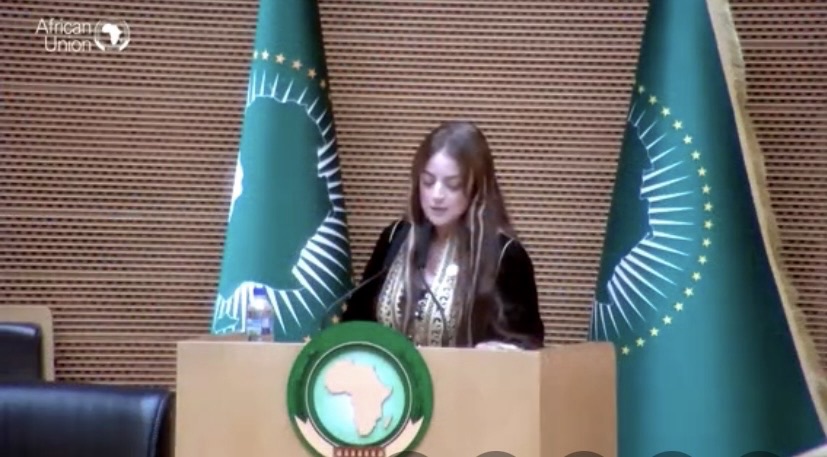
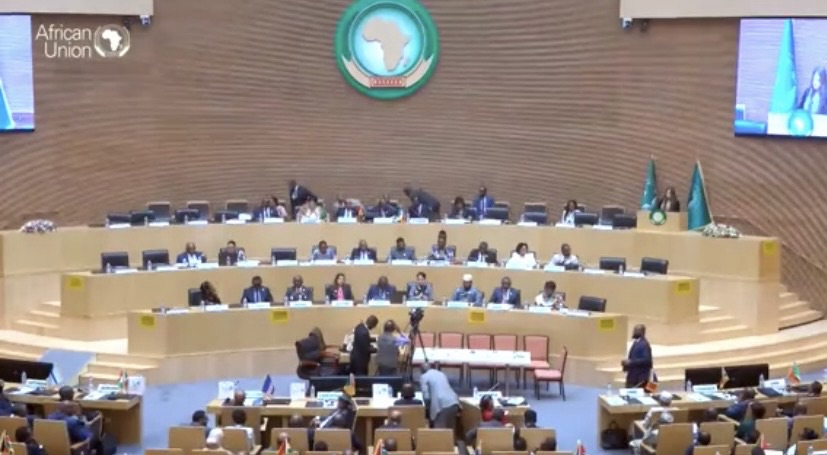
African Union Foreign Ministers attend the opening session of the AU Executive Council meeting at the AU Headquarters in Addis Ababa, Ethiopia, ahead of the Assembly of Heads of State and Government.
The meeting is part of the 48th Ordinary Session of the AU Executive Council, the body that reviews policy proposals and makes recommendations ahead of the 39th Ordinary Session of the AU Assembly of Heads of State and Government, scheduled to convene later this week.
Continental Priorities and Summit Themes
This year’s summit cycle is framed around the AU’s long-term development blueprint Agenda 2063 — “The Africa We Want,” with a particular emphasis on the theme for 2026: “Assuring Sustainable Water Availability and Safe Sanitation Systems to Achieve the Goals of Agenda 2063.” This focus highlights water security and sanitation as critical elements of sustainable economic growth and resilience in the face of climate change and demographic pressures.

Ahead of the ministerial meeting, foreign ministers from Malawi, Nigeria, Zambia, Congo and other member states arrived in Addis Ababa to participate in preparatory deliberations and bilateral meetings.
Background: AU Policy and Reform Agenda
The Executive Council is a key statutory organ of the AU that shapes the summit’s agenda, spanning peace and security, economic integration, climate action, governance, and institutional reform. Recent preparatory work by the AU’s Committee of Permanent Representatives helped crystallize these priorities, underscoring the Union’s efforts to move from dialogue to implementation on core continental challenges.
In the previous summit cycle, the AU adopted the theme “Justice for Africans and People of African Descent through Reparations,” reflecting a growing continental focus on addressing historical injustices and advancing equitable development. Leaders at that summit highlighted reparatory justice as both moral imperative and a platform for structural transformation.

Voices from the Summit
Foreign ministers and senior officials used the opening sessions to stress the importance of unity and coordinated action:
Mauritania’s Foreign Minister Mohamed Salem Ould Merzoug, who previously chaired the AU Executive Council, urged collective African solutions in the face of “global uncertainties and shocks,” noting that sustainable peace and development require stronger continental institutions. Ethiopian Foreign Minister Gedion Timothewos underscored that climate change, pandemics and transnational threats demand a united African response, with reinforced multilateral cooperation within the AU and with global partners.
From previous gatherings, AU Commission Chairperson H.E. Mahmoud Ali Youssouf has framed Africa’s strategic assets — including its youthful population, natural resources and growing intra-continental trade — as foundations for a future of “justice and prosperity,” while emphasizing that historical grievances “will not hold Africa hostage.”
What’s at Stake
Ministers are expected to refine draft decisions on peace and security, the African Continental Free Trade Area (AfCFTA), climate resilience, and institutional reforms, which will then be forwarded to the summit of heads of state for endorsement. The AfCFTA, in particular, remains central to economic integration plans aimed at boosting intra-African trade and reducing dependency on external markets.
As the session unfolds, side-line diplomacy and bilateral engagements are also shaping up as opportunities for member states to strengthen collaboration on shared priorities and reinforce Africa’s voice on the global stage.
 HICGI News Agency