
By Dr. Kivumbi Earnest Benjamin, L. H. D. (Hon.)
Kampala, Uganda — President Yoweri Kaguta Museveni on Saturday met with Malik Agar, Deputy Chairman of Sudan’s Transitional Sovereignty Council, for high-level discussions on the escalating situation in Sudan and the broader implications for regional stability.
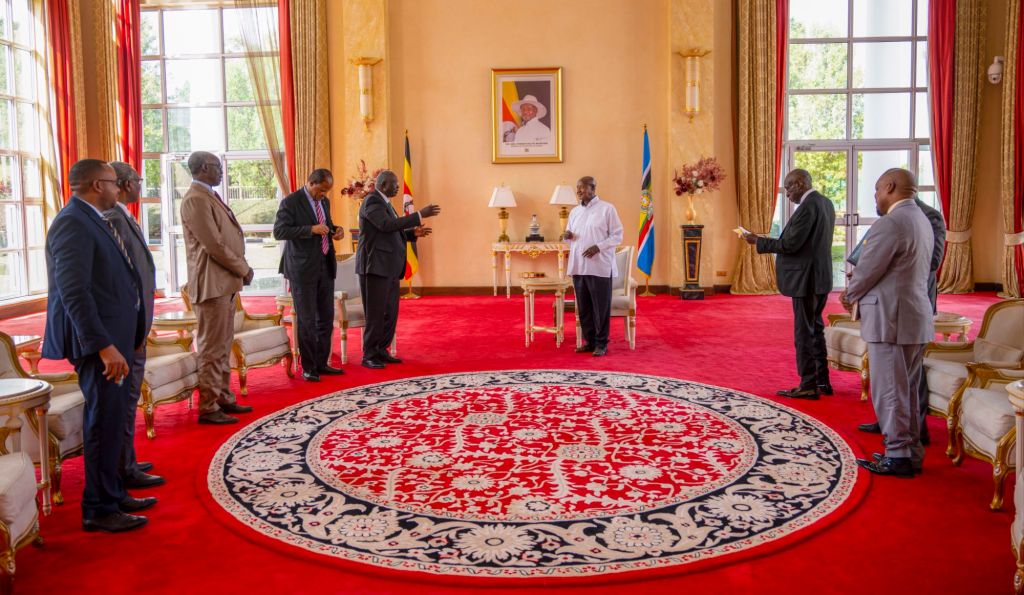
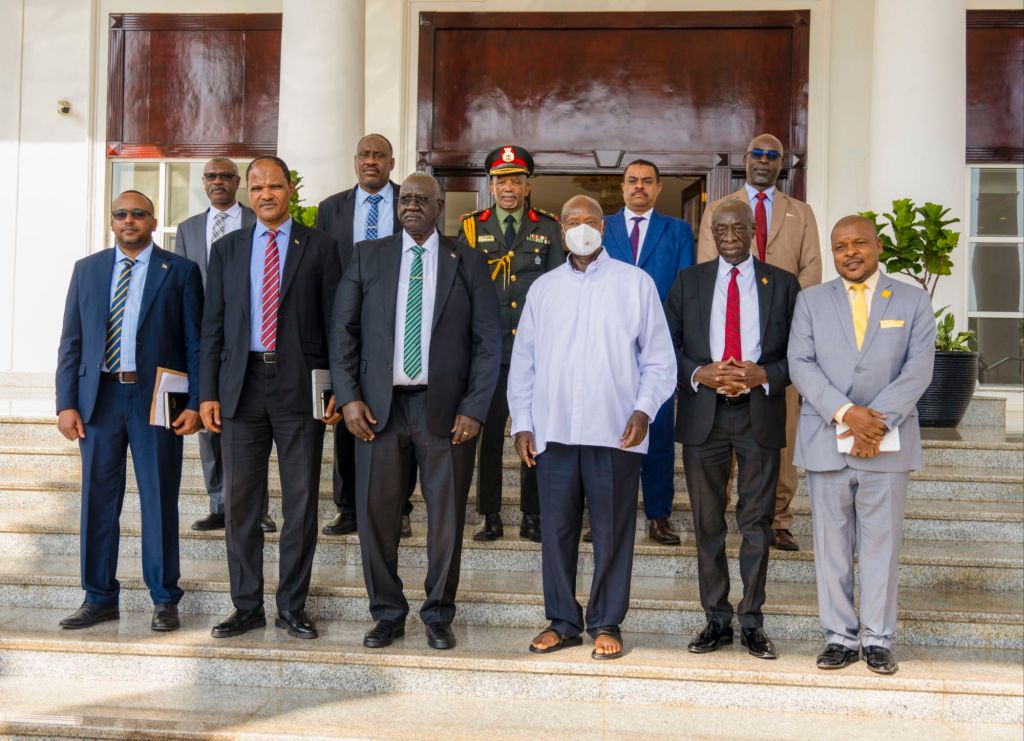
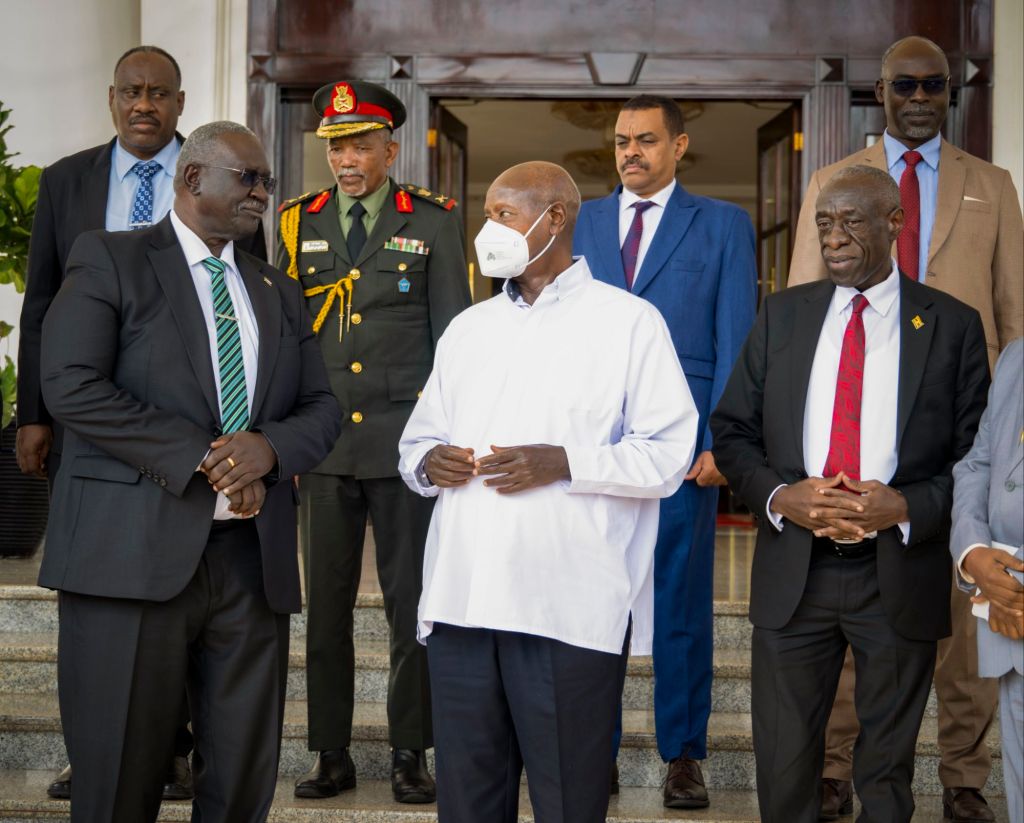
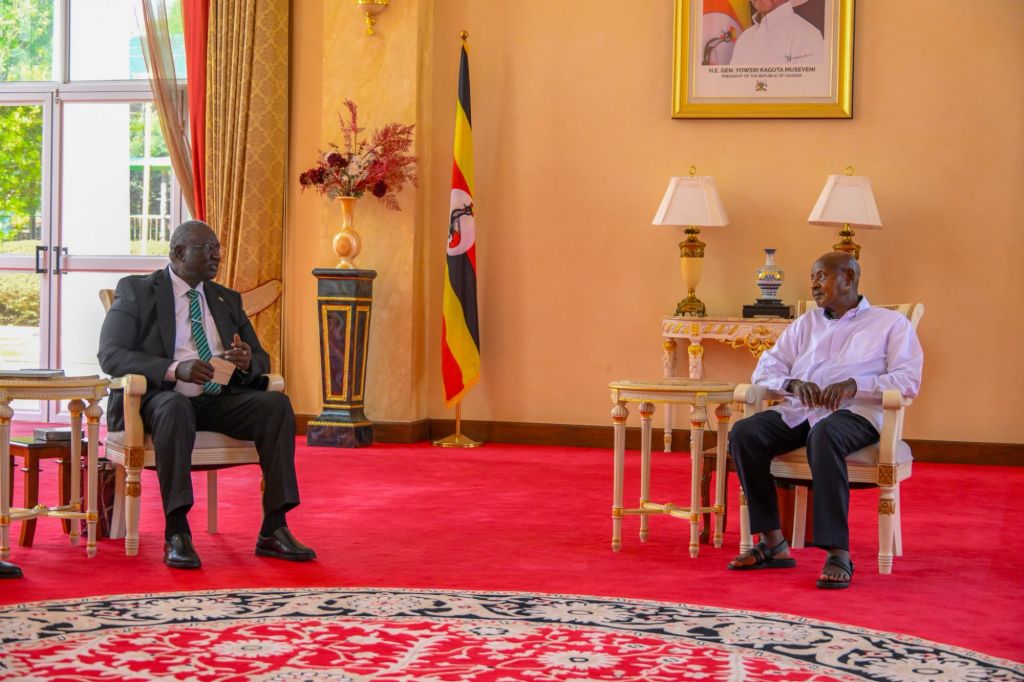
During the meeting, Agar briefed President Museveni on the latest security and political developments in Sudan, including ongoing efforts by national and regional stakeholders to restore order and chart a path toward lasting peace. The Sudanese official outlined the challenges facing the transitional leadership and emphasized the need for sustained diplomatic engagement and coordinated regional support.

President Museveni reaffirmed Uganda’s commitment to peace and stability in Sudan, noting that the conflict has significant humanitarian and security consequences for the entire East African region. He stressed that a stable Sudan is critical not only for the well-being of its citizens but also for the economic and security interests of neighboring countries.
“Peace in Sudan is vital for its people and for the stability of our region,” President Museveni said after the meeting, underscoring Uganda’s readiness to support mediation efforts and regional initiatives aimed at de-escalation and reconciliation.

The talks also explored avenues for strengthening bilateral cooperation and leveraging regional platforms to support Sudan’s transition process. Both leaders agreed on the importance of inclusive dialogue among Sudanese stakeholders and the role of regional bodies in facilitating a peaceful resolution to the crisis.
Uganda has in recent years positioned itself as a key voice in regional diplomacy, advocating for dialogue, conflict prevention, and economic integration across East and Central Africa. The meeting with Malik Agar is seen as part of ongoing efforts by Kampala to contribute to a coordinated regional response to the Sudan situation.

As the crisis in Sudan continues to evolve, regional leaders have increasingly called for urgent action to prevent further deterioration, warning that prolonged instability could have far-reaching consequences across the Horn of Africa and beyond.

 HICGI News Agency