
By Dr. Kivumbi Earnest Benjamin, L.H.D (Hon.)
Supreme Court Clamps Down on Trump’s Expansive View of Executive Power After Major Tariff Ruling
Washington, Feb. 21, 2026 — In a significant rebuke to former President Donald Trump’s aggressive interpretation of presidential authority, the Supreme Court of the United States issued a ruling yesterday that undercuts one of his signature assertions of executive power — his unilateral imposition of sweeping global tariffs.
In a 6–3 decision, the Court ruled that Trump’s use of emergency powers under the International Emergency Economic Powers Act to levy broad tariffs on foreign imports exceeded the constitutional authority of the presidency and must be struck down. The majority emphasized that the power to impose tariffs belongs to Congress, not the executive — reinforcing a core constitutional check on presidential power.

Chief Justice John Roberts, writing for the majority, underscored that while presidents are given significant latitude under Article II of the U.S. Constitution, that authority does not extend to unilateral tax and trade measures without clear congressional authorization. The Court also invoked the “major questions doctrine,” saying that expansive economic policy decisions of such scope require explicit legislative backing.
A Real-World Limit on Executive Power
Legal analysts say yesterday’s decision is a practical check on the expansive view of executive authority Trump and his advisers have championed — a theme in several recent legal battles over presidential power.
Although the tariff ruling did not directly address every claim about executive power, it delivered one of the clearest constraints yet on how far a president may act without Congress. By affirming that economic and trade powers rest with the legislature, the Court drew a constitutional boundary that Trump’s critics say his policies repeatedly tested.
Trump’s Response — and Political Backlash
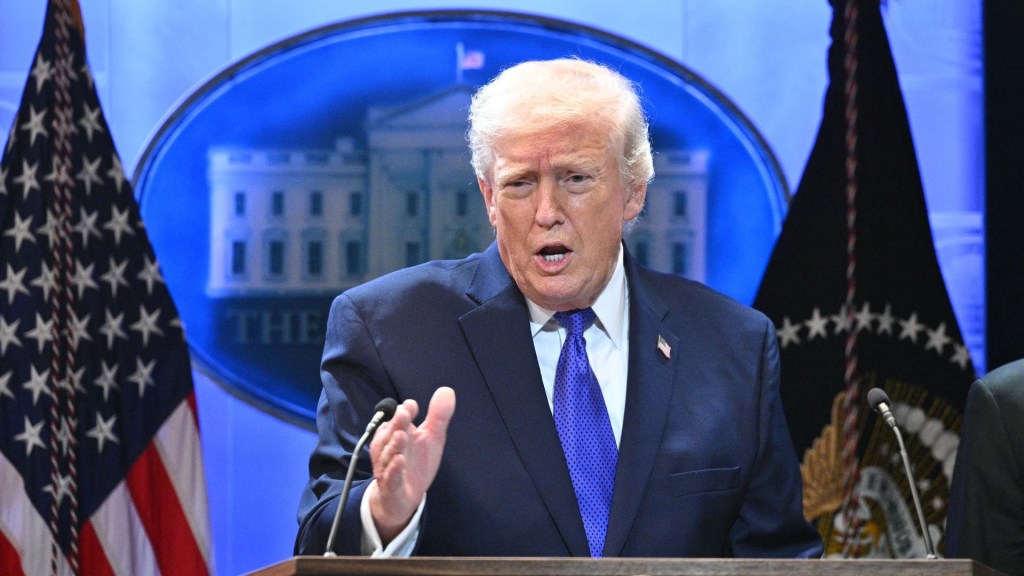
Trump reacted angrily to the ruling, attacking the justices — including two he himself appointed — at a White House news conference, accusing them of undermining American interests and pledging to pursue alternative statutory paths to maintain tariffs.

Conservative commentators who supported Trump’s policies argued the decision won’t ultimately limit future executives if alternative statutory routes to impose tariffs remain available. But constitutional scholars say the ruling will likely shape how presidents — both Republican and Democratic — approach executive authority on trade and other high-stakes matters going forward.
Context With Earlier Supreme Court Rulings
Yesterday’s tariff decision comes on the heels of earlier high-profile cases involving presidential power, including a 2024 Supreme Court ruling on presidential immunity that gave presidents broader protections for official acts — a controversial opinion that sparked debate over whether it enhanced executive authority.
Taken together, these decisions illustrate the complex role the Court is playing in defining the modern presidency — sometimes enlarging its reach in matters such as immunity, and at other times constraining it on issues like trade.

Why It Matters
The tariff ruling is more than a trade policy decision — it is a constitutional reaffirmation of the system of checks and balances. By saying that even a popular or ambitious president cannot bypass Congress on major economic decisions, the Supreme Court has reinforced a key limitation on executive power at a moment when debates over the presidency’s scope continue to roil politics nationwide.
— End of Story
 HICGI News Agency