
HICGI News Agency — Global Affairs Desk
Tehran | Updated at 1237 EAT on March 1, 2026
Iran has entered a 40-day period of national mourning following the assassination of its Supreme Leader, Ali Khamenei, in a dramatic development that has intensified tensions across the Middle East and drawn global attention.
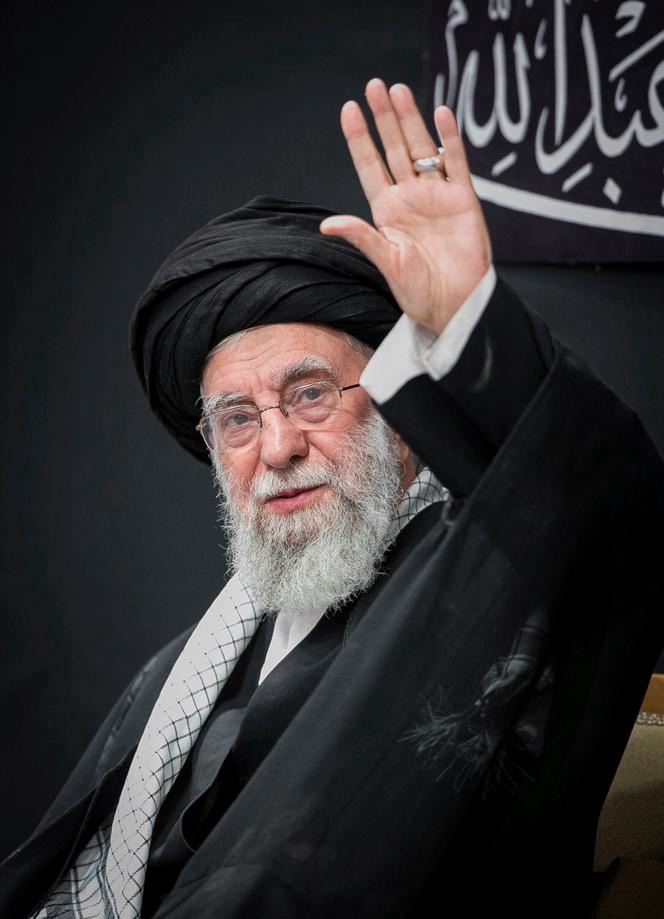
Iranian state media confirmed that the long-serving leader was killed in what authorities described as a targeted attack in Tehran. Officials labeled the incident a “martyrdom” and accused foreign adversaries of involvement, though investigations and international responses remain ongoing.
Government institutions announced that national flags would be flown at half-mast, while religious and state ceremonies are being organized across the country during the mourning period.

A Historic Turning Point
Ayatollah Khamenei, who assumed leadership in 1989, was the Islamic Republic’s highest authority. His role extended beyond spiritual guidance to include:
Commander-in-Chief of Iran’s Armed Forces Final authority on national security and nuclear policy Oversight of the judiciary Influence over domestic and foreign policy
His death marks one of the most consequential moments in Iran’s modern political history.
Succession and Political Transition
According to Iran’s constitution, the Assembly of Experts is responsible for selecting a new supreme leader. Political observers indicate that the succession process may involve:
Appointment of a senior clerical authority Selection of an influential political insider Establishment of a temporary leadership council if consensus is delayed.

The transition comes at a time of heightened regional tensions, making the choice of successor critical for Iran’s future direction.
Regional and International Implications
The assassination has further strained relations between Iran and its long-standing rivals, including the United States and Israel. Iranian officials have warned of potential retaliation, raising fears of wider escalation.
Neighbouring Iraq, reflecting its close religious and political ties with Tehran, also announced a mourning period in solidarity.
Security analysts caution that the situation could affect:
Regional security dynamics Proxy conflicts in Syria, Lebanon, and Yemen Global oil markets, particularly via the Strait of Hormuz
International leaders have called for restraint amid concerns of instability.
National Response
Images broadcast across Iran show thousands gathering for prayers and vigils. Government officials have urged unity and resilience, emphasizing continuity during the transition period.

As Iran observes 40 days of mourning, attention now shifts to how the leadership succession will unfold and what direction the Islamic Republic will take in an increasingly volatile regional landscape.
Reporting by HICGI News Agency — Global Affairs Desk

 HICGI News Agency