
Updated by Faith barbara N Ruhinda at 1218 EAT on Wednesday March 2026
When President Ismail Omar Guelleh broke ground this week on what is set to become Djibouti’s largest residential development, the scale of the ambition was unmistakable.
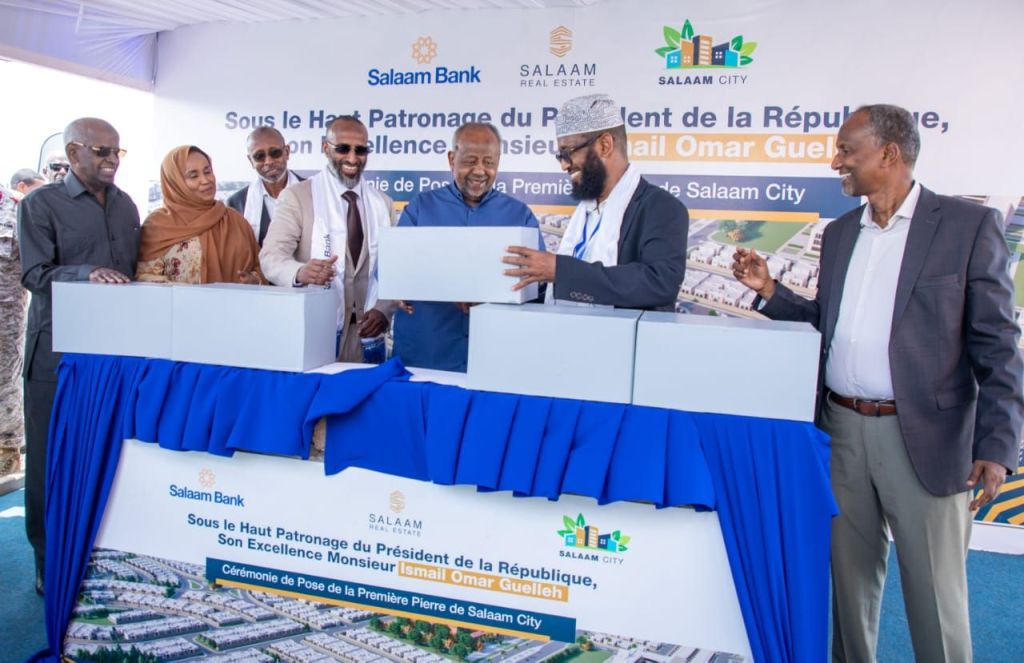
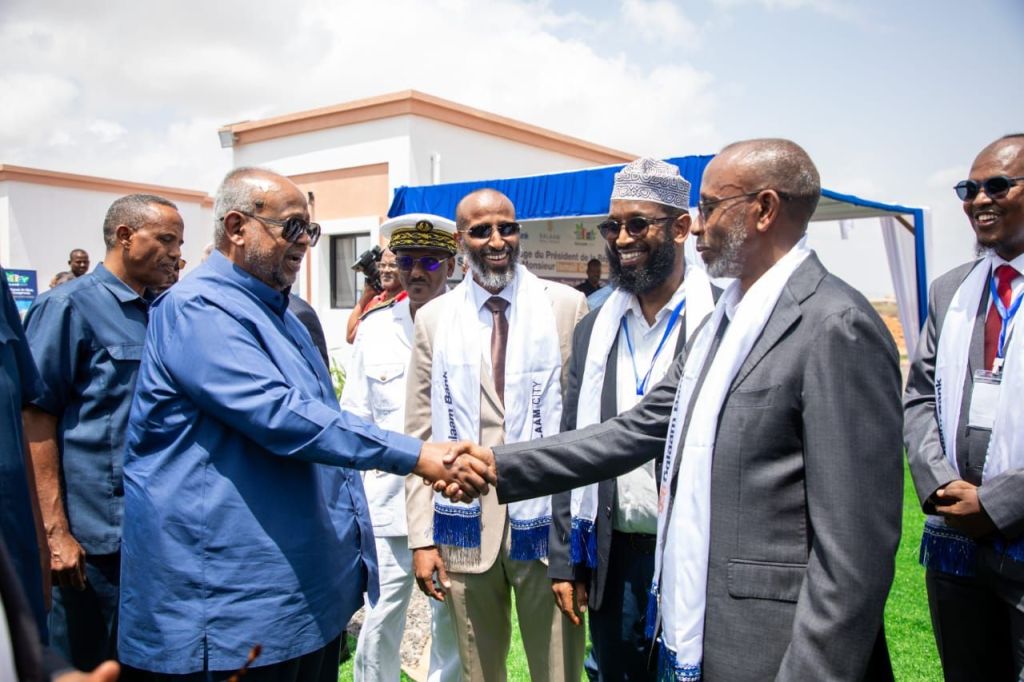
Dubbed Salaam City, the project promises more than 7,000 housing units—an entire urban ecosystem rising from a single blueprint. For a country grappling with rapid urbanisation, it marks a decisive shift in how cities are planned and developed.
For observers in Uganda, where pressures on housing, infrastructure and urban planning continue to mount, the development presents a familiar narrative—one of opportunity, but also growing urgency.


The Salaam City project is designed as a self-contained community. Beyond rows of apartments and houses, the plan includes schools, health facilities, a mosque, and commercial spaces, all integrated into a single, cohesive layout.
The aim is to create not just housing, but a fully functional city within a city—capable of accommodating a growing population while maintaining order and accessibility. Djibouti’s government has framed the project as a long-term investment, intended to address rising housing demand while advancing broader economic objectives.
That rationale resonates beyond Djibouti’s borders. In Uganda, where urban centres such as Kampala continue to expand under mounting pressure, the challenge of delivering affordable, well-planned housing remains unresolved.
Construction of Salaam City is expected to provide a major employment boost, with up to 2,000 workers engaged at peak periods. Such projects often deliver immediate economic relief, particularly in markets where job creation is closely linked to large-scale infrastructure investments.
For Ugandan policymakers, the model is a familiar one. Large housing developments have long been viewed as a dual opportunity—to ease unemployment in the short term while laying the groundwork for sustained urban growth. Sustainability is also emerging as a central pillar of such projects.


Developers say Salaam City will integrate energy-efficient designs and environmentally friendly materials, reflecting a broader continental shift towards green construction. The project also incorporates Shari’ah-compliant financing, an area that is gradually gaining traction among developers and investors in Uganda.
The project’s relevance is further underscored by the involvement of Salaam Real Estate, part of the Salaam Group, which already has a footprint in Uganda.
As Kampala and other urban centres grapple with rapid expansion, Salaam City offers a potential blueprint for structured, large-scale development—highlighting both the possibilities and the challenges of planned urbanisation.
While construction is only just beginning in Djibouti, the broader implications are already clear. The pressures it seeks to address—housing shortages, infrastructure gaps and urban sprawl—mirror those facing Uganda today.
-Observer
Invest or Donate towards HICGI New Agency Global Media Establishment – Watch video here
Email: editorial@hicginewsagency.com TalkBusiness@hicginewsagency.com WhatsApp +256713137566
Follow us on all social media, type “HICGI News Agency” .
 HICGI News Agency