
By Dr. Kivumbi Earnest Benjamin, L. H. D (Hon.)
New York,Updated at 1249 EAT on Sunday March 28, 2026 — The United Nations General Assembly has adopted a historic resolution led by Ghana, officially declaring the transatlantic slave trade as the “gravest crime against humanity.”
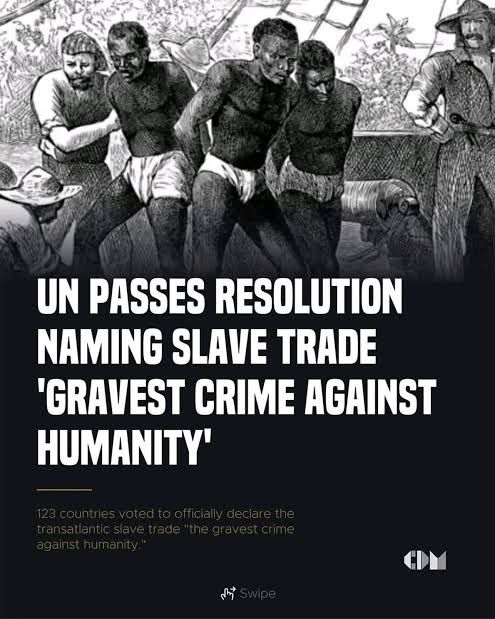
The landmark resolution, passed with 123 countries voting in favor, marks one of the strongest global acknowledgments yet of the horrors and lasting impact of slavery. However, the vote exposed divisions within the international community, with the United States, Israel, and Argentina voting against, while several European nations abstained.
A Push for Justice and Reparations
Spearheaded by Ghana and backed by the African bloc, the resolution goes beyond symbolic recognition. It calls for:
Reparatory justice for affected communities.
Formal apologies from nations involved in the slave trade.
Restitution of stolen cultural artifacts
Measures to address enduring racial and economic inequalities .
Ghana argued that the legacy of slavery continues to shape modern inequalities, stressing that recognition is a step toward healing and global justice.
Global Divide Over Reparations

Despite broad support, Western nations expressed concern about the legal implications of reparations. Critics argued that applying modern legal standards to historical events could create complex liabilities and unintended consequences.
Supporters, however, hailed the resolution as a turning point. Experts say it represents the furthest the UN has gone in recognizing slavery’s impact and opening the door to meaningful accountability.
Reuters
Africa and Caribbean Momentum
The resolution has energized efforts by the African Union and Caribbean nations to pursue a unified strategy on reparations. Plans are already underway to advance what some leaders are calling a “Decade of Reparations” aimed at securing justice for descendants of enslaved Africans.
A Symbolic but Powerful Step
Although the resolution is not legally binding, it carries significant political and moral weight. Observers say it reinforces global recognition of slavery’s enduring legacy and could shape future international policies on justice and equality.
 HICGI News Agency