
By Faith Barbara N Ruhinda at 1346 EAT on Friday 24 April 2026
Kampala, Uganda — Women with disabilities have been urged to take a more active role in climate action and decision-making processes, as stakeholders call for inclusive approaches to addressing environmental challenges.
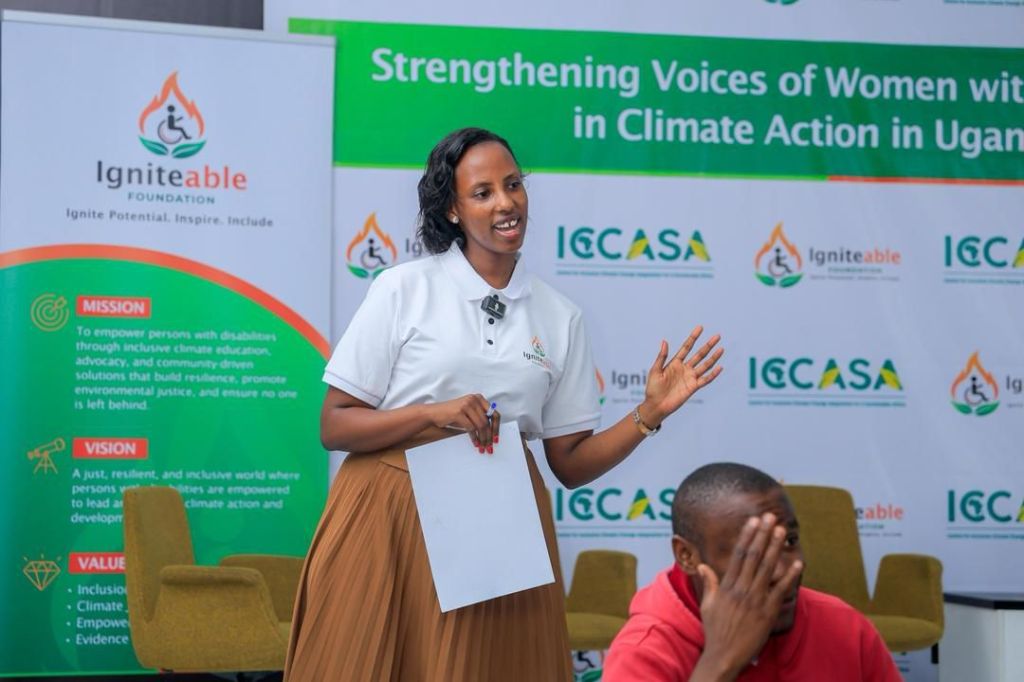
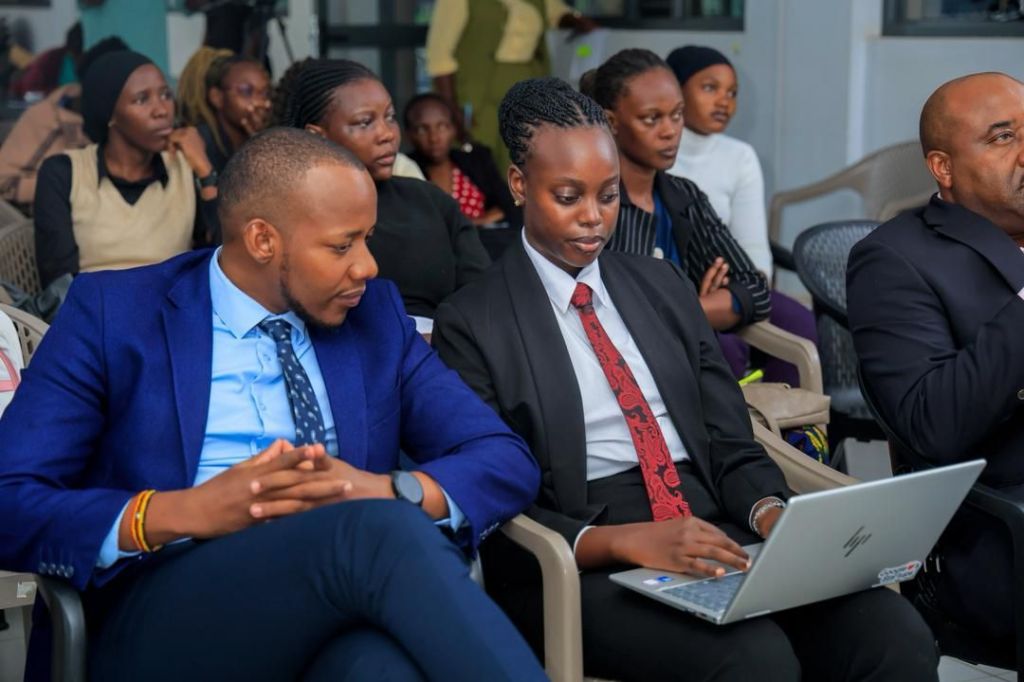
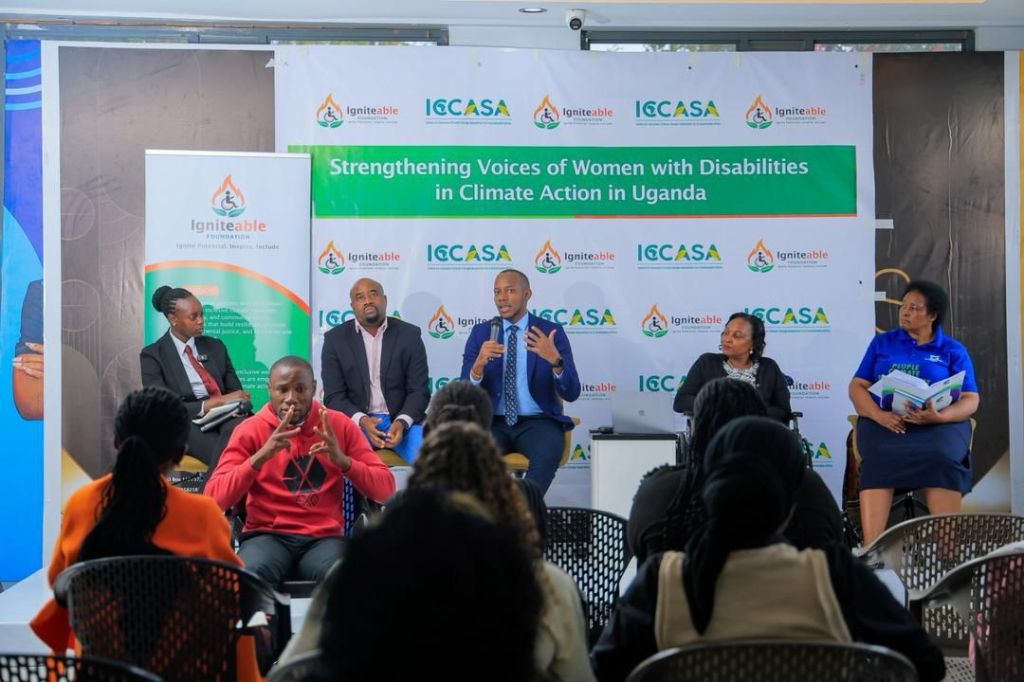
The call was made during an event organized by Igniteable Foundation under the theme “Strengthening the Voices of Women with Disabilities in Climate Action in Uganda.” The dialogue focused on amplifying the voices of marginalized groups and addressing structural barriers that limit their participation in climate-related initiatives.
Speaking at the event, Phionah Boonabaana, founder of Igniteable Foundation, said the organisation was established out of a personal passion to empower persons with disabilities and ensure they are included in shaping solutions that affect their communities.
“Igniteable Foundation is committed to empowering people with disabilities to take part in climate decision-making processes and to see the change they want in their communities,” Boonabaana said.
She noted that women with disabilities remain among the most vulnerable groups affected by climate change, yet their voices are often overlooked in policy and community responses.

“The aim of this engagement is to amplify the voices of women with disabilities and to challenge the structural barriers they face in their daily lives,” she added.
The event, supported by ICCASA, brought together community members, civil society actors, and advocates to discuss inclusive strategies for climate resilience.
Boonabaana called for collective action from all stakeholders, emphasizing that meaningful change cannot be achieved in isolation.
“We call upon the community, civil society, government institutions, and organisations of persons with disabilities to join us. We cannot achieve this alone,” she said.
“By working together, we can ensure access to education and opportunities that favour the most vulnerable populations, especially persons with disabilities.”
The Commissioner for Equity and Rights at the Ministry of Gender, Labour and Social Development, Bernard Mujuni, has called for stronger inclusive policies and structural reforms to address the growing impact of climate change on vulnerable populations.
Delivering a keynote address, Mujuni emphasized that climate change is no longer an isolated environmental issue but a cross-cutting challenge affecting food security, health, education, livelihoods, and safety. He warned that women, youth, and persons with disabilities continue to bear the greatest burden due to persistent structural and institutional barriers.
“While legal frameworks exist, they are often not backed by practical programs, limiting their effectiveness,” he noted.
Mujuni highlighted the importance of resilience and inclusive governance, drawing from over 25 years of experience in gender development. He pointed to the government’s investment of approximately UGX 15 billion in a national registry system aimed at identifying vulnerable households and improving the targeting of interventions.
However, he acknowledged ongoing challenges faced by community-based organizations, including complex funding requirements and limited access to critical information, which hinder grassroots solutions.
The commissioner also urged young people to take an active role in shaping development agendas by seeking partnerships and focusing on actionable outcomes rather than passive participation in workshops. He stressed that community engagement remains central to the success of development programs.
Sharing his personal journey, Mujuni recounted the establishment of an e-commerce commission in Africa in 2006, noting that despite initial skepticism, persistence and strategic networking helped secure external funding and drive success.
He further called for the creation of supportive and non-toxic work environments, particularly for young professionals navigating bureaucratic systems often characterized by rigid structures.
Mujuni concluded by emphasizing the importance of mentorship, social support, and storytelling in building resilient communities. He encouraged individuals to share their experiences and invest in initiatives such as social enterprises and conservation projects to drive broader societal impact.
Participants at the dialogue stressed the need for inclusive policies, accessible climate information, and stronger collaboration to ensure no one is left behind in climate action efforts.
The initiative highlights a growing movement in Uganda to integrate disability inclusion into climate discourse, recognizing that sustainable development depends on the participation of all members of society.


Invest or Donate towards HICGI New Agency Global Media Establishment – Watch video here
Email: editorial@hicginewsagency.com TalkBusiness@hicginewsagency.com WhatsApp +256713137566
Follow us on all social media, type “HICGI News Agency” .

