
Updated by Catherine Asiimwe at 1316 EAT on Thursday 30 April 2026
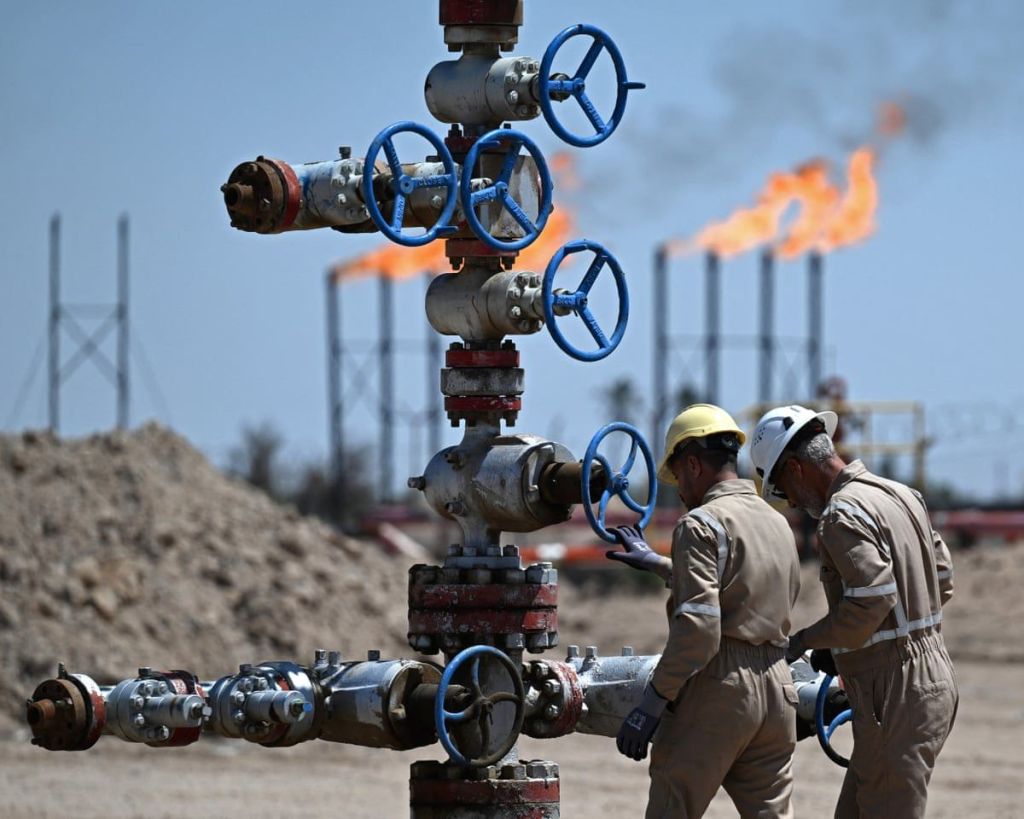
Oil prices have surged to their highest level since 2022 following reports that the US military is set to brief President Donald Trump on new options for potential action in the Iran conflict.
The gains come amid growing fears of further escalation in the Middle East, with analysts warning that any expansion of the crisis could deepen disruptions to global energy supplies.
The United States Central Command has drawn up plans for a series of “short and powerful” strikes on Iran in an effort to break the impasse in negotiations with Tehran, according to a report by Axios. The BBC said it had approached both CENTCOM and the White House for comment.


Global benchmark Brent crude jumped nearly 7% to trade above $126 (£94) a barrel at its peak — the highest level since Russia’s full-scale invasion of Ukraine.
Oil prices have been rising throughout the week amid signs that peace negotiations have stalled, with the crucial Strait of Hormuz remaining effectively closed.
After climbing to $126.31 a barrel in Asian trading, Brent later retreated to about $121 during European hours.
Crude oil is a key component in the production of petrol and diesel, and the sharp rise in prices since the start of the Iran conflict has already fed through to higher costs at the pump for motorists.
In the UK, petrol is currently averaging 157p per litre, according to the motoring organisation RAC — about 24p higher than before the war began. Diesel prices stand at nearly 189p per litre, up around 46p over the same period.
However, analysts warn the impact extends well beyond fuel. The UK government has cautioned that households could face higher costs for energy, food, and air travel if the conflict continues.


Some airlines have already begun adjusting ticket prices or reducing flight schedules, while fertiliser costs have also risen, raising concerns about potential knock-on effects for global food prices.
The Axios report cited anonymous sources as saying the proposed wave of strikes would likely include infrastructure targets inside Iran.
It added that an alternative plan under consideration involves seizing control of parts of the Strait of Hormuz to reopen the key waterway for commercial shipping — an operation that could require deploying troops on the ground.
Meanwhile, the current Brent crude futures contract for June delivery is set to expire on Thursday. The more actively traded July contract rose about 1.7% to around $112 a barrel.
Futures contracts are agreements to buy or sell an asset at a fixed price on a specified future date.
Oil markets have reacted swiftly to the prospect of further military escalation in the Gulf, said economics professor Yeow Hwee Chua of Nanyang Technological University, noting heightened sensitivity among traders to geopolitical risk.
Even a small risk of further escalation could have “outsized implications” for global energy supplies, he added.
The United States has said it would maintain a blockade of Iranian ports for as long as Tehran continues to threaten vessels attempting to transit the Strait of Hormuz, a move that could severely disrupt global energy flows.
Iran has responded to US–Israeli airstrikes by warning it could target ships in the waterway, through which roughly a fifth of global oil shipments typically pass.
Oil prices jumped about 6% on Wednesday after reports that Washington was preparing for an “extended” blockade of Iran, fuelling concerns over prolonged disruption to global supply chains.
“It does seem as though escalation in the war is back on the table, whether in the form of continued US pressure through a blockade of Iran, or reports and rumours that Tehran may respond with renewed strikes in order to break the deadlock,” said Naveen Das, senior oil analyst at Kpler.
Speaking to the BBC’s Today programme, he said oil prices approaching $125 a barrel are the point at which businesses and policymakers “start to get a bit more jittery”.
“We might start seeing more headlines about attempts to de-escalate again,” he added, warning that higher prices have a “knock-on effect not only on oil, but oil-related products, inflation, and basically every factor of our day-to-day lives.”
-BBC
Invest or Donate towards HICGI New Agency Global Media Establishment – Watch video here
Email: editorial@hicginewsagency.com TalkBusiness@hicginewsagency.com WhatsApp +256713137566
Follow us on all social media, type “HICGI News Agency” .

