
By Derrick Ssentamu
KAMPALA, Uganda — A proposed bill seeking to establish a government-supported funding mechanism for non-governmental organisations in Uganda is being revised before its formal submission to Parliament, following debate over how the plan could affect the independence of the country’s civil society sector.
The initiative, led by youth activist Nyanzi Martin Luther, proposes the creation of a National NGO Fund intended to provide financial support to community-based organisations and non-governmental groups operating across Uganda.
According to the proposal’s sponsor, the draft will undergo amendments and a possible renaming ahead of its presentation to lawmakers, in response to feedback received during early discussions.
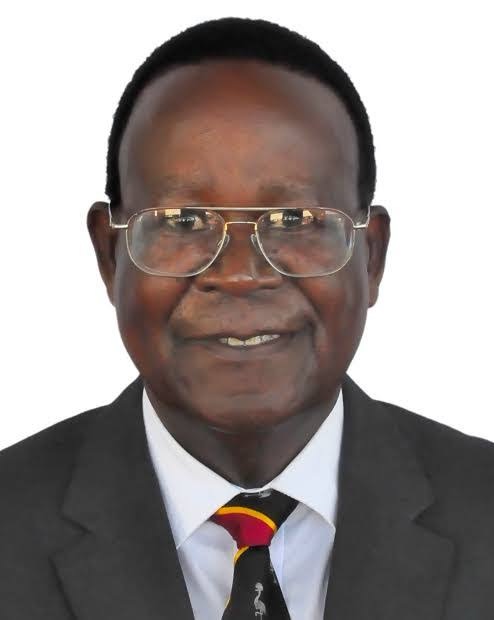
“We shall first amend it and also rename it to favour the civil society organisations,” Nyanzi said in a statement shared online, adding that the petition would be submitted once revisions are completed.
The proposal has drawn attention in Uganda’s policy and development circles because it touches on a sensitive issue in many aid-dependent countries: how to strengthen local civil society organisations while reducing reliance on external donors.
Ugandan NGOs play a central role in delivering services in sectors such as health, education, humanitarian relief, and governance advocacy. However, many organisations depend heavily on international donor funding, leaving them vulnerable to shifts in global development priorities.
Supporters of the proposed fund argue that a domestic financing mechanism could improve predictability and help sustain community-level programmes that might otherwise face interruptions due to funding gaps.
But the idea has also raised concerns among civil society actors who warn that government involvement in NGO financing could create risks for institutional independence, particularly for organisations engaged in advocacy and public accountability work.
The revision of the draft suggests an attempt to respond to those concerns before the proposal reaches Parliament. While specific amendments have not been disclosed, the process is expected to revisit the governance structure and operational framework of the proposed fund.
Uganda’s civil society sector has long operated within a complex environment shaped by regulatory oversight, donor dependency, and periodic tensions with state authorities. The latest debate adds to ongoing discussions about how to balance sustainability with autonomy in the sector.
If the proposal proceeds to Parliament, lawmakers will be expected to assess whether the planned fund can provide financial stability without compromising the independence that defines civil society’s role in public life.
For now, the initiative remains at the revision stage, with stakeholders watching closely to see how the final version addresses competing concerns over funding, governance, and civic space.