By HICGI News Agency at 1254 EAT on Thursday 4 June 2026
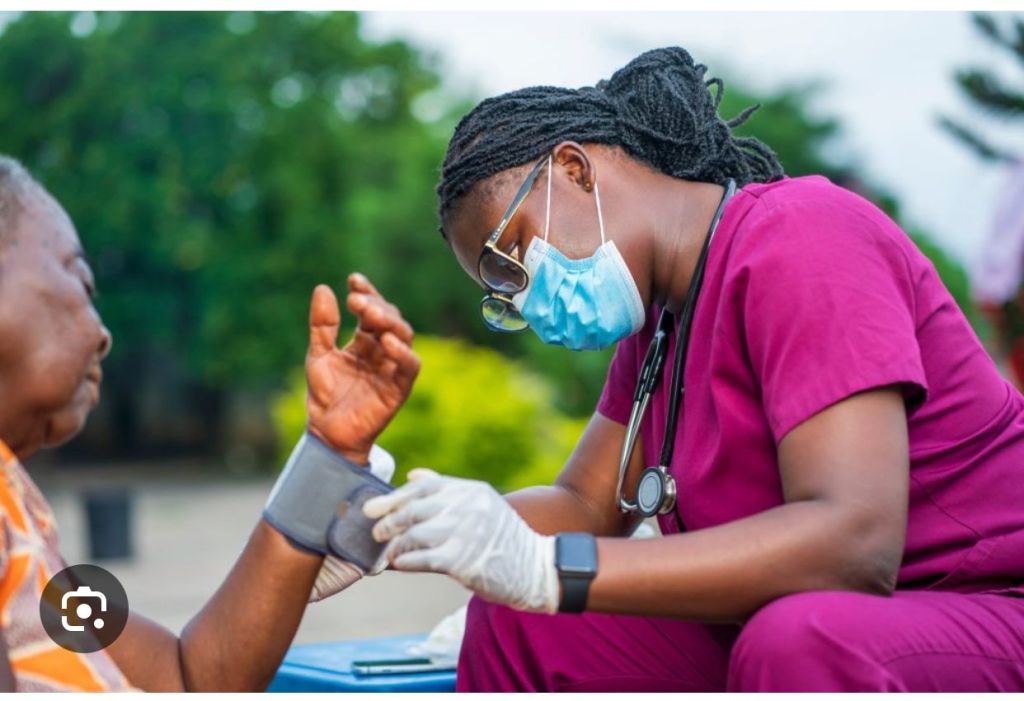
As African countries continue investing billions in hospitals, medicines and healthcare infrastructure, a Nigerian public health advocate has warned that a lack of health education and pharmaceutical awareness remains one of the continent’s most significant barriers to better health outcomes.
Favour Clement Idara, a public health advocate with a background in Chemistry (Pure and Applied) and certifications in pharmaceutical and community health awareness, says many preventable illnesses continue to claim lives because people often lack the knowledge needed to recognize symptoms early, seek timely medical care and use medicines correctly.
“Healthcare is not only about hospitals and medicines. It is also about ensuring people understand how to protect themselves, prevent disease and make informed decisions about their health,” Idara said.
Her remarks come as African countries face a growing burden of both infectious diseases and non-communicable illnesses such as hypertension, diabetes and cancer.

According to Idara, poor health literacy continues to fuel dangerous practices such as self-medication, particularly the misuse of antibiotics without professional guidance. She warned that the trend is accelerating antimicrobial resistance, which health experts consider one of the world’s most serious public health threats.
“When medicines are misused, they gradually lose their effectiveness. This is not only a problem for individuals but for entire health systems,” she said.
She noted that misinformation, cultural misconceptions and limited access to reliable health information continue to influence healthcare decisions across many communities, often resulting in delayed treatment and avoidable complications.
Idara also expressed concern over persistent gaps in public understanding of common diseases. Despite years of public awareness campaigns, malaria remains a major cause of illness in many African countries, while hypertension and diabetes continue to rise, with many people unaware of their risk factors.
She emphasized that prevention remains the most affordable and effective healthcare strategy but can only succeed when communities are equipped with accurate information.
The advocate further highlighted mental health, reproductive health and maternal care as areas requiring greater public education and awareness.


“Too many people suffer in silence because mental health is still misunderstood in many communities. Public education can help break these barriers and encourage early intervention,” she said.
Idara also warned that while digital platforms have expanded access to health information, they have simultaneously created fertile ground for misinformation and false medical claims that can discourage vaccination and promote unsafe treatments.
“People need information they can trust.
Public health communication should be simple, accurate and tailored to the communities it serves,” she added.
She called on governments, healthcare professionals, educators, media organisations and civil society groups to work together to strengthen health literacy and pharmaceutical awareness at the grassroots level.
“A healthy population is the foundation of a productive society. The future of public health in Africa will depend on our ability to empower people with knowledge, not just provide treatment,” Idara said.
Invest or Donate towards HICGI New Agency Global Media Establishment – Watch video here
Email: editorial@hicginewsagency.com TalkBusiness@hicginewsagency.com WhatsApp +256713137566
Follow us on all social media, type “HICGI News Agency” .

