
By Dr. Kivumbi Earnest Benjamin, L.H.D (Hon.)
London, United Kingdom – Updated af 1823 EAT on June 22, 2026
British Prime Minister and Labour Party leader Keir Starmer has announced his resignation as leader of the Labour Party, bringing an end to a turbulent period that saw his popularity decline less than two years after leading Labour to a historic general election victory. He is expected to remain Prime Minister until a successor is chosen.
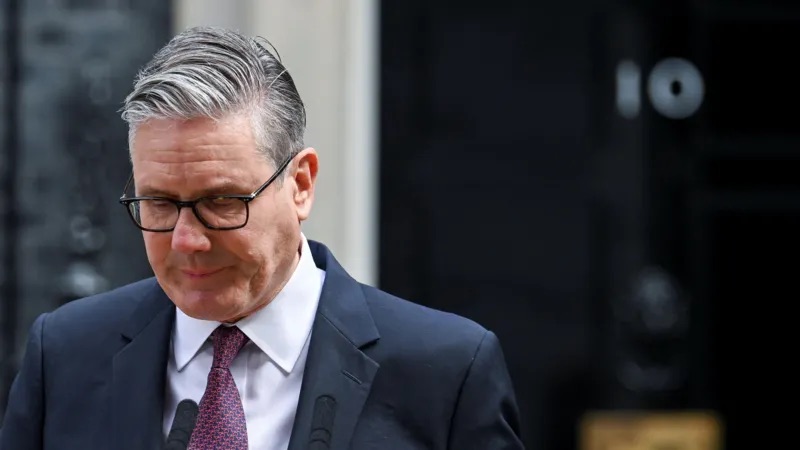
Starmer’s decision follows months of growing pressure from Labour MPs, poor local election results, and increasing concerns within the party about its ability to retain public support ahead of the next general election. Reports indicate that many lawmakers had urged him to set a timetable for his departure after Labour suffered significant setbacks in local and regional elections across the United Kingdom.
In an emotional statement, Starmer acknowledged that he no longer had the confidence of enough party members to lead Labour into the next national election. He said he would support an orderly transition and continue serving until a new leader is elected.
Attention has now shifted to Andy Burnham, the former Mayor of Greater Manchester, who has emerged as the frontrunner to succeed Starmer. Burnham recently returned to Parliament after winning the Makerfield by-election and has already secured backing from several influential Labour figures.

Political analysts say Starmer’s resignation reflects broader challenges facing Labour, including voter frustration over the cost of living, economic pressures, immigration concerns, and perceptions that the government lacked a clear vision for change. Despite notable achievements in foreign policy, including support for Ukraine and efforts to strengthen international partnerships, his government struggled to maintain public confidence at home.
The Labour Party is expected to begin the formal leadership selection process in July, with a new leader likely to be in place before Parliament returns from its summer recess. The outcome will determine not only Labour’s future direction but also who leads the United Kingdom through the remainder of the parliamentary term.
Observers say the leadership transition could reshape British politics at a time when opposition parties, including Reform UK, are gaining momentum and public trust in traditional political institutions remains under pressure.
As Britain prepares for another change at the top, Starmer’s departure marks the end of a brief but consequential chapter in Labour’s history and opens the door to a new political era under fresh leadership.

