
Updated by Faith Barbara N Ruhinda at 1145 EAT on Friday 4 September 2026
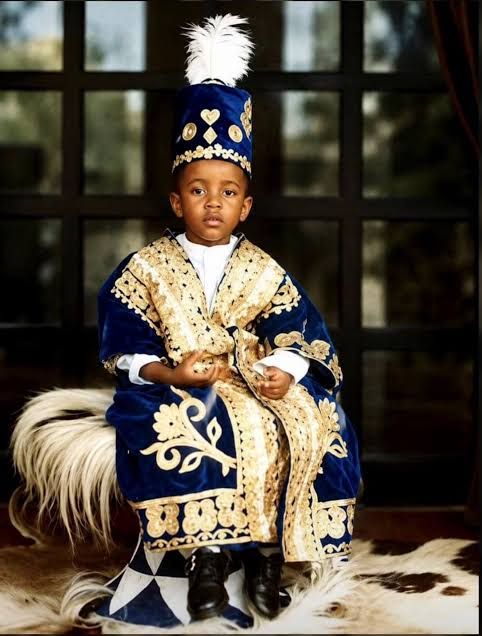
King Oyo was just three years old when he became the Omusinga of Tooro in 1995, thrusting him into the national spotlight at an age when most children were only beginning to discover the world around them.
Nearly 31 years on, UNICEF says that extraordinary childhood experience helped shape a monarch who dedicated much of his platform to championing the rights and aspirations of children and young people
UNICEF on Thursday joined Ugandans in mourning the death of the Omukama of Tooro, describing his passing as a loss not only to the kingdom but also to efforts to advance children’s education, health and protection.
“Few leaders have carried such responsibility for so long, or from so young an age,” UNICEF Uganda Representative Dr Robin Nandy said in a condolence message.
The organisation said King Oyo’s experience of assuming public responsibility as a child gave him a unique understanding of the importance of recognising children as active members of society, rather than merely “citizens in waiting”. Throughout his reign, UNICEF said, he used his position to champion children’s education, health and future.

The agency said such advocacy was significant because cultural leaders often command a level of public trust that government programmes and development organisations can find difficult to build.
Across Uganda, UNICEF has worked with cultural institutions to encourage girls to stay in school, protect children from violence and harmful practices, connect families to health services and promote environmental protection. The agency said King Oyo’s voice helped strengthen those efforts.
In Tooro, the partnership extended to essential services that influence children’s wellbeing and development. UNICEF has worked with government, district authorities and communities on immunisation, nutrition, safe water and sanitation, early learning, girls’ education and child protection.
The organisation has also supported emergency preparedness along Uganda’s border with the Democratic Republic of Congo, including assistance to refugee children and the Ugandan communities hosting them.
UNICEF’s tribute suggests that King Oyo brought an important element to such interventions—public trust and influence that could not be provided by funding and technical expertise alone.
“When His Majesty spoke about a child’s right to learn, or a girl’s right to finish school, families listened in a way that no campaign can replicate,” Nandy said.
“That is the measure of what has been lost, and the reason his example must be carried forward.”
The observation comes at a significant moment in a country where campaigns on health, education and child protection often depend on whether national messages are accepted within homes and communities.
Traditional and cultural leaders can serve as a crucial bridge between policy and families because their influence is rooted in local communities and traditions.
King Oyo’s story was unusual from the beginning. He inherited the Tooro throne at just three years old and grew into the responsibilities that came with the position, eventually using his platform to advocate for children and young people.


“On behalf of UNICEF in Uganda, I extend our deepest condolences to Her Royal Highness the Queen Mother, the Royal Family, the Tooro Kingdom and all Ugandans whose lives were touched and inspired by the King,” Nandy said. “We share in their grief, and we stand with them.”
His passing leaves the Tooro Kingdom mourning its monarch. But beyond the kingdom, his death also raises a broader question: how will the causes he championed—particularly keeping children healthy, protected and in school—be carried forward now that the voice that championed them has fallen silent?
-Observer
Invest or Donate towards HICGI New Agency Global Media Establishment – Watch video here
Email: editorial@hicginewsagency.com TalkBusiness@hicginewsagency.com WhatsApp +256713137566
Follow us on all social media, type “HICGI News Agency” .

