
Updated by Faith Barbara N Ruhinda at 1236 EAT on Monday 5 October 2026
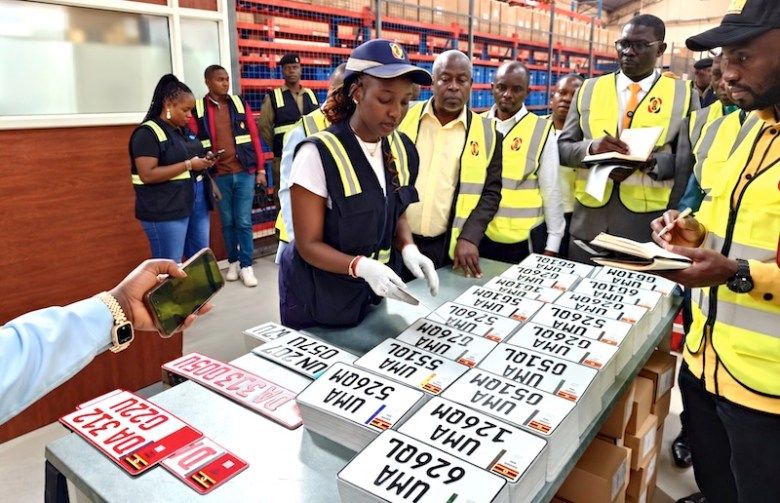
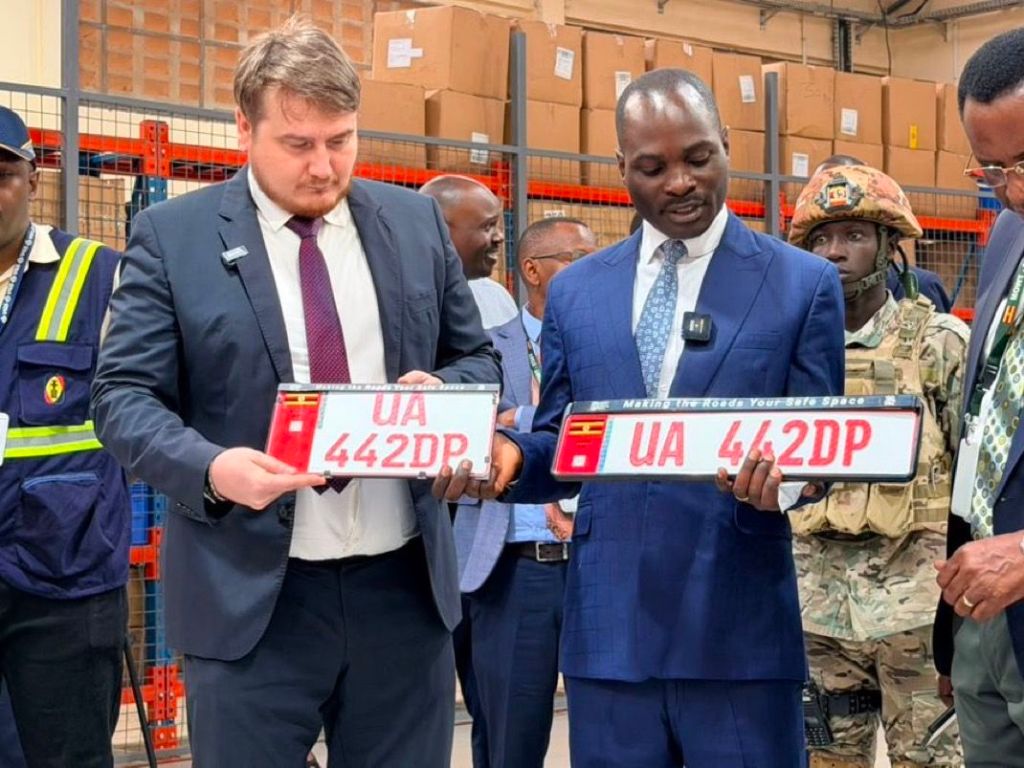
Parliament’s Committee on Physical Infrastructure says it has established that Uganda’s digital number plates cannot independently track vehicles.
The committee says police instead rely on a separate tracking device installed inside vehicles alongside the digital number plate to trace and recover stolen vehicles.
The finding has raised concerns about data security, privacy and whether vehicle owners are adequately informed about, or consent to, the installation and use of the tracking device.
Russian firm Joint Stock Company Global Security (JSCGS) signed a 10-year agreement with the government in 2021 to manufacture Uganda’s digital number plates under the Intelligent Transport Monitoring System (ITMS).


Project officials have previously said the digital plates contain a Bluetooth Low Energy (BLE) tag linked to the wider ITMS for vehicle identification and tracking.
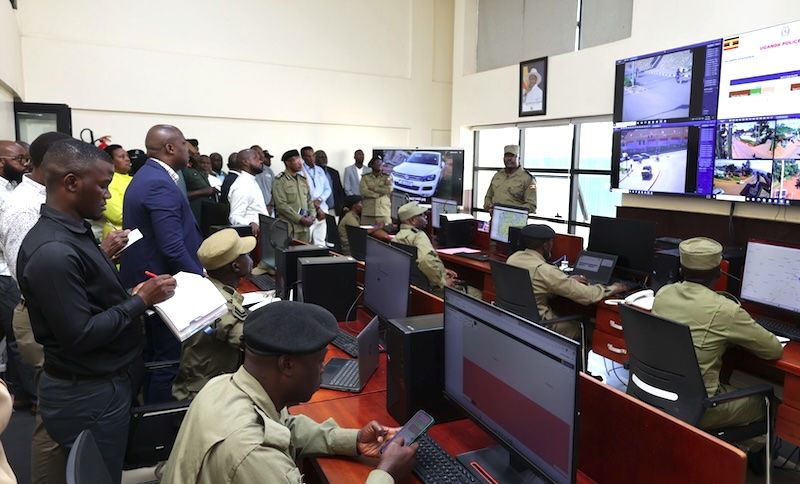
However, committee chairperson Mwine Mpaka said MPs established during an oversight visit to the Police Command Centre in Naguru that the number plate itself cannot be tracked.
“The number plate cannot be tracked. We were at the police doing an oversight function, and now we have analysed all the features on this number plate. During installation, there is a tracker that is put in your vehicle, and there is also a number plate. So there are two components. So we can now conclusively state that the number plate cannot be tracked but rather the tracker that is inserted in the person’s vehicle,” Mpaka said.
The MPs visited the command centre to examine how the tracking system operates, following concerns raised by stakeholders over its security, vehicle-tracking functionality and capabilities.
Mpaka also questioned how the Russian private company gained access to the Police Command Centre under the arrangement, saying this raises concerns about potential data leakage and misuse.
The committee’s concerns come as Parliament scrutinises the wider Digital Number Plate Project, including its security features, cost, production capacity and implementation.
Tracking stolen vehicles
Despite concerns over the tracking mechanism, police say the system has helped in the recovery of stolen vehicles.
Appearing before the committee, Police Director of ICT, AIGP Felix Baryamwisaki, said 337 out of 375 stolen motor vehicles had been tracked and recovered, representing a 90 percent recovery rate.
At Naguru, MPs were taken through the system in its operational environment and shown how the technology is used to identify, track and recover vehicles.
Mpaka said the committee wanted to test the system using MPs’ own vehicles rather than rely solely on a prepared demonstration.
The committee was also presented with documented security findings on the technology and its reported use beyond vehicle registration and number plate issuance.
Cost and delays
The project has also come under scrutiny over the cost of the digital number plates and delays in their issuance.


The official fee for a new digital number plate is Shs 714,300 for both motor vehicles and motorcycles. Replacement fees are Shs 150,000 for motor vehicles and Shs 50,000 for motorcycles.
The Uganda Manufacturers Association has questioned why Global Security was granted an exclusive 10-year contract, arguing that the arrangement has contributed to delays, increased costs and disruptions to businesses.
Car dealers told Parliament that shortages of digital number plates had left some vehicles without plates for weeks or even months.
Global Security project manager Damir Makhmutov said the company has the technical capacity to install 1,500 plates a day but had completed 1,307 installations as of September 23, 2026.
The delays have reportedly resulted in potential losses of at least Shs 4 billion a week in revenue for the Uganda Revenue Authority.
There have also been complaints of motorists paying more than the official fees through intermediaries.
During an inspection, one car-bond operator was found charging Shs 850,000 for a new plate, while another transaction involved a lump-sum payment of Shs 1.485 million for taxes, plates and clearance, without an itemised breakdown.
Data concerns
Committee members also sought clarification on how data generated by the system is managed and stored.
Sam Okiding, Deputy Chief of Defence Forces and the Uganda People’s Defence Forces representative in Parliament, said he was convinced that the data is stored in Uganda.
Concerns over data management have grown following the committee’s finding that a separate tracking device is installed in vehicles alongside the digital number plate.
Mpaka said the arrangement raises questions about how motorists’ information is handled and the safeguards in place to prevent unauthorised access or misuse.
Invest or Donate towards HICGI New Agency Global Media Establishment – Watch video here
Email: editorial@hicginewsagency.com TalkBusiness@hicginewsagency.com WhatsApp +256713137566
Follow us on all social media, type “HICGI News Agency” .

