
Updated by Faith Barbara N Ruhinda at 1150 on Friday 23 October 2026
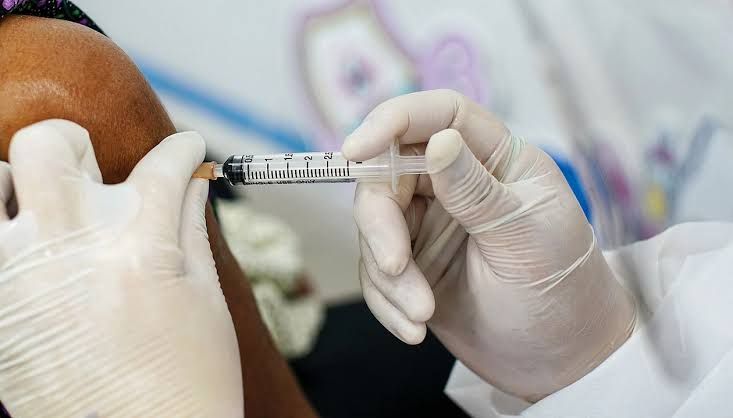
A personalised cancer vaccine, administered alongside a widely used immunotherapy drug, has reduced the risk of death or melanoma recurrence by 42% in a major clinical trial.
Researchers involved in the study said the findings could mark a turning point in cancer treatment and bring personalised medicine closer to wider use.
The trial also found that the combination reduced the risk of melanoma spreading by 38% over two years compared with immunotherapy alone.
Drugmakers MSD and Moderna said the same approach was already being tested against other cancers, including kidney, bladder and lung cancer.
Independent cancer experts described the results as promising but cautioned that longer-term studies were needed to determine whether the treatment improves overall survival for most patients.
The new treatment is intended for cancer patients whose tumours have already been surgically removed.

In the trial, 1,137 adults received Keytruda, an established immunotherapy drug that helps the body’s immune system identify and attack cancer cells.
About two-thirds of the participants also received an experimental vaccine, while the remainder were given a placebo.
The vaccine, called Intismeran, uses the same messenger RNA (mRNA) technology as some Covid-19 vaccines.
It is personalised for each patient, using information from their tumour to train the immune system to recognise cancer cells and attack them if the disease returns.
Two years after treatment began, patients who received the vaccine were significantly less likely to experience a melanoma recurrence or see the cancer spread to other parts of the body.
“Personalisation is the next step up, and it’s really exciting. It’s a fabulous technology,” said Prof Pippa Corrie, a consultant medical oncologist who helped conduct part of the study involving patients at Addenbrooke’s Hospital in Cambridge.
“The question is how much can we really demonstrate it’s worth, and this trial was the first proof of principle.”
Prof Corrie worked with patients enrolled in the trial, including 75-year-old Tony Chapman, who was diagnosed with melanoma in 2019.
Chapman had the tumour removed from his chest, but a lump later developed under his arm. He was told the cancer had returned and that he needed a second operation.
He subsequently volunteered to take part in the study. However, like the other participants, he does not know whether he received the experimental vaccine or a placebo alongside his immunotherapy treatment.


“This just seemed like a really good example of moving science forward, as well as getting some benefit for yourself, so what’s to lose?” Chapman said.
Three years later, he remains cancer-free and undergoes medical checks every six months.
Shares in drugmakers MSD, known as Merck in the United States, and Moderna have surged since the companies first hinted at the vaccine’s success during the summer.
However, investors sold off shares on Thursday after financial analysts said the latest results were less impressive than those reported in an earlier, much smaller trial.
Both companies said they were now “engaging with authorities”, raising the possibility that they could seek approval from medicine regulators as early as next year.
Wider use of the treatment through the UK’s National Health Service (NHS) will also depend on its cost, as each patient’s tumour must undergo genetic analysis before a personalised vaccine can be developed.
The trial will continue, with participants monitored to determine whether their cancer returns over time and whether the treatment ultimately helps them live longer.
Prof Alan Melcher of the Institute of Cancer Research in London, who was not involved in the study, described the findings as “very impressive”.
“It is an important proof of principle for the field, although we shouldn’t get ahead of the evidence,” he said.
“We can’t assume from one melanoma trial that the same approach will work across all cancers, and longer follow-up will be important to understand the effect on overall survival.”
The full trial results are due to be presented at a cancer conference in Madrid on Saturday.
However, the findings have not yet been published in a peer-reviewed medical journal, where they can be assessed by independent experts.
-BBC
Invest or Donate towards HICGI New Agency Global Media Establishment – Watch video here
Email: editorial@hicginewsagency.com TalkBusiness@hicginewsagency.com WhatsApp +256713137566
Follow us on all social media, type “HICGI News Agency” .

