
By Dr. Kivumbi Earnest Benjamin, L.H.D (Hon)
KAMPALA, Uganda — Algeria’s 72nd anniversary of the Revolution of 1 November 1954 will be commemorated in Uganda on Monday, 2 November 2026, at the residence of the Algerian Ambassador to Uganda, H.E. Amokrane Mourad.
The celebrations are expected to attract high-ranking officials from the Government of Uganda, heads of diplomatic missions, diplomats and senior citizens, bringing together representatives of government and the international community to honour one of Africa’s historic struggles for freedom and self-determination.
The Kampala event will celebrate the legacy of the Algerian Revolution, which began on 1 November 1954 and culminated in the country’s independence from France on 5 July 1962, following a prolonged and costly liberation struggle.
Strong diplomatic presence expected in Kampala
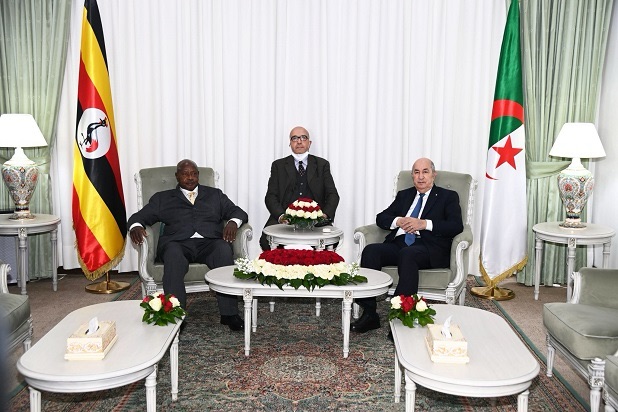
President of Algeria Abdelmadjid Tebboune, has maintained active diplomatic and economic relations with Ugandan President Yoweri Museveni.
The annual celebration has become an important occasion for diplomatic engagement and the strengthening of relations between Algeria and Uganda.
Last year’s celebrations attracted more than 25 ambassadors representing diplomatic missions based in Kampala, demonstrating the significance attached to Algeria’s national day by members of the diplomatic community.
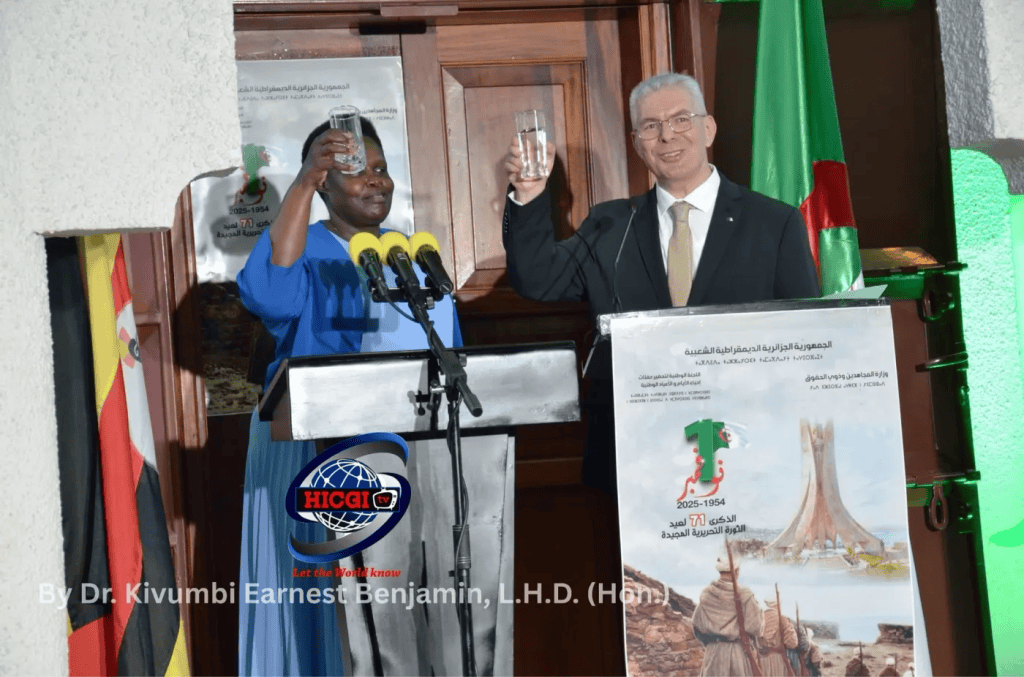
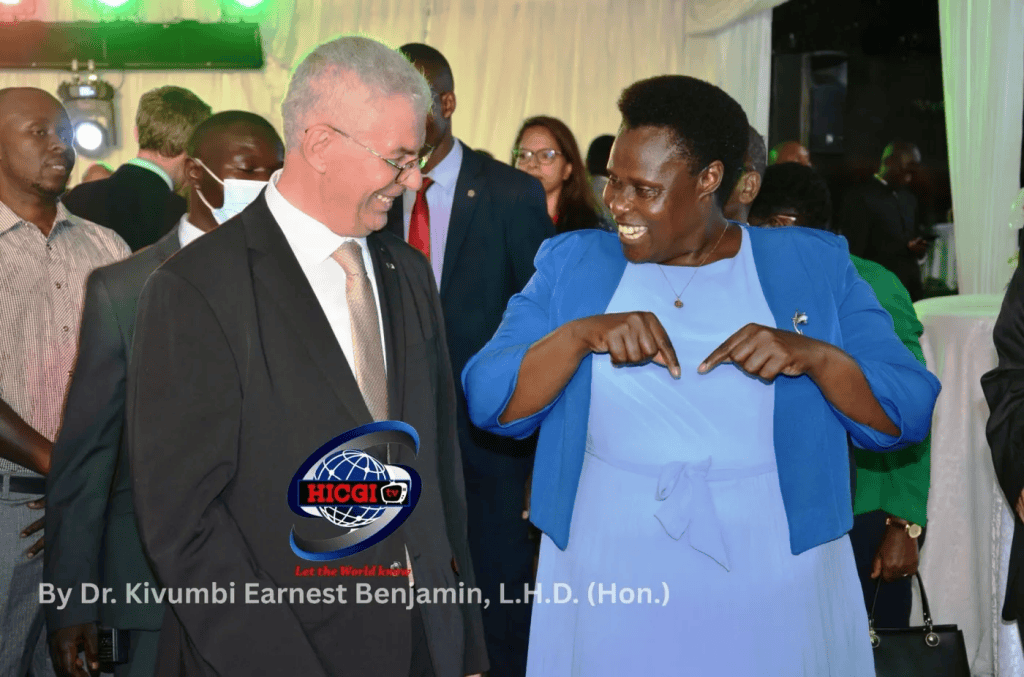
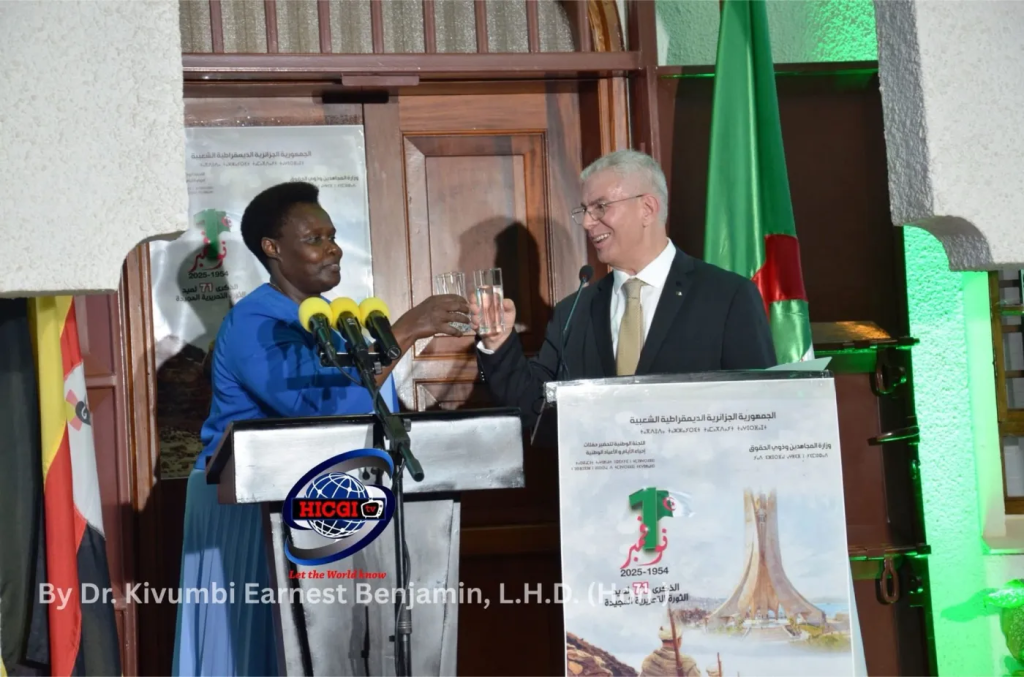
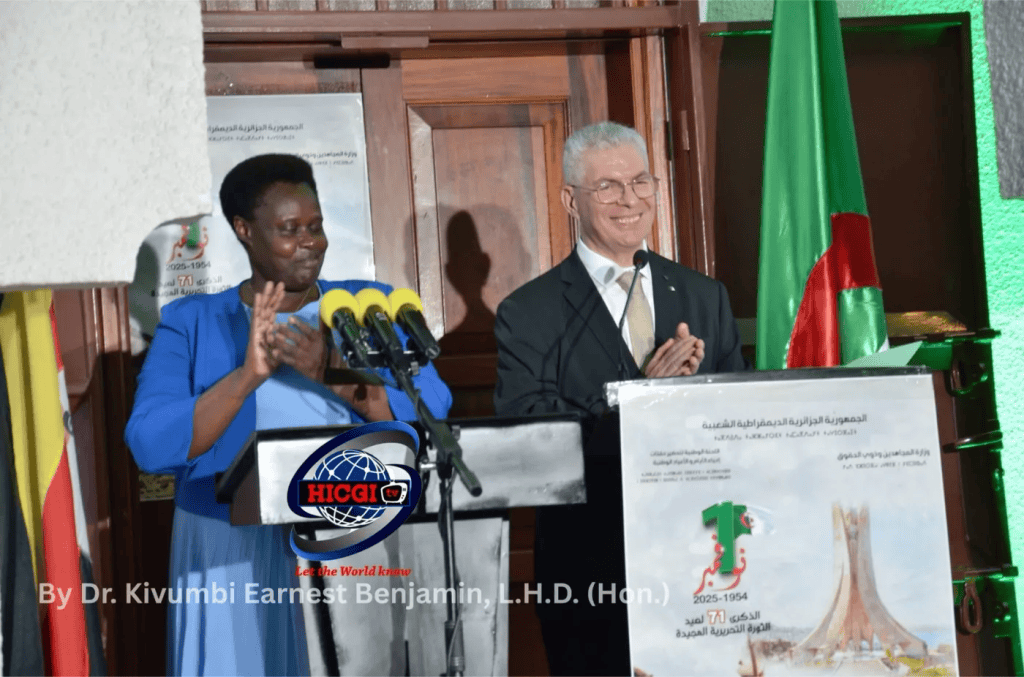
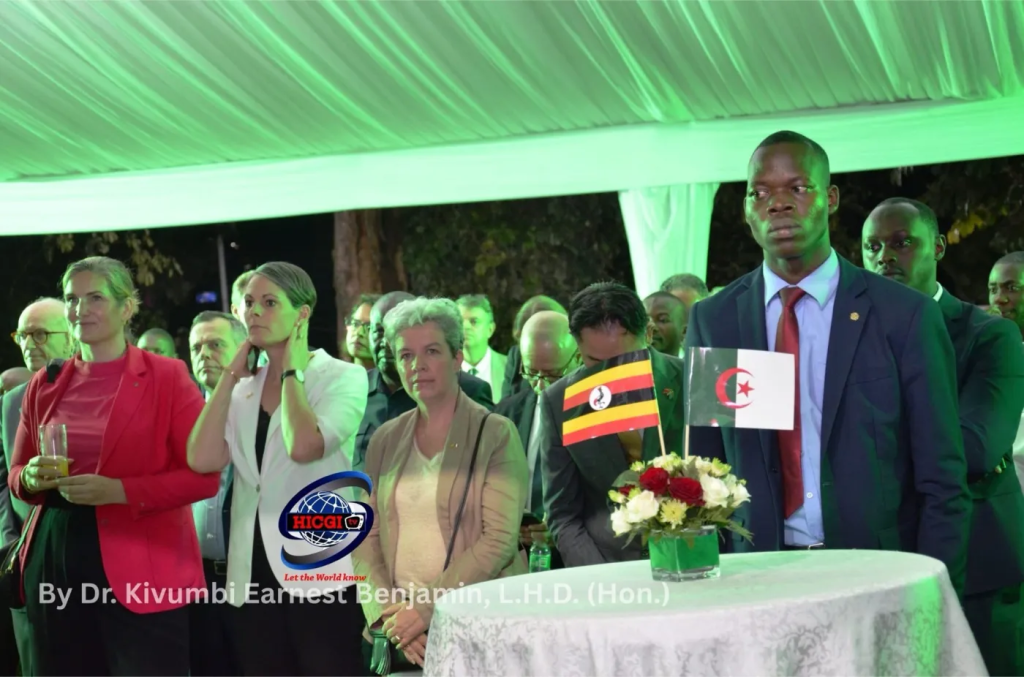
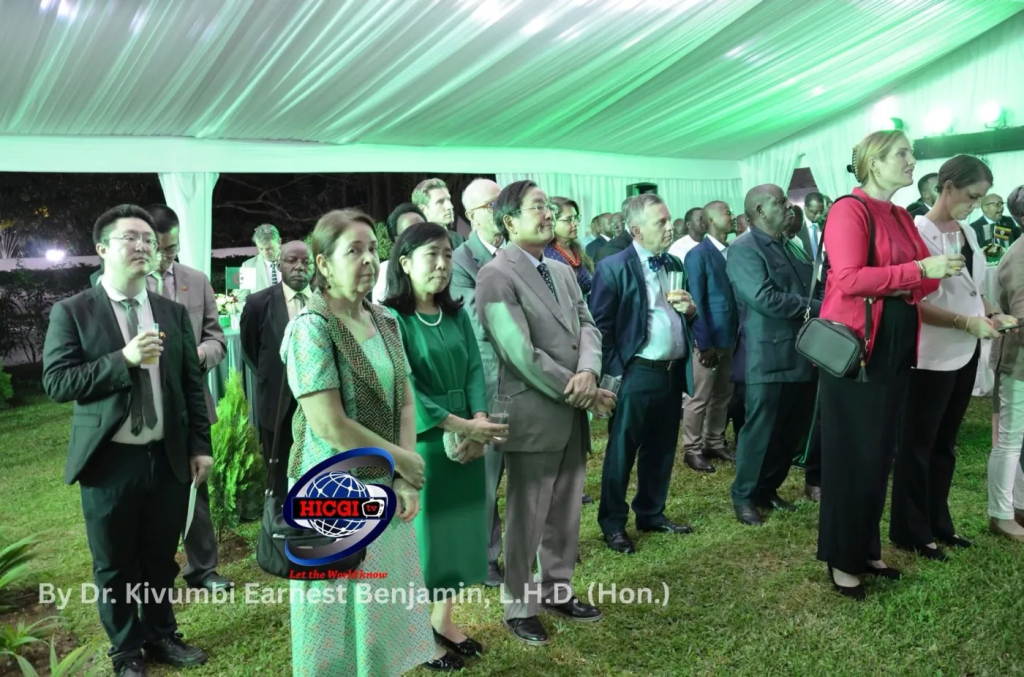
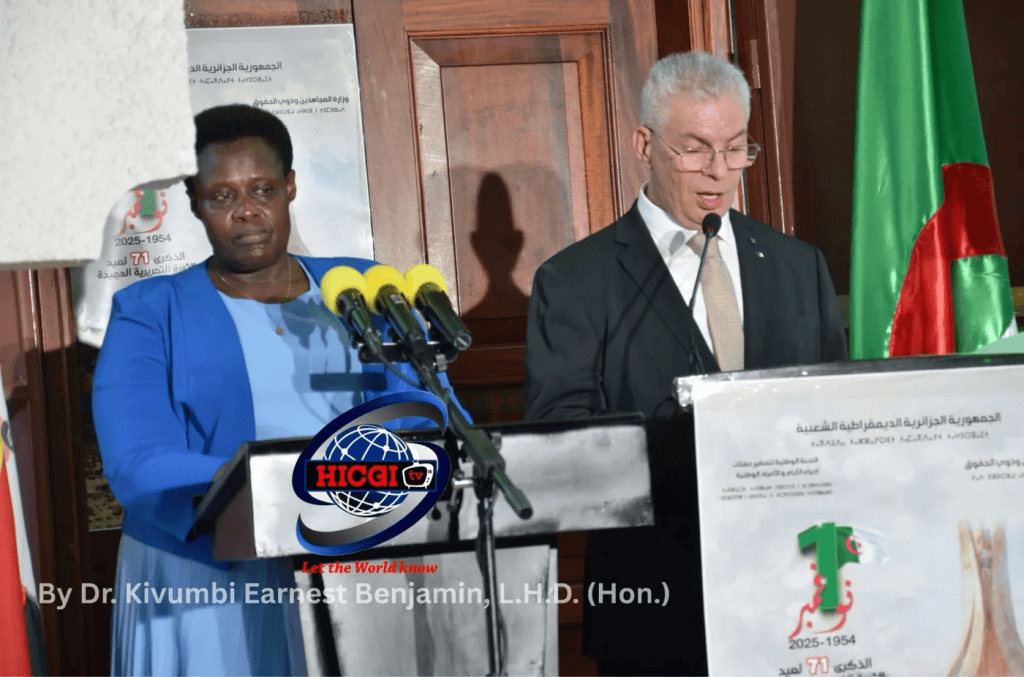
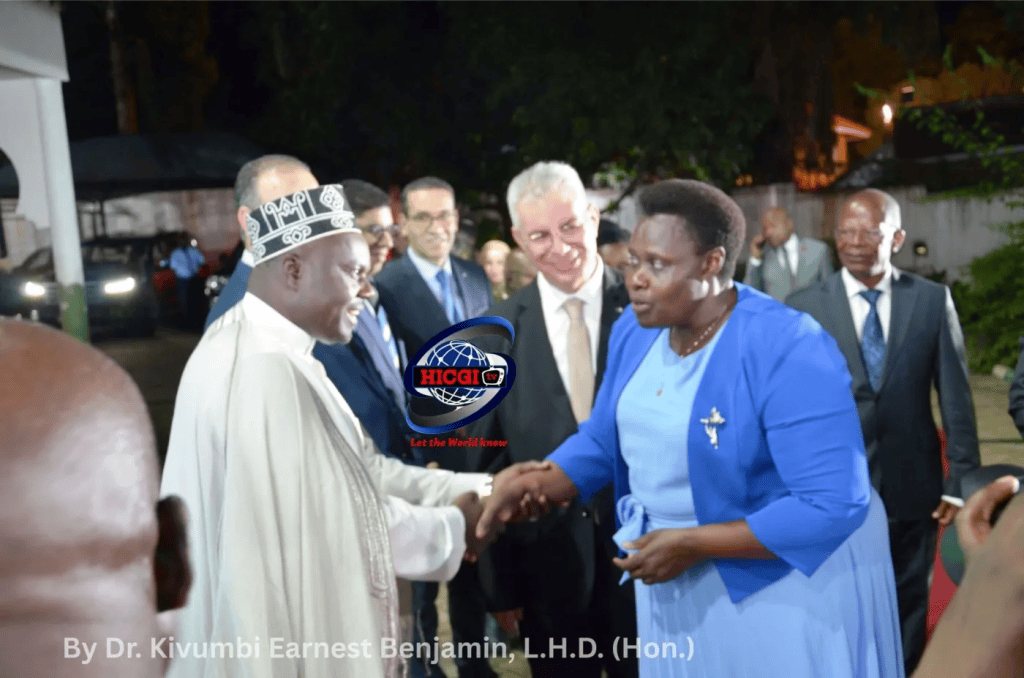
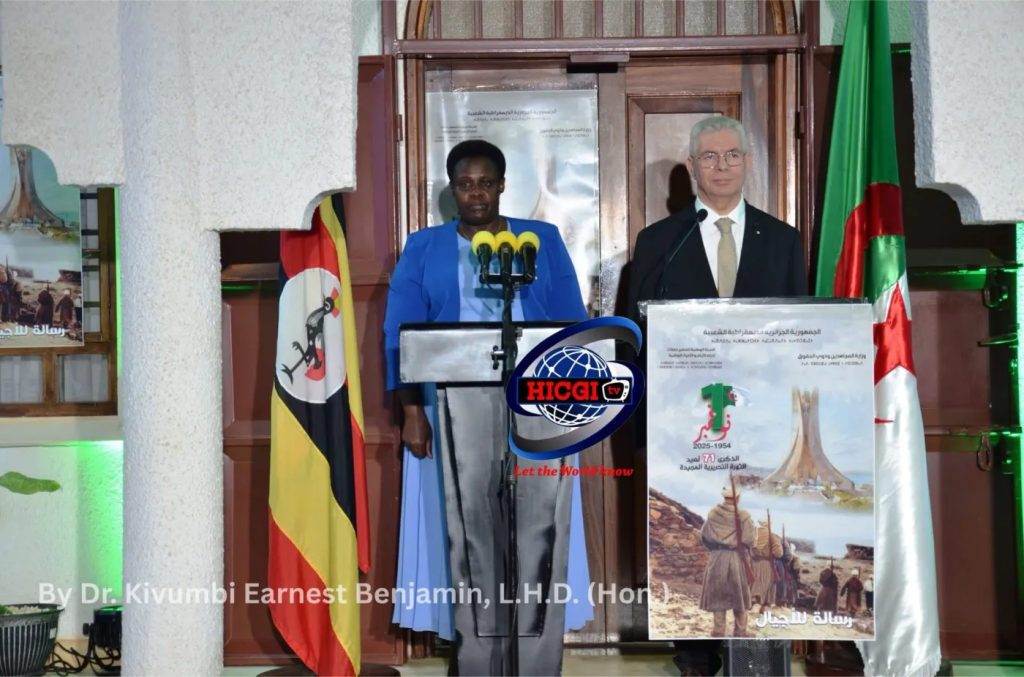
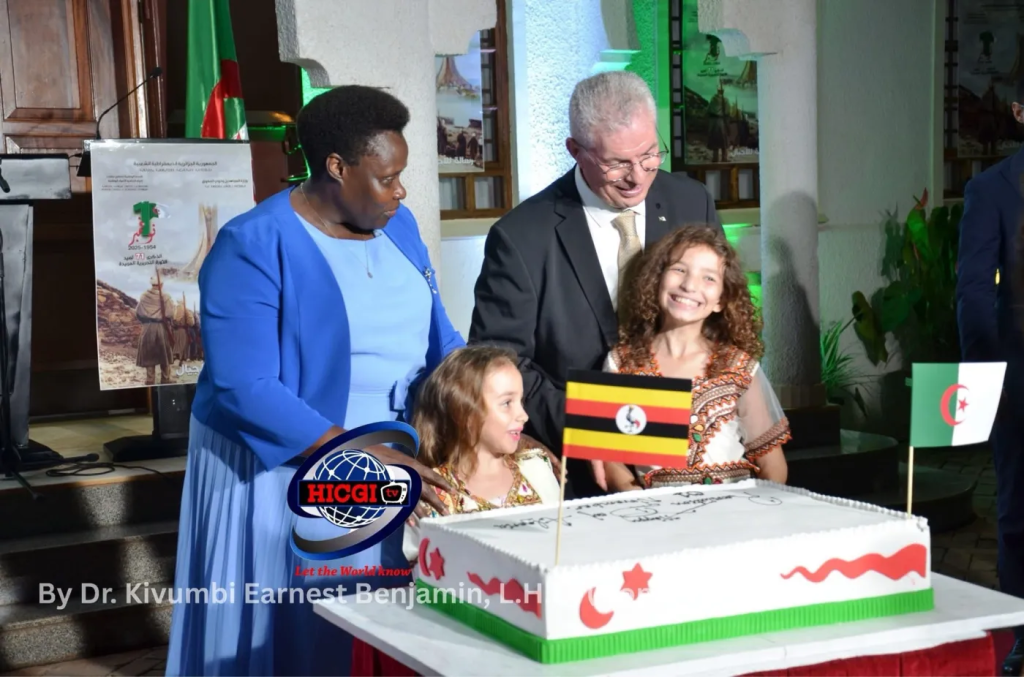
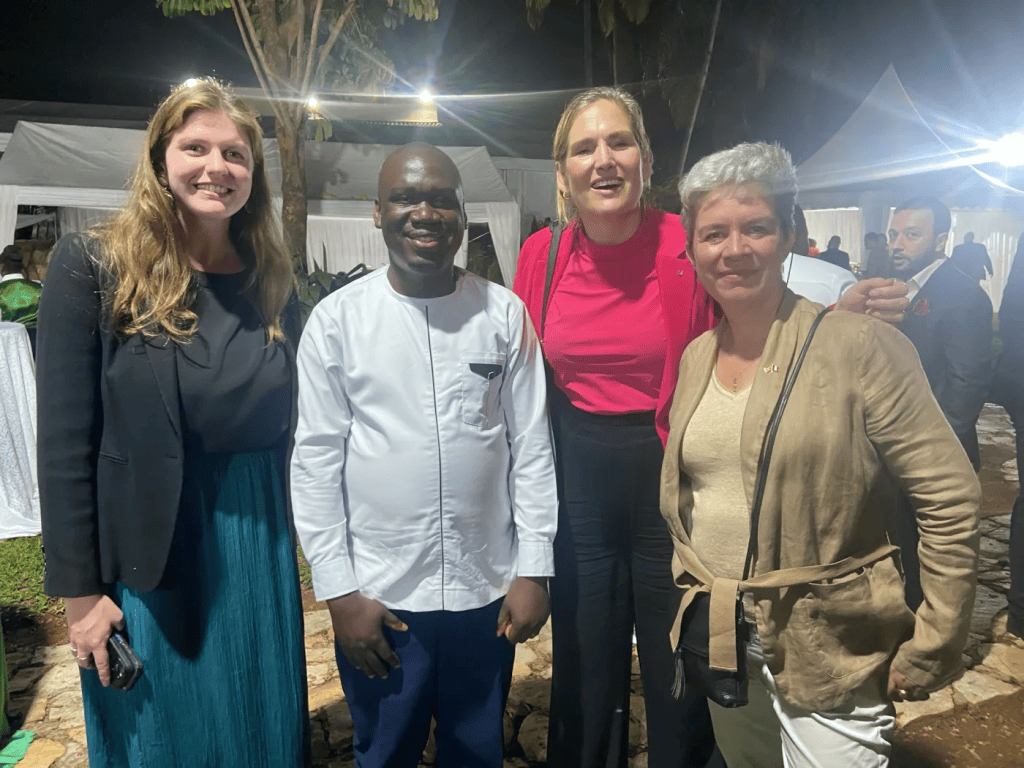
Uganda’s President, H.E. Yoweri Kaguta Museveni, delegated Vice President H.E. Jessica Alupo to represent him at last year’s celebrations, underlining the occasion’s importance in Uganda’s diplomatic calendar.
This year’s gathering is expected to provide another opportunity for Ugandan government officials, diplomats and other distinguished guests to celebrate Algeria’s history while reflecting on the longstanding bonds of friendship and cooperation between the two countries.
The Revolution that changed Algeria’s history
The Algerian Revolution began on 1 November 1954, when the National Liberation Front (FLN) and its armed wing, the National Liberation Army (ALN), launched coordinated operations against French colonial rule.
The revolution followed decades of resistance, political mobilisation and demands for equality, dignity and national self-determination. The events of May 1945, when French forces violently suppressed demonstrations in Sétif, Guelma and Kherrata, had further intensified opposition to colonial rule.
The armed struggle that followed lasted nearly eight years and came at an enormous human cost. Nevertheless, the Algerian liberation movement sustained its campaign for independence while attracting growing international attention and support for the principle of self-determination.

The signing of the Evian Accords in March 1962 paved the way for a ceasefire and a referendum on independence. Algerians voted overwhelmingly for independence on 1 July 1962, and the country formally achieved independence on 5 July 1962, ending 132 years of French colonial rule.
The revolution remains a defining chapter in Algeria’s national history and an important reference point in Africa’s broader decolonisation story.
Algeria and Uganda: A shared year of independence
The anniversary carries particular significance for Uganda because both Algeria and Uganda achieved independence in 1962.
While Algeria celebrates its independence on 5 July, Uganda marks its independence on 9 October. Their shared historical milestone provides a foundation for continued dialogue on African solidarity, sovereignty, economic development and international cooperation.
Over the decades, Algeria and Uganda have maintained diplomatic relations and opportunities for further collaboration in trade, agriculture, education, health, technology, investment and other areas of mutual interest.

The annual anniversary celebration in Kampala therefore offers more than an opportunity to commemorate Algeria’s history. It also provides a platform for strengthening diplomatic relations and exploring partnerships that can deliver tangible benefits to citizens of both countries.
Lessons from the Algerian Revolution for Africa
As Africa continues to pursue economic transformation, the anniversary offers an opportunity to reflect on the meaning of independence beyond the attainment of political sovereignty.
The sacrifices made during Algeria’s liberation struggle highlight the importance of national unity, dignity and the right of peoples to determine their own future.
For contemporary African societies, the challenge is to translate the achievements of independence into quality education, accessible healthcare, industrial development, employment opportunities, stronger institutions and improved living standards.

Greater cooperation among African countries is also essential to expanding trade, strengthening local industries, advancing technological innovation and creating opportunities for the continent’s growing youthful population.
Remembering the heroes and preserving their legacy
The 72nd anniversary of the Algerian Revolution will provide an opportunity for guests in Kampala and elsewhere to remember the men and women who contributed to the struggle for liberation.
For Algeria, 1 November is not simply a date on the national calendar; it marks the beginning of a defining struggle that reshaped the country’s destiny and contributed to the wider movement against colonialism.
As diplomats and Ugandan officials gather at Ambassador Amokrane Mourad’s residence on Monday, 2 November 2026, the commemoration is expected to celebrate Algeria’s history while reinforcing the importance of friendship, mutual respect and cooperation among nations.
The 72nd anniversary stands as a reminder that the sacrifices of previous generations carry a continuing responsibility: to protect human dignity, promote peace and build a future in which independence delivers meaningful opportunities for all.
HICGI News Agency — Covering Africa, diplomacy, global affairs and sustainable development.