
By Dr Kivumbi Earnest Benjamin, L. H. D, (Hon) Gordon Anastasias Sekandi & Faith Barbara Ruhinda
Uganda and Algeria have reaffirmed their longstanding diplomatic relations and commitment to strengthening economic cooperation, trade, education, energy and African solidarity as Algeria commemorates the 72nd anniversary of its Glorious Revolution of November 1, 1954.
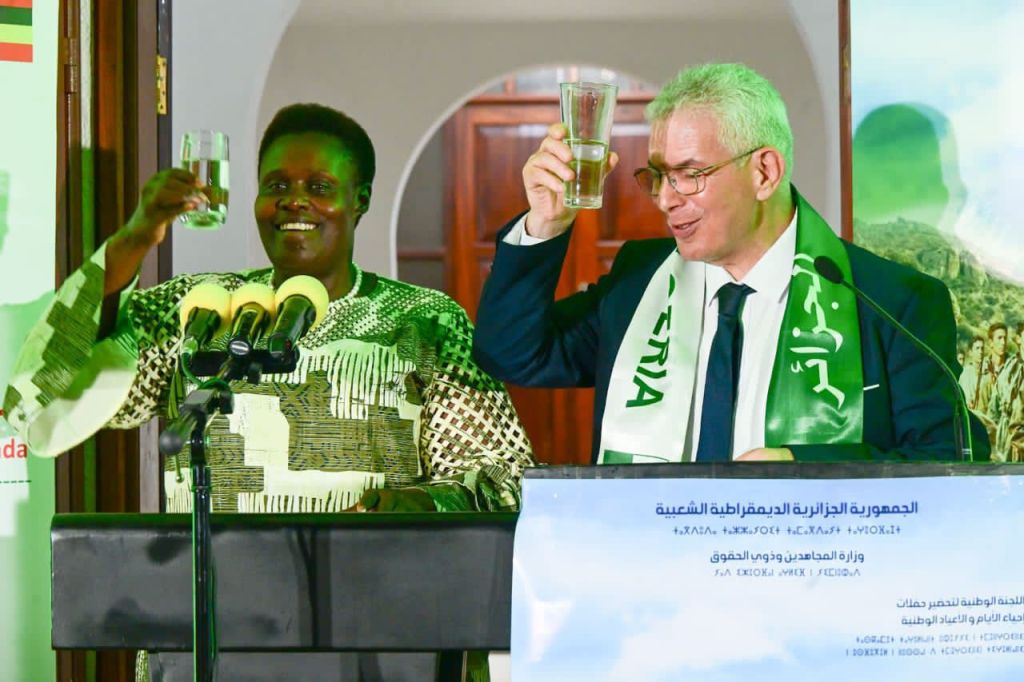
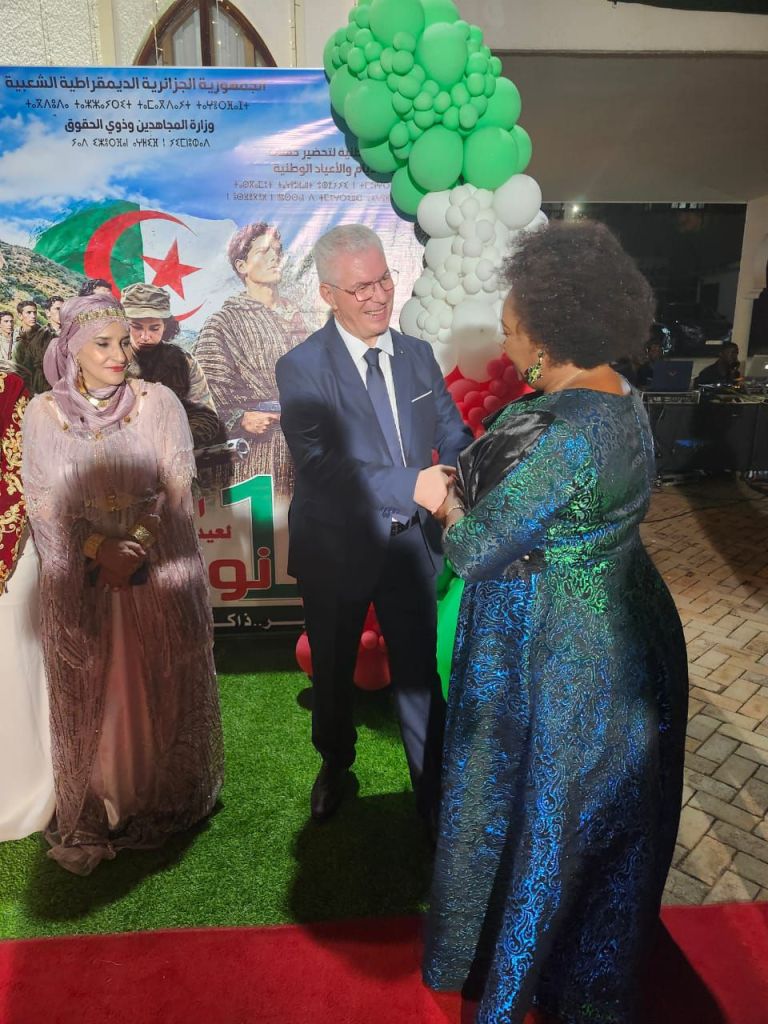
The celebrations, held in Kampala, brought together Uganda’s Vice President, H.E. Maj. (Rtd) Jessica Alupo, who was the Guest of Honour, Algeria’s Ambassador to Uganda, H.E. Mourad Amokrane, government officials, Members of Parliament, diplomats, members of the Algerian community and other distinguished guests.
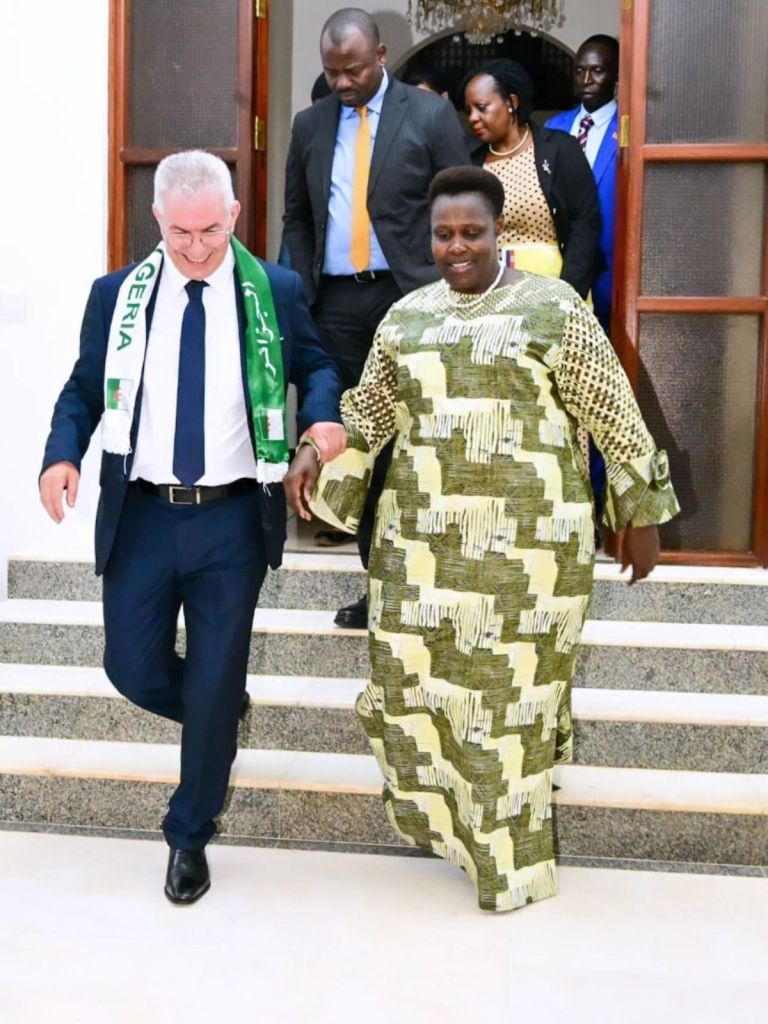
In her congratulatory message, Vice President Alupo, representing President Yoweri Kaguta Museveni, congratulated the Government and people of Algeria, describing the 1954 Revolution as an important milestone in Africa’s collective struggle against colonialism and the pursuit of self-determination.
Alupo noted that Algeria’s liberation struggle remains an inspiration to African countries, including Uganda, which attained independence in 1962.
She observed that the historical relationship between the two countries is founded on brotherhood, shared liberation struggles, mutual respect and a common commitment to African unity, peace and security.
The Vice President highlighted the growing economic cooperation between Uganda and Algeria, particularly following President Museveni’s State Visit to Algiers in 2023.
She revealed that Uganda’s dairy products are already being exported to Algeria, with the first consignment having been flagged off by President Museveni. Uganda’s coffee has also entered the Algerian market, while Algeria has expressed interest in importing Ugandan meat.
Alupo assured Algeria that Uganda is ready to meet the necessary export requirements, including Halal certification, to facilitate increased agricultural exports.
She further highlighted Algeria’s contribution to Uganda’s education sector through scholarship opportunities, noting that the Algerian Government offered approximately 500 scholarships for the 2024 academic year in fields including information technology, medicine, veterinary medicine, agriculture, engineering, tourism, minerals and energy.
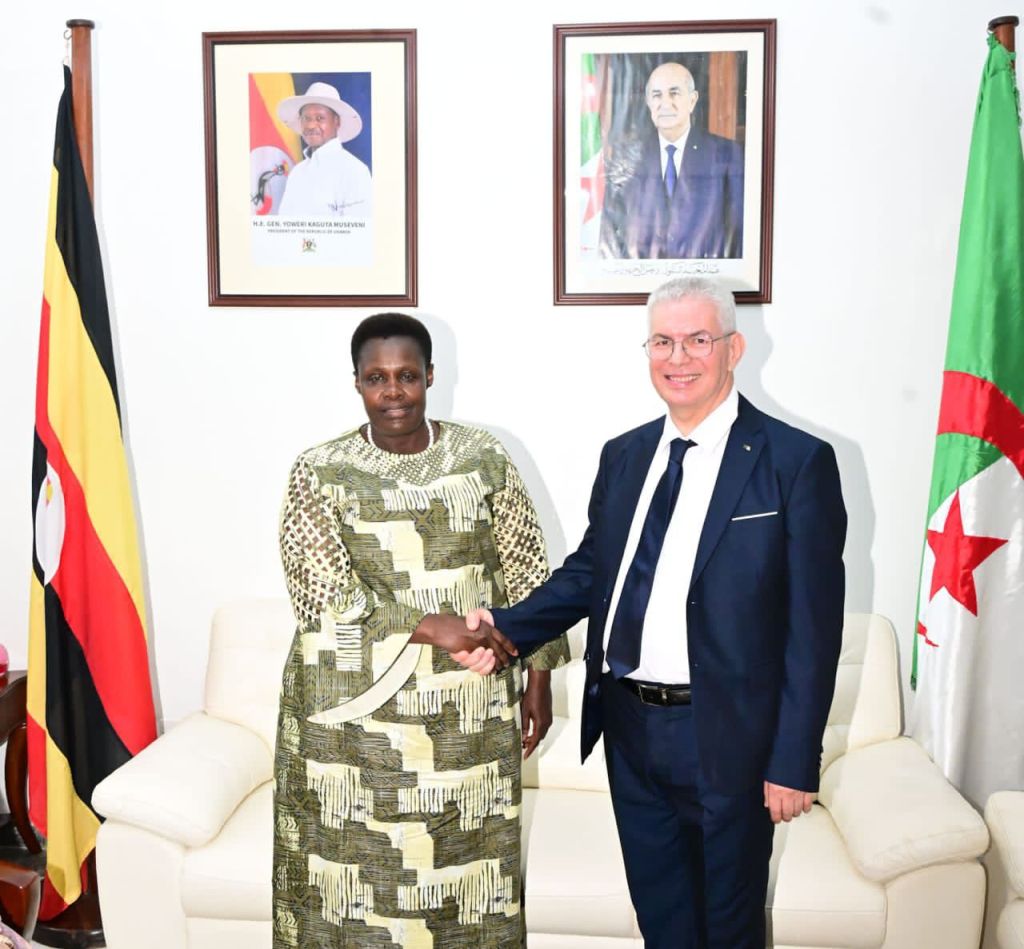
The Vice President also pointed to ongoing business engagements between the two countries, including opportunities for Uganda to export fruits, vegetables and sweet bananas while importing machinery, pharmaceuticals and agricultural chemicals from Algeria.
She welcomed the establishment of the Uganda-Algeria Joint Business Council and the signing of Memoranda of Understanding between the two countries’ Chambers of Commerce and Industry.
Alupo reaffirmed Uganda’s commitment to working with Algeria and other international partners to promote peace, security and sustainable development across Africa.
ALGERIA SEEKS STRONGER ECONOMIC PARTNERSHIP WITH UGANDA
Addressing the gathering, Ambassador Mourad Amokrane described the Algerian Revolution of November 1, 1954, as a defining moment in the country’s history and a universal symbol of freedom, dignity and self-determination.
He recalled that the revolution began after more than a century of French colonial rule, with coordinated actions launched by the National Liberation Front (FLN) and its armed wing, the National Liberation Army (ALN).
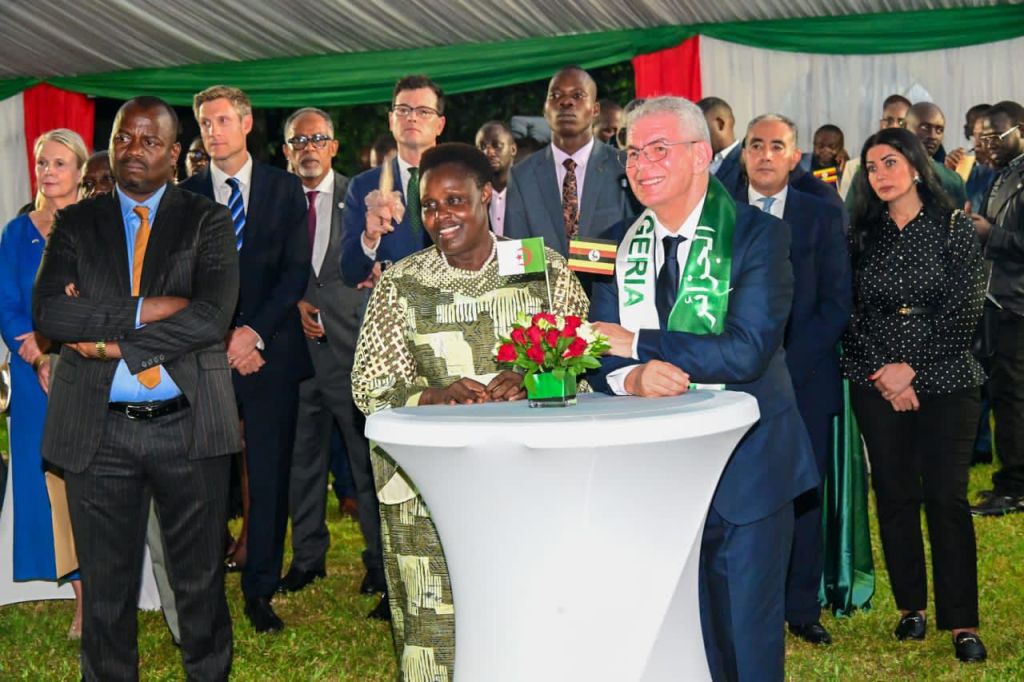
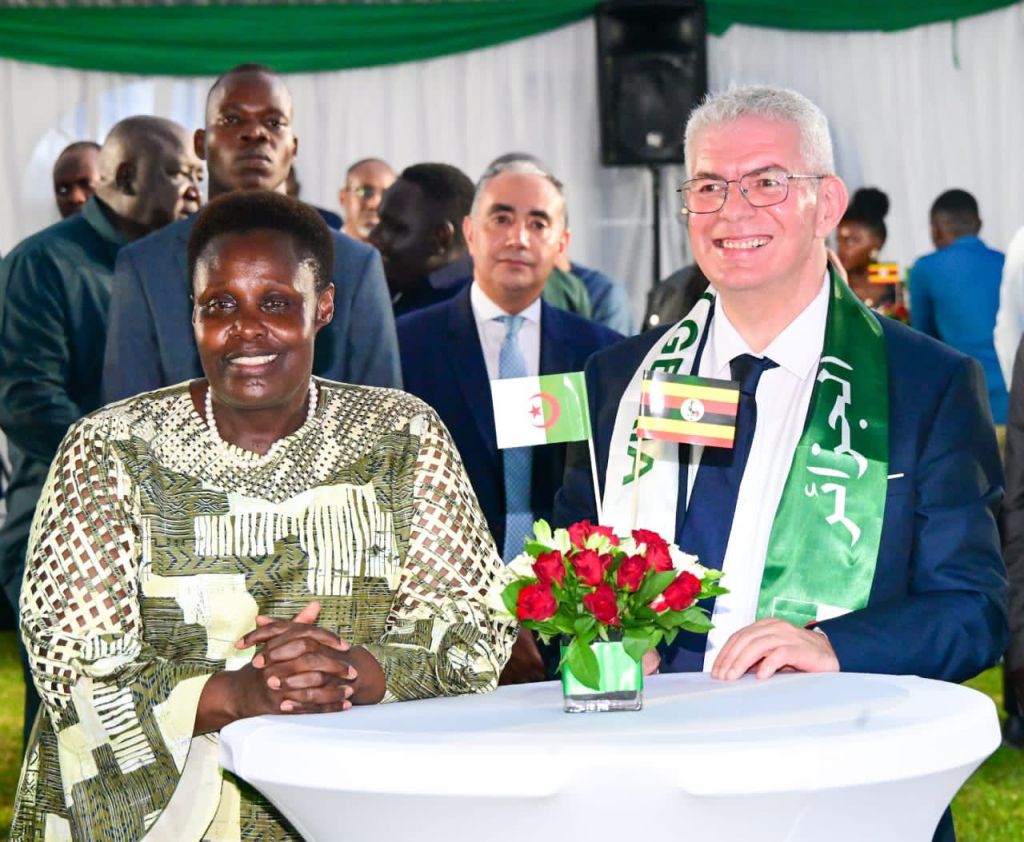
The struggle lasted nearly eight years and culminated in Algeria’s independence in 1962, following the July 1 referendum and the subsequent proclamation of independence on July 5, 1962.
The Ambassador noted that Algeria’s independence in the same year as Uganda’s created another important historical connection between the two African nations.
He paid tribute to the Algerian martyrs and liberation heroes, emphasizing that independence represents not only freedom from foreign domination but also the responsibility to protect national sovereignty, dignity, unity and development.
Amokrane also recalled Algeria’s historic contribution to African liberation movements, including support for the ANC in South Africa, MPLA in Angola, FRELIMO in Mozambique, SWAPO in Namibia and PAIGC in Guinea-Bissau.
He reaffirmed Algeria’s continued support for the right of the Sahrawi people of Western Sahara to self-determination and the establishment of an independent and sovereign Palestinian state.
TRADE, ENERGY AND INVESTMENT OPPORTUNITIES
Turning to bilateral relations, Ambassador Amokrane emphasized that Uganda and Algeria should move beyond their traditional areas of cooperation and explore new economic opportunities.
He identified agro-processing, pharmaceuticals, manufacturing, construction materials, transport and logistics, digital technology and tourism as promising sectors for investment and commercial partnerships.
He also highlighted opportunities in energy and mining, noting that Algeria’s experience in oil and gas, electricity generation, transmission and energy infrastructure could complement Uganda’s efforts to develop its energy resources and expand industrial production.
In the mining sector, he called for stronger cooperation in geological exploration, mining services, processing technologies and mineral value addition.
The Ambassador stressed the importance of moving beyond exporting raw materials towards local processing, employment creation, skills development and the development of stronger industrial value chains.
He encouraged increased business missions, commercial exhibitions and private-sector engagement to translate the strong political relations between the two countries into tangible economic benefits.
OVER 600 UGANDAN STUDENTS BENEFIT FROM ALGERIAN SCHOLARSHIPS
Education was another major area highlighted by the Ambassador, who disclosed that more than 600 Ugandan students had benefited from Algeria’s scholarship programme over the past three years alone.
He described the scholarships as an investment in human capital, knowledge exchange, mutual understanding and the future of Uganda-Algeria relations.
Amokrane called for continued cooperation in healthcare, education and people-to-people exchanges, emphasizing that the strength of diplomatic relations should ultimately be measured by the benefits they deliver to citizens.
He also encouraged both countries to deepen their cooperation through the African Union and other multilateral institutions, particularly in advancing peace, regional integration and sustainable development.
The Ambassador identified the African Continental Free Trade Area (AfCFTA) as an important opportunity for Uganda and Algeria to expand trade and create new markets for African businesses.
A SHARED VISION FOR AFRICA
Both leaders emphasized the importance of African solidarity, sovereignty, peaceful coexistence and African-led solutions to continental challenges.
While Uganda reaffirmed its commitment to regional and international peace initiatives, Algeria called for stronger African partnerships that promote innovation, industrialization, economic independence and greater African influence in international affairs.

The celebrations concluded with renewed calls to strengthen the historic friendship between Uganda and Algeria and translate their diplomatic goodwill into practical cooperation that benefits their respective populations.
The occasion also served as a reminder of the sacrifices made by previous generations in the struggle for independence and the responsibility of present and future generations to safeguard freedom, dignity, peace and prosperity.
HIGH-LEVEL DIPLOMATIC REPRESENTATION
The colourful diplomatic reception, held at the residence of the Algerian Ambassador in Kampala, attracted high-level representation from the Government of Uganda and the international diplomatic community.
The event was attended by Uganda’s State Minister for Foreign Affairs, Hon. Haruna Kasolo, former Minister of State for Foreign Affairs in charge of International Cooperation, Hon. Okello Oryem, and several heads of diplomatic missions and international organisations.
Among the diplomatic representatives present were Ambassadors and representatives from Italy, Sweden, Belgium, the European Union, Austria, Russia, Cuba, Venezuela and the United States of America, alongside representatives of African countries, with Burundi notably absent, as well as Ambassadors from Asian countries.
Heads and representatives of international organisations also attended the celebrations, underscoring the broad international interest in Algeria’s historic liberation journey and its continuing engagement with Africa and the wider international community.
The gathering provided an opportunity for diplomatic engagement, strengthening international friendships and reaffirming the importance of cooperation in addressing shared regional and global challenges.