
By Dr. Kivumbi Earnest Benjamin, L. H. D (Hon) Updated at 1635 EAT on Monday 23rd November 2026
ADDIS ABABA, ETHIOPIA
President Yoweri Kaguta Museveni has called on African countries to strengthen regional cooperation, invest in public health institutions and work together to address health emergencies, saying the continent’s peace, security and health are inseparable.
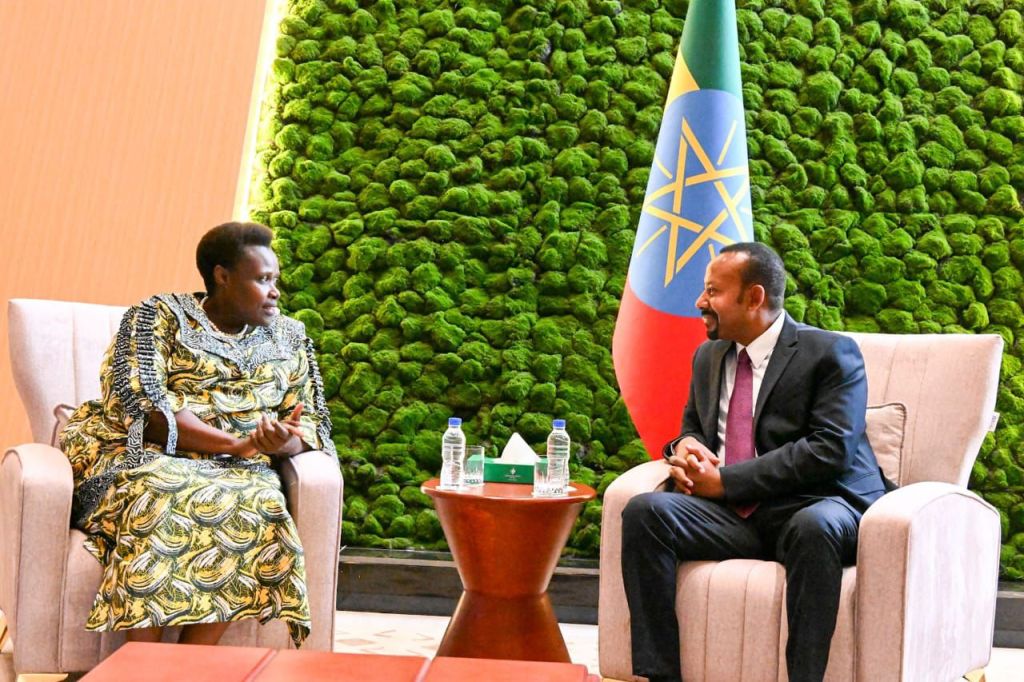
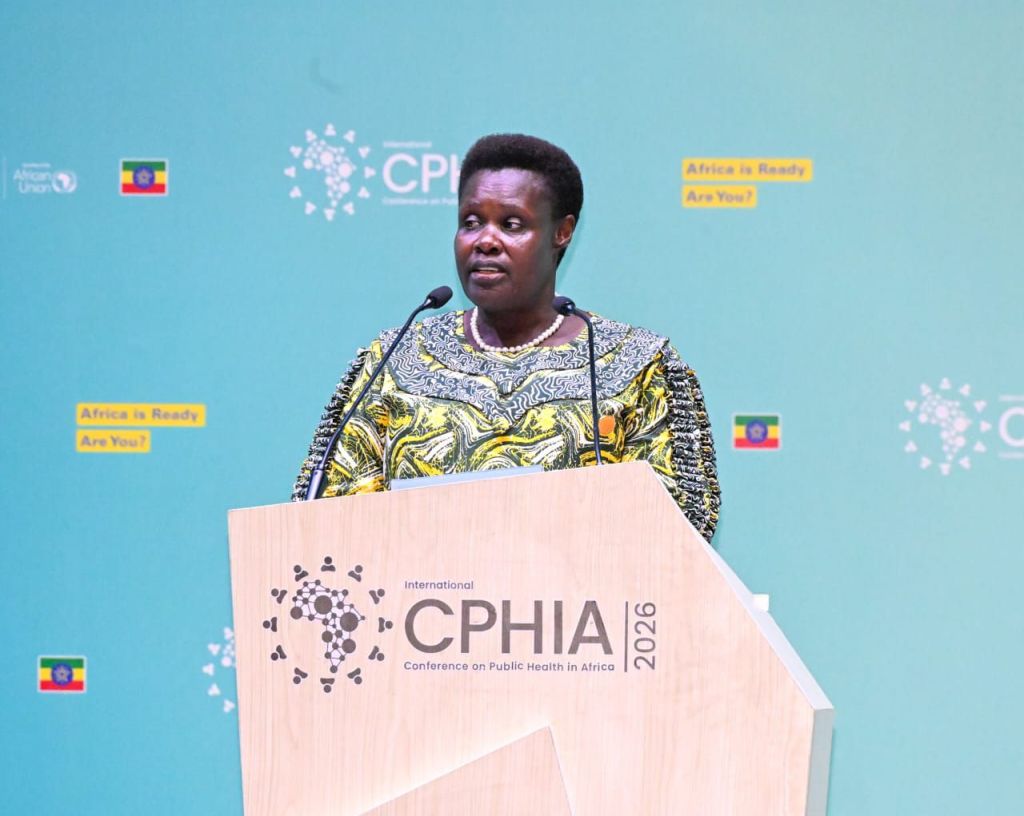
Museveni made the call in his keynote address at the 2026 Conference on Public Health in Africa (CPHIA) Special Session held at Nelson Mandela Hall in Addis Ababa, Ethiopia, on November 24, 2026.
The session, held under the theme “Africa’s Destiny Is Indivisible: Peace, Security and Shared Responsibility for the Health of Our People,” brought together African leaders, health experts, scientists, development partners and other stakeholders to discuss the continent’s public health challenges.
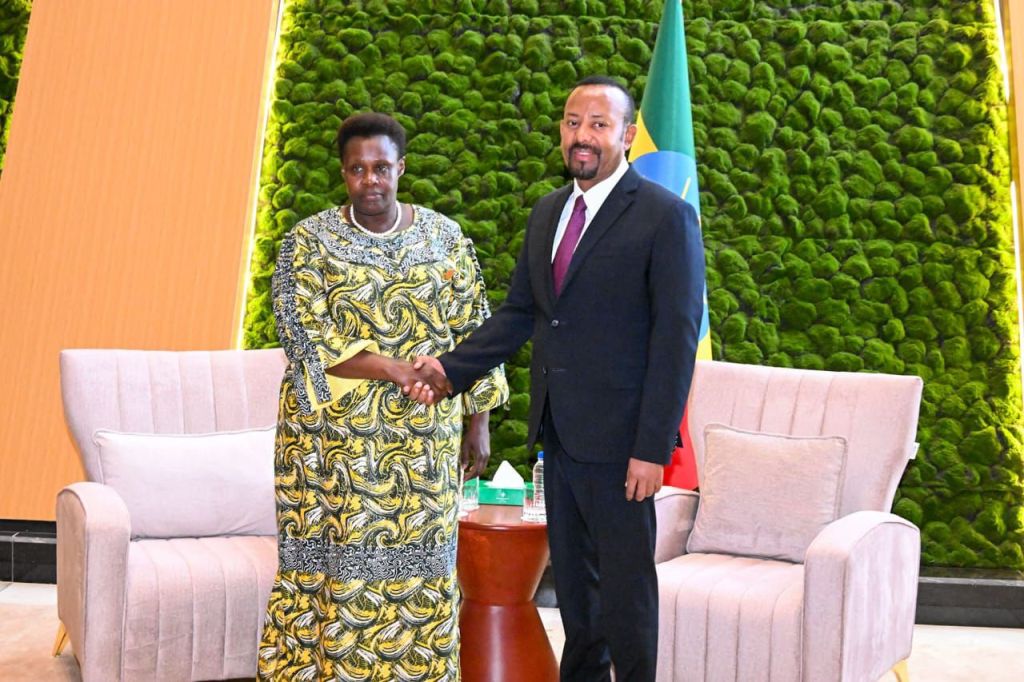
In his address, Museveni said Africa’s political independence must now be accompanied by efforts to ensure that citizens enjoy security, opportunities and confidence in their future.
He noted that disease outbreaks, hunger, displacement and conflict continue to threaten the lives of African people, stressing that the continent must address these challenges collectively.

“The health of a nation cannot be separated from its peace and security,” Museveni said, highlighting how insecurity, displacement and unsafe roads can prevent health workers from reaching affected communities and delay the detection of disease outbreaks.
He described inaccessible communities as epidemiological blind spots, warning that the suffering of people in such areas may remain unnoticed until a crisis escalates.
The President cited Uganda’s experience in responding to major public health challenges, including HIV, Ebola, Marburg, COVID-19 and mpox, saying the country’s history had demonstrated the importance of strong institutions and preparedness.

He said Uganda’s engagements in Somalia, the Democratic Republic of Congo and South Sudan had further reinforced the need for regional cooperation in addressing public health emergencies.
Museveni pointed to Uganda’s collaboration with the Democratic Republic of Congo during the Bundibugyo Ebola emergency, including support for response capacity and treatment arrangements serving communities across the border.
He also highlighted a Memorandum of Understanding on cross-border health security signed between Uganda and South Sudan, saying such agreements provide a foundation for information sharing, trust and joint action.
The President called for African countries to place greater emphasis on South-South cooperation, arguing that nations on the continent have valuable experiences and capabilities they can share in addressing common challenges.
He said partnerships with international development partners remain important, but Africa should increasingly build its own capacity to respond to emergencies.
Museveni also called for the effective use of military and security institutions’ capabilities during public health and humanitarian emergencies, including medical services, engineering, transport, logistics and communications.

He emphasised, however, that such support should operate under civilian leadership, national law and humanitarian principles, noting that the objective should be to save lives rather than militarise public health.
The President further urged African governments to invest in doctors, nurses, scientists, public health professionals and community leaders, describing them as custodians of the continent’s collective future.
He said sustainable resilience requires strong institutions that can withstand pressure and continue serving citizens long after emergencies have passed.
Museveni also stressed the importance of regular consultations among African leaders, saying relationships built during peaceful times would determine how effectively countries respond to crises.
He urged governments to share knowledge, mobilise support early and ensure that no country is left to face major emergencies alone.
“The future of Africa will not be secured by any one country acting alone,” he said, calling for solidarity to become a permanent part of African politics rather than a response reserved for moments of tragedy.

Museveni concluded by urging African leaders to build a continent where institutions endure, neighbours support one another and every citizen’s life is valued regardless of where they live.
He said Africa’s borders should not divide its humanity, interests or destiny, reiterating that the health, peace and security of the continent’s people must remain indivisible.

