
By Dr. Kivumbi Earnest Benjamin, L. H. D (Hon.) Updated at 2010 EAT on Tuesday 24th November 2026
ADDIS ABABA, ETHIOPIA
Uganda’s Vice President, H.E. Jessica Alupo, has called on African countries to strengthen their health systems, invest in preparedness and enhance regional cooperation to effectively manage multiple health emergencies, particularly in fragile, resource-constrained and conflict-affected settings.
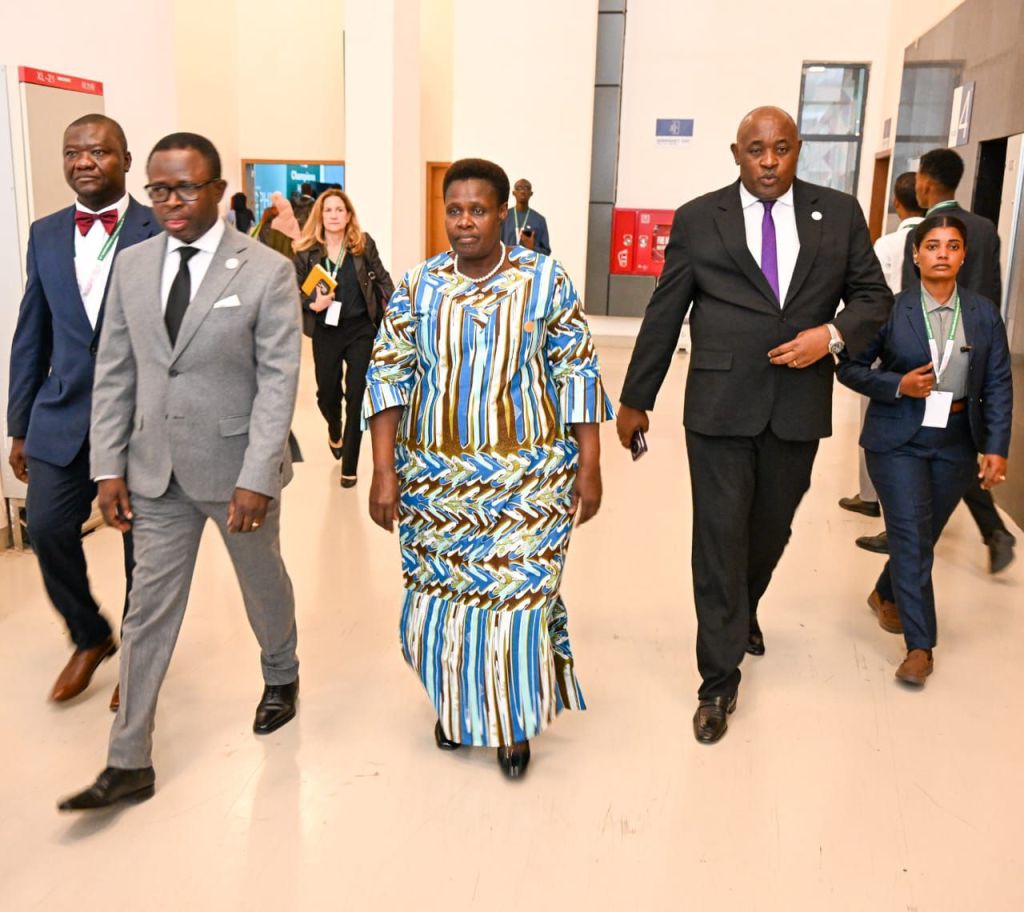
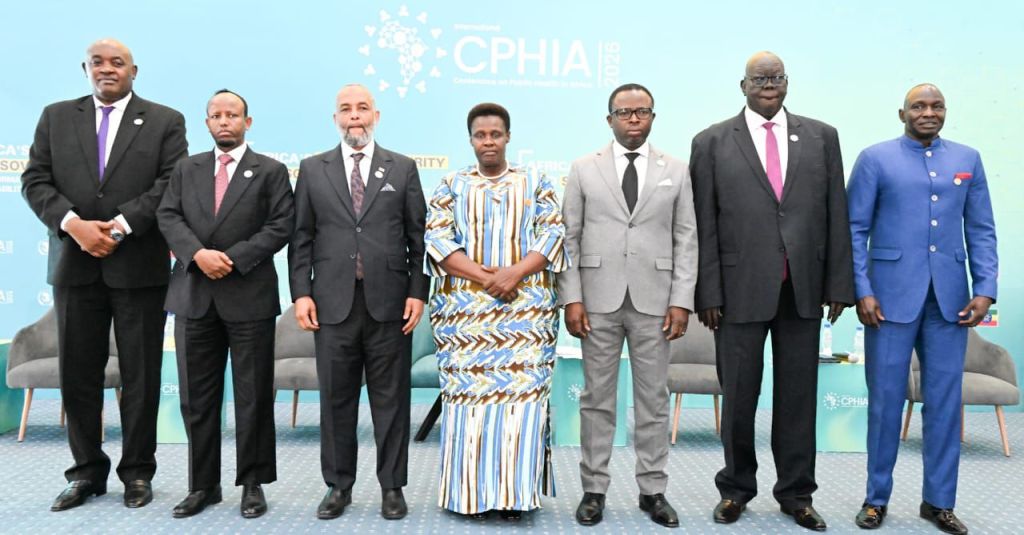
Alupo made the remarks on Tuesday, November 24, 2026, while delivering a keynote address during the 5th Conference on Public Health in Africa (CPHIA 2026) in Addis Ababa, Ethiopia.
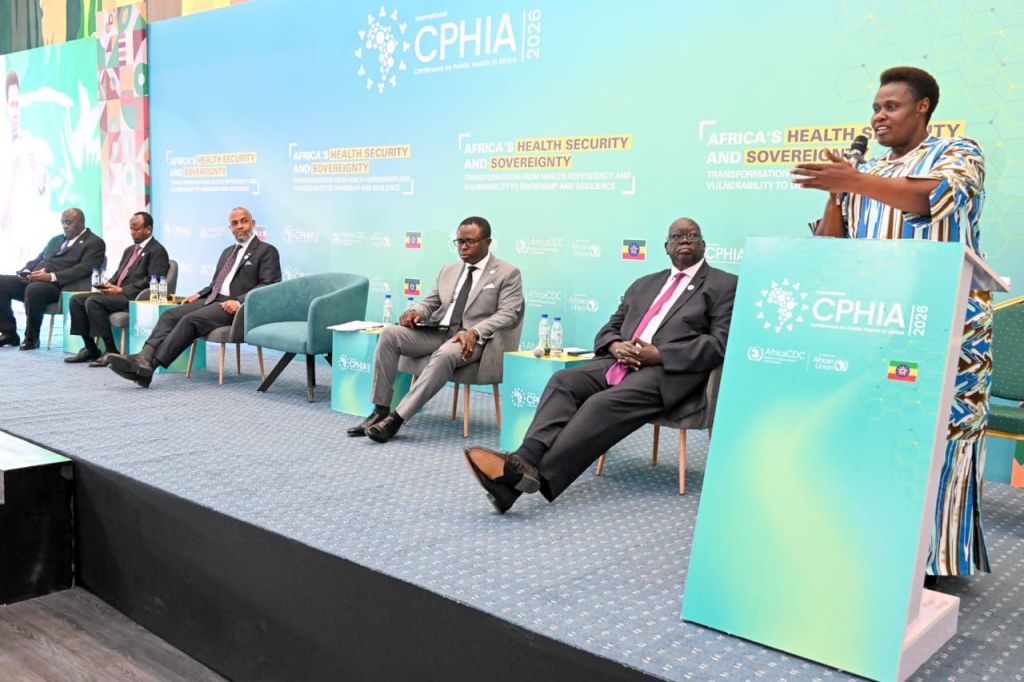
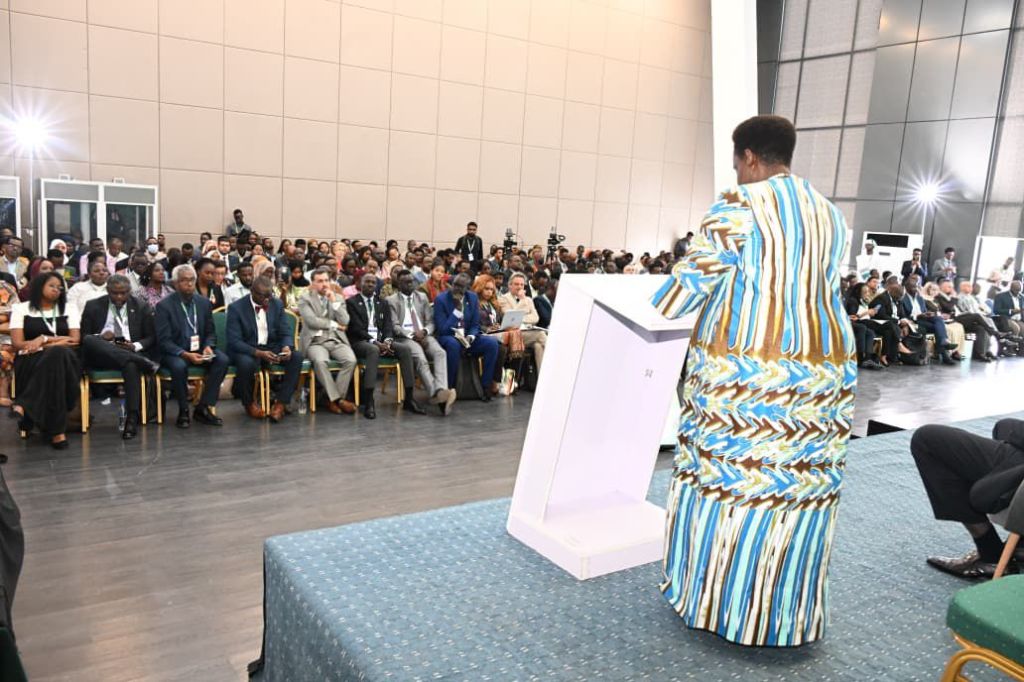
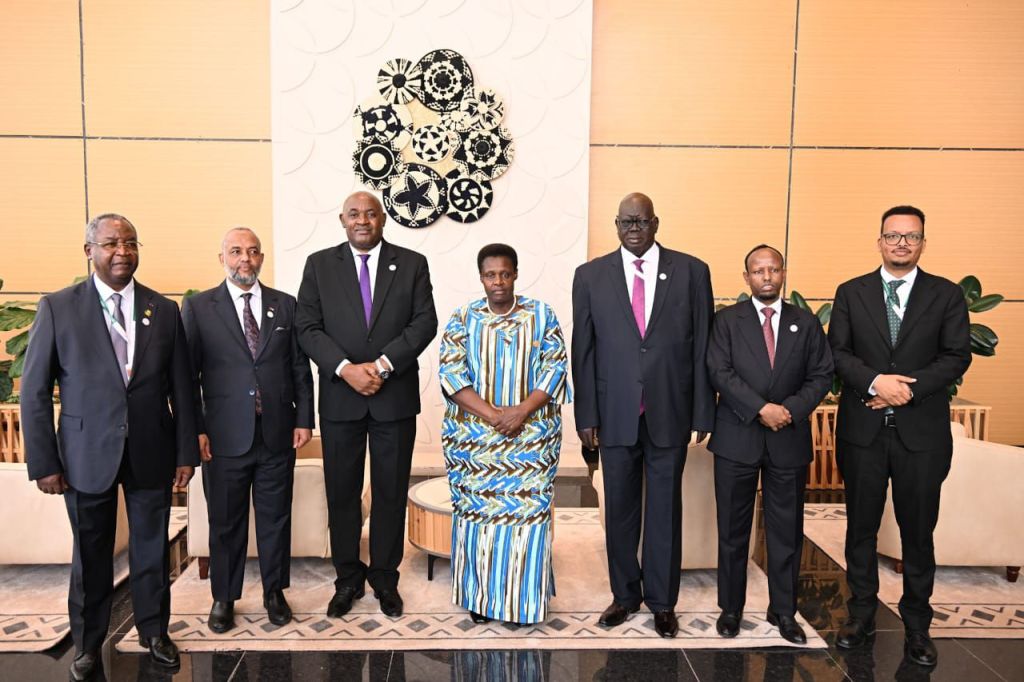
Speaking during a session titled “Leading Through Complexity: Lessons from Managing Concurrent Health Emergencies in Fragile, Resource-Constrained, Humanitarian Crises and Conflict-Affected Settings,” the Vice President emphasised the importance of decisive leadership, continuity of essential health services and coordinated regional responses.
She conveyed warm greetings from President Yoweri Kaguta Museveni and shared Uganda’s experience in managing public health emergencies while maintaining routine health services.

“An emergency rarely waits for another emergency to end,” Alupo said, noting that outbreaks often occur alongside displacement, food insecurity and conflict, placing additional pressure on already stretched health systems.
Uganda’s experience in managing epidemics
The Vice President highlighted Uganda’s experience in managing the 2026 Bundibugyo Ebola outbreak, which was declared in May and ended on July 28, 2026.
According to Alupo, Uganda recorded 20 confirmed cases, including 15 imported and five locally acquired infections. Four health workers were among those infected, while two people died and 18 recovered.
She said more than 800 contacts were monitored during the response, demonstrating the importance of surveillance, contact tracing and community engagement in containing outbreaks.

Alupo also reflected on Uganda’s response to the COVID-19 pandemic, during which the government introduced measures including school closures, movement restrictions, suspension of public transport and lockdowns.
She acknowledged that the measures disrupted education, livelihoods and family life but said they were necessary to slow transmission, protect hospitals from being overwhelmed and provide time to strengthen testing, isolation and treatment capacity.
The Vice President further cited Uganda’s 2022 Ebola outbreak, which was declared on September 20, 2022, and ended on January 11, 2023, after 142 confirmed cases, 55 deaths and 87 recoveries.
She said the experiences demonstrated that leadership during emergencies requires difficult decisions based on evidence, honest communication with the public and measures proportionate to the threat.
Essential health services must continue
Alupo stressed that public health emergencies should not interrupt essential services such as maternal healthcare, immunisation and treatment for people living with HIV, tuberculosis, malaria and other chronic conditions.
She highlighted Uganda’s experience in hosting close to two million refugees and asylum-seekers, many fleeing conflict and instability in neighbouring countries.
The refugee response, she said, continues to place additional demands on health facilities serving both refugees and host communities.

In 2025, health services supported through the refugee response recorded approximately 1.8 million outpatient consultations. Nearly 39,000 children received measles vaccination, with coverage reaching 96.7 per cent.
She also cited Uganda’s achievement of 96 per cent viral suppression among people living with HIV who were on treatment during the 2023/24 financial year, while the tuberculosis treatment success rate improved to 91.3 per cent.
“These figures represent people who continued receiving medicines, attending clinics and receiving care despite the competing demands on our health system,” she said.
Alupo called for sustained investment in health workers, essential medicines, functional health facilities and reliable supply chains to ensure vulnerable communities continue receiving care during emergencies.
Regional cooperation and health sovereignty
The Vice President underscored the need for stronger cross-border cooperation, noting that disease outbreaks, displacement and movement of people do not respect national boundaries.
She cited Uganda’s cooperation with the Democratic Republic of Congo, including the deployment of health personnel and response capacity to support efforts in affected areas.
She also welcomed the Memorandum of Understanding signed with South Sudan in September 2026, which provides a framework for joint and coordinated regional preparedness.

Alupo said regional cooperation must go beyond declarations and be reflected in timely information sharing, coordinated action and the ability of neighbouring countries to support one another during emergencies.
She urged African countries to invest in laboratories, trained personnel, research institutions, reliable supply chains and functional health facilities, describing them as the foundation of health security.
The Vice President also called for greater African capacity to manufacture diagnostics, medicines, vaccines and other essential health products, emphasising the need for technology, skilled personnel, infrastructure, quality assurance and sustainable financing.
She noted that Uganda is pursuing these priorities through health sector reforms and the National Health Compact, which targets an increase in the health sector’s share of the national budget to nine per cent by 2030.
Countries urged to turn commitments into action
Alupo encouraged participating countries to identify practical priorities over the next three to six months, including critical preparedness gaps, neighbouring countries requiring stronger cooperation and information that needs to be shared more quickly.
She called for clear national ownership, designated focal persons and mechanisms to monitor progress, with Africa CDC playing an important role in facilitating implementation.
The Vice President concluded by urging African leaders to measure preparedness by the ability of health facilities to remain operational, the availability of essential medicines and the timely response to community needs.
“People do not judge our preparedness by the number of strategies we publish or meetings we convene. They judge us by whether the health centre is open, whether a nurse is present, whether essential medicines are available and whether help arrives when their community raises an alarm,” she said.
Alupo called on African countries to ensure that future emergencies find them better prepared, with stronger institutions, uninterrupted essential services and reliable cooperation among neighbouring states.
She thanked the delegates and concluded her address with Uganda’s national motto: “For God and My Country.”

