
By Dr. Kivumbi Earnest Benjamin, L.H. D (Hon) & Walyamboka Beatrice -updated at 2225 EAT on 09th June 2026
ENTEBBE, Uganda – President Yoweri Kaguta Museveni has met with World Health Organization (WHO) Director-General Dr. Tedros Adhanom Ghebreyesus at State House Entebbe, where the two leaders discussed the Ebola outbreak in the region and strategies to strengthen disease prevention and response efforts.
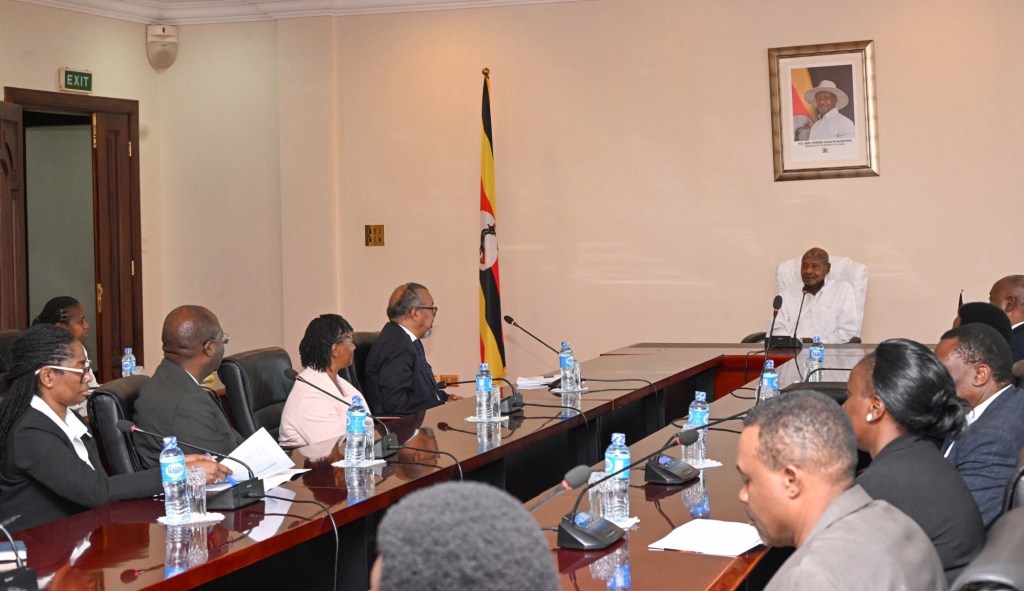
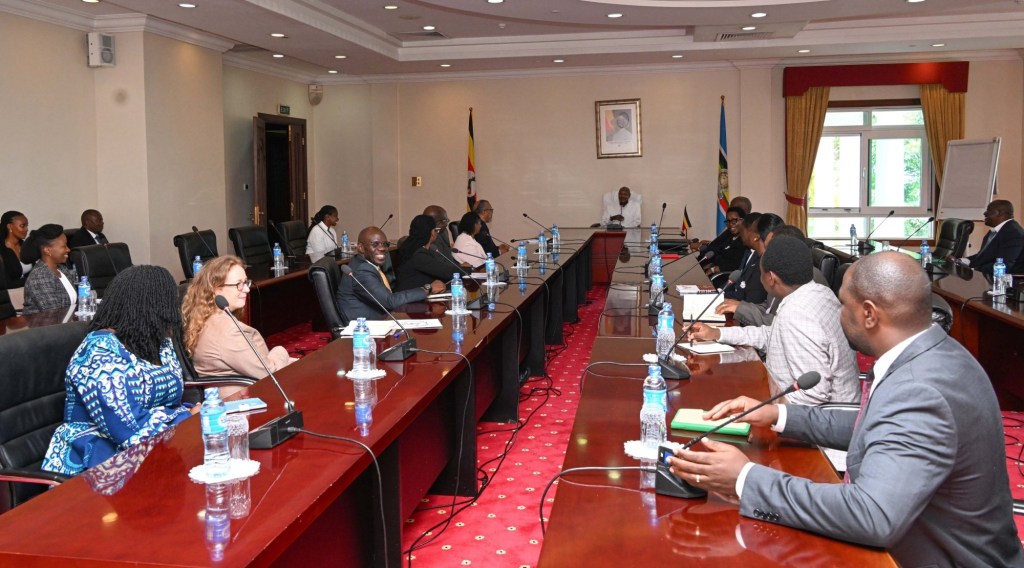
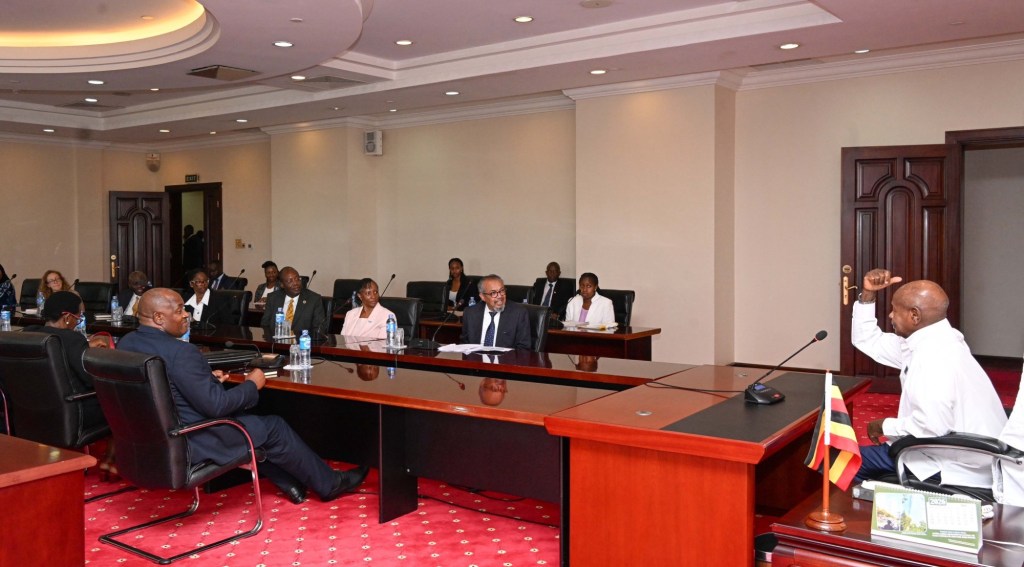
The high-level meeting focused on enhancing public health preparedness, improving surveillance systems, and strengthening cooperation among countries in the region to effectively contain and prevent the spread of Ebola and other infectious diseases.
President Museveni emphasized the critical role of community engagement in combating public health threats, noting that public awareness and grassroots mobilization remain essential tools in disease prevention and control.
“We discussed the Ebola outbreak in the region and the measures needed to strengthen prevention and response efforts. I stressed the importance of community awareness, early detection, and cross-border collaboration,” the President said following the meeting.

Museveni highlighted Uganda’s experience in tackling major health challenges, particularly the country’s successful response to the HIV/AIDS epidemic. He noted that lessons learned from previous public health campaigns continue to guide Uganda’s approach to disease prevention and management.
“Uganda has experience in mobilizing communities to confront public health challenges, as we did during the fight against HIV/AIDS,” he said.
The President further underscored the importance of science-based interventions, strong leadership, and international partnerships in safeguarding public health. He reaffirmed Uganda’s commitment to working closely with the World Health Organization and other development partners to strengthen health systems and improve emergency response capabilities.
Dr. Tedros’ visit comes at a time when countries across the region are intensifying efforts to monitor and contain outbreaks of infectious diseases, including Ebola, through coordinated surveillance, rapid response mechanisms, and public health education.
The World Health Organization has been a key partner in supporting Uganda’s health sector, particularly in disease surveillance, outbreak response, vaccination campaigns, and health system strengthening.
Health experts have repeatedly stressed that regional cooperation is crucial in addressing cross-border health threats, given the movement of people and goods across East and Central Africa. Enhanced information sharing, coordinated screening measures, and joint response strategies have been identified as vital components in preventing future outbreaks.
The meeting reaffirmed the longstanding partnership between Uganda and the WHO and highlighted the shared commitment to protecting lives, strengthening public health systems, and enhancing regional health security.