
Udated by Faith Barbara N Ruhinda at 1338 EAT on Tuesday 30 June 2026
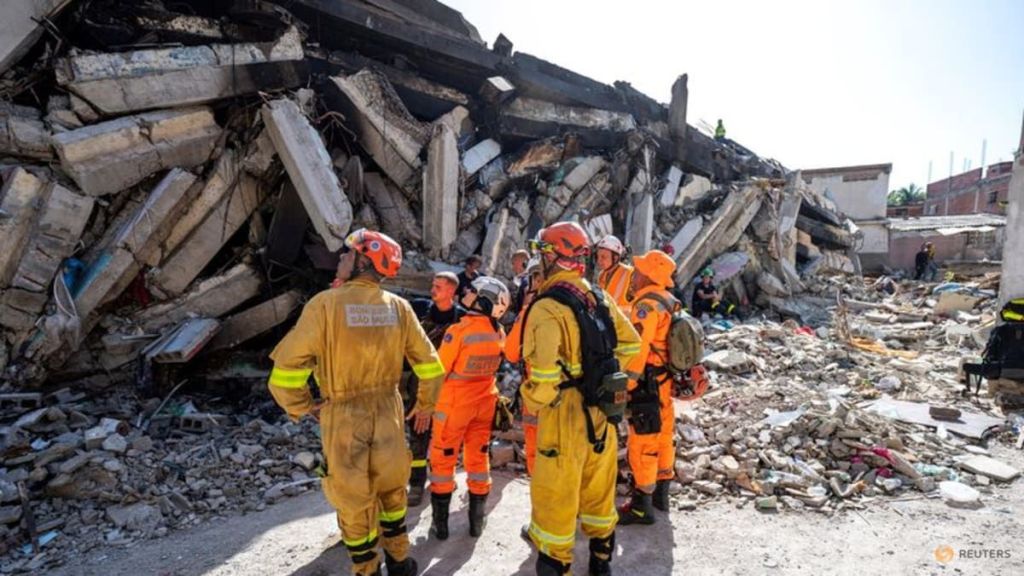
The vehicles on the road come to a standstill. Conversations fade. Even the sound of excavators falls into an uneasy silence.
A rescuer lowers his ear to a narrow hole drilled through a slab of concrete. Another steadies a torch, directing its beam into the darkness below.
They are listening—straining for any faint sound of survivors trapped beneath the rubble of a 12-storey building that once stood beside a busy road in the coastal town of La Guaira.
The structure is among the worst-affected sites after twin earthquakes struck Venezuela last Wednesday, killing at least 1,700 people.
Interim President Delcy Rodríguez has described the earthquakes as the “most brutal natural catastrophe” in Venezuela’s history.


At the edge of the collapsed structure, Miguel Oscar Nunez stands silently, joined by other families who are waiting for news of loved ones believed to be trapped inside. His only child, 34-year-old Ángel, lived in the building.
Moments of anticipation pass, but the rescuers hear nothing. The silence breaks, and work resumes.
“My son, like hundreds of others, is trapped under the rubble. We urgently need more support from the authorities to dig them out,” Miguel Oscar said, anger visible on his face. “It’s possible the earthquake did not kill him, but can you imagine if he dies because of negligence by the authorities?”
Kevin Montilla’s home was also in the building. He was at work when the earthquake struck, but his wife, Luzmary, and 16-year-old daughter, Jhoerliyzmar, were inside at the time.
“The rescue operation started very late and has been very slow. At first, only people from the community came to help. The police arrived only to assess the situation, but did not assist,” the 34-year-old said. “The government’s response has been frustrating and inadequate.”
When we visited the site, rescue teams from Venezuela and Colombia were carrying out operations. Two excavators and a crane were lifting slabs of concrete from the wreckage.
However, families waiting along the roadside said precious days had been lost before the full-scale response began.
“I have not lost hope, but I feel devastated. By nature’s law, a father should die before his son. Imagine if your son dies suddenly,” Miguel said.
The building was one of several within a government-owned complex. Its prominent location may partly explain why it has attracted sustained attention from rescue teams.
Elsewhere in La Guaira state, families say search teams have yet to reach some affected areas.
She believes her daughters were likely at home, though she is also searching elsewhere in case they were outdoors and survived.
“I have no help from anyone. No machines or rescuers have been sent to clear the rubble. It feels like you’ve been left alone to find your loved ones,” she said, tears streaming down her face.
“My daughters were quiet, studious girls. I just want them back, at any cost,” she added.
Everywhere we visited, residents spoke of feeling abandoned by the state.


Along a coastal road, two high-rise apartment blocks in the Bello Horizonte complex have been reduced to rubble. Families and volunteders, wearing masks and rubber gloves, were seen digging through the debris with spades and crowbars.
“The stench is unbearable here, but I’m still trying because I’m looking for my uncle. We can’t just stand by when there’s a chance people are still alive under the rubble,” said William Rodrigues. “Help arrived very late in most places, and in some areas it still hasn’t come.”
Although police were present near the complex, residents said they were not involved in the rescue efforts.
Sixty-year-old Juan Avendo, who lives across the road from Bello Horizonte and also lost his home, said: “We could hear people screaming and shouting under the rubble, so we tried to help ourselves, using our bare hands, clawing through the debris with our nails.”
He and his nephew, Enyer Musics, described how they managed to pull one woman out alive.
“We heard her screaming at night, but it was dark and we couldn’t do anything. The next morning, we went back and tried to find her. First, we were able to pass her a bottle of water, and then we worked to pull her out,” he said.
The first official rescue team—Venezuelan firefighters—arrived on Friday, nearly two days after the earthquake struck. Teams from El Salvador and the United States later joined the operation. A few more survivors were found before the search was called off on Sunday.
Juan estimates that hundreds of people may still be buried beneath the debris.
The full scale of the tragedy may never be known, as some bodies could remain unrecovered.
-BBC
Invest or Donate towards HICGI New Agency Global Media Establishment – Watch video here
Email: editorial@hicginewsagency.com TalkBusiness@hicginewsagency.com WhatsApp +256713137566
Follow us on all social media, type “HICGI News Agency” .

