
Updated by Faith Barbara N Ruhinda at 1441 EAT on Friday 25 September 2026
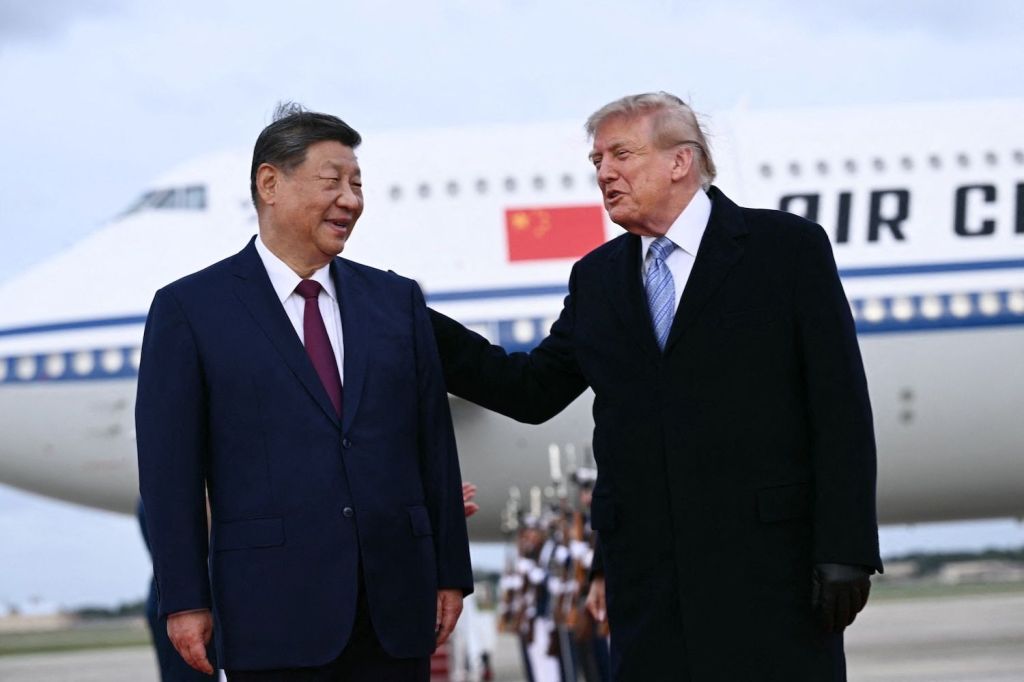
China believes the United States is seeking to contain its rise as a global superpower and wants Washington to stay out of its way, particularly on trade, technology and Taiwan.
On this visit, however, despite Trump rolling out the red carpet for Xi, the Chinese leader did not secure everything Beijing had sought.
The trade truce, under which the two countries paused their tit-for-tat tariff war and avoided further escalation, was extended by only a few months, from November to January.
Beijing had hoped for an extension of at least a year as Xi seeks to navigate the remainder of Trump’s presidency.
This means key disputes over tariffs, China’s dominance of rare-earth supplies and access to advanced US chips have been pushed into another round of negotiations.
The outcome suggests Washington wants Beijing to do more to fulfil its side of the agreement before offering longer-term concessions.
The uncomfortable reality for Xi is that China’s domestic economy is facing significant challenges. While the country is exporting record volumes of goods, consumers at home remain cautious about spending. Youth unemployment remains high, while property prices have fallen sharply in a country where about 80% of people own their homes.
Trade is helping to support economic growth, making access to overseas markets more important than ever. Xi therefore needs to protect China’s exports from the kind of punitive tariffs imposed by the United States last year.
On Taiwan, Xi once again made clear that US arms sales to the island remain a red line for China.
The United States is legally required to provide Taiwan with the means to defend itself.
In May, Xi warned Trump that mishandling the issue could cause the two countries to “collide or even enter into conflict”.
Trump later delayed approval of a $14 billion arms package for Taiwan, describing it as a “very good negotiating chip” in talks with Beijing.
Xi may have used that opening during the talks to argue that restraining US support for Taiwan would help reduce the risk of conflict.
On Thursday, he reiterated his hope that the US would adhere to the “correct position” of opposing Taiwan independence.
However, Trump, who faces bipartisan pressure to maintain US support for Taiwan, has yet to publicly respond to Xi’s comments.


The two leaders also discussed artificial intelligence (AI), although it remains unclear whether they reached any agreement on safeguards.
Attention had focused on whether the meeting would produce concrete decisions on AI, such as an agreement to hold a dedicated summit, following an essay by Anthropic CEO Dario Amodei calling for a slowdown in AI development to improve safety.
The discussion came after a senior AI safety researcher at the company warned that there was a “greater than 10% chance” that AI could lead to human extinction.
However, beyond Xi stressing the importance of ensuring that AI “is always under human control”, few details emerged from the talks.
Trump has recently dismissed concerns about AI posing an existential threat to humanity as a “hoax”.
Xi appears to have found a way to manage one of the world’s most unpredictable leaders. But while Trump speaks of a “truly great friendship”, China’s leader remains focused on a broader goal: securing China’s position alongside the United States as a global superpower.
The pandas, pageantry and warm words may help ease tensions between the two countries. But beneath the spectacle, strategic competition between the world’s two most powerful nations remains intense.
-BBC
Invest or Donate towards HICGI New Agency Global Media Establishment – Watch video here
Email: editorial@hicginewsagency.com TalkBusiness@hicginewsagency.com WhatsApp +256713137566
Follow us on all social media, type “HICGI News Agency” .

