
Updated by Faith Barbara N Ruhinda at 1234 EAT on Thursday 1 October 2026
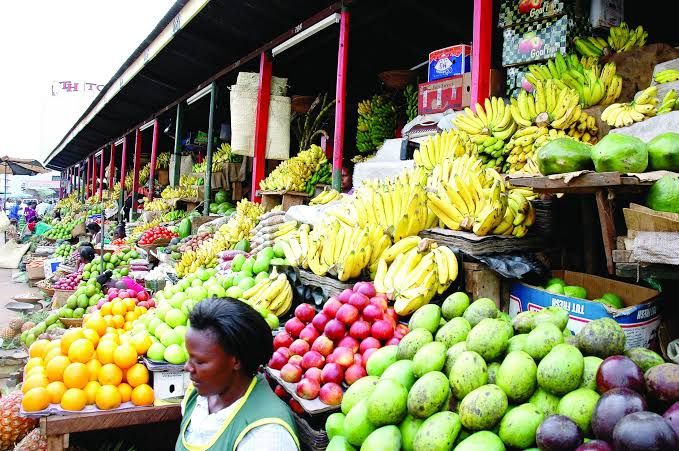
At Kalerwe Market in northern Kampala, Julliet Nakyanzi stands before a pile of dried beans, calculating how much food she can afford for her family.
A few months ago, a kilogramme of yellow beans cost Shs 4,000. Today, the same quantity costs Shs 6,000.
For families struggling to pay rent, utility bills and school fees, the Shs 2,000 increase has made it harder to put enough food on the table.
“The cost of food has become increasingly difficult for families to manage,” Nakyanzi says.
To cope, she now buys smaller amounts of beans and adds more cabbage to the pot to make the sauce last longer and ensure her children have enough to eat.
Nakyanzi’s struggle reflects a wider challenge facing households across urban Uganda. Prolonged dry weather and rising transport costs are pushing up the prices of staple foods such as posho, beans, groundnuts and cooking oil.


As food prices rise, many families are cutting down on portions, reducing protein intake and compromising the quality of their diets.
At the market, Julius Sebyayi watches as customers leave with smaller quantities than they used to buy. He says the recent dry spell affected farms in rural areas, reducing harvests and supplies to urban markets.
“Prolonged sunshine has affected food production, resulting in shortages and higher prices,” Sebyayi says.
The price of groundnuts has risen from Shs 6,500 to as high as Shs 8,000 per kilogramme, while maize flour, commonly known as posho, has increased from Shs 2,000 to Shs 3,000 per kilogramme.
Wheat flour now costs Shs 7,500 per kilogramme, while a box of sachet cooking oil has risen from Shs 80,000 to Shs 90,000.
But climate is not the only factor driving up food prices. The cost of transporting food from Uganda’s farming regions to urban markets has also increased sharply.
For example, transporting produce from Kabale in southwestern Uganda to Kampala previously cost about Shs 20,000. Today, traders say the cost has risen to about Shs 40,000 due to higher fuel prices.
Traders say they have little choice but to pass the increased transport costs on to consumers.
“We are caught in the middle,” says Betty Nakirinya, another groundnut vendor at Kalerwe Market. “Customers who used to buy two kilogrammes are now buying one. Everyone’s purchasing power has gone down.”
As prices rise, some households are replacing meat and other protein-rich foods with cheaper vegetables.
Vegetables, however, have also become more expensive. Crops such as eggplants have been affected by the dry weather, pushing up the prices of vegetables that many families depend on as affordable food options.
What happens next will depend largely on the weather and transport costs.
Nakirinya hopes food prices will ease around November if the rains return and farm production improves.
Sebyayi, however, remains cautious. He warns that without wider economic stability, high food prices could continue.
-Observer
Invest or Donate towards HICGI New Agency Global Media Establishment – Watch video here
Email: editorial@hicginewsagency.com TalkBusiness@hicginewsagency.com WhatsApp +256713137566
Follow us on all social media, type “HICGI News Agency” .

